


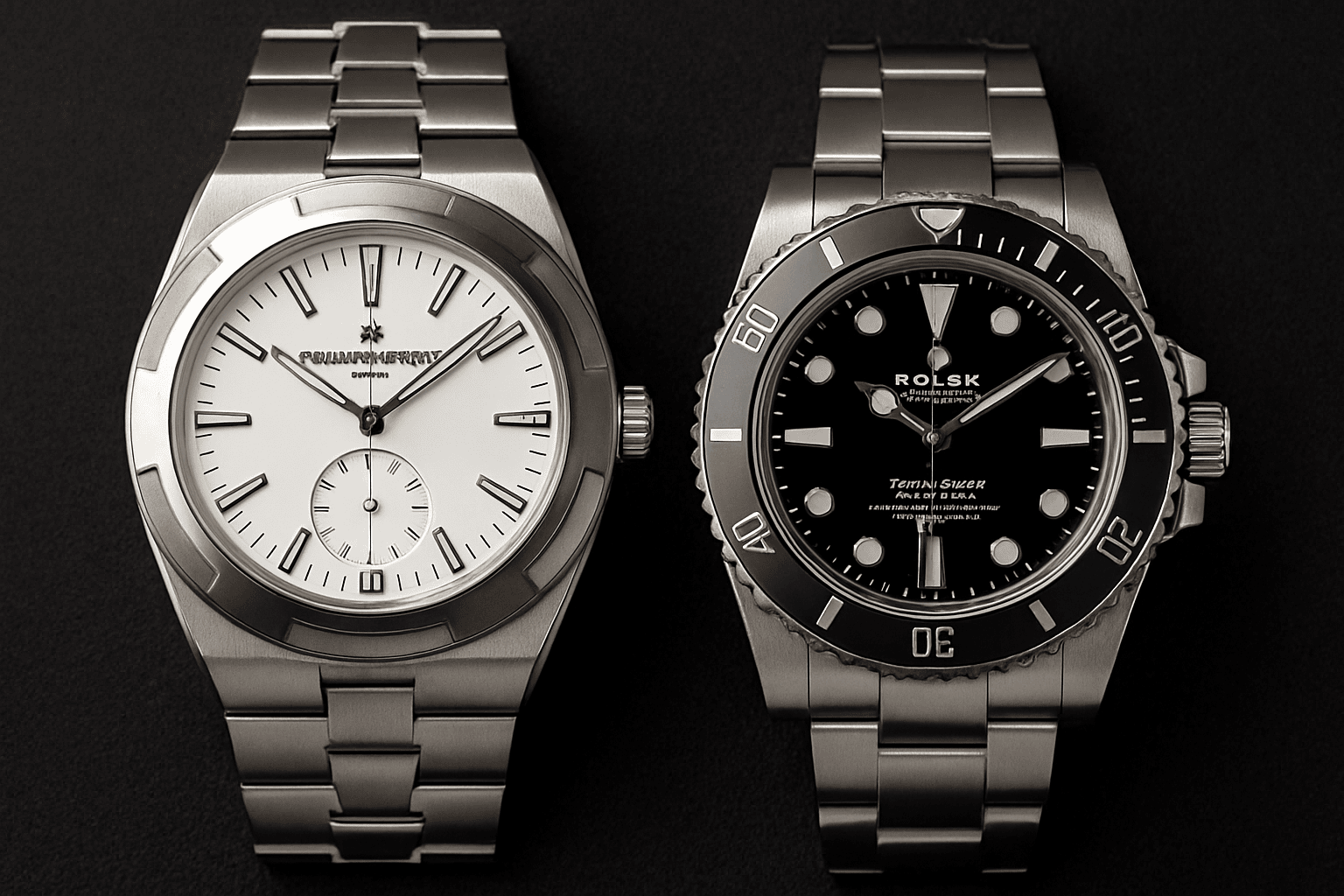

When it comes to the pinnacle of Swiss watchmaking, two names dominate the conversation: Vacheron vs Rolex . One is a global icon — worn by athletes, celebrities, and adventurers. The other is a quiet masterpiece — cherished by connoisseurs, royalty, and collectors who value heritage over hype.
But if you’re standing at the crossroads of luxury, asking yourself “Is Vacheron Constantin better than Rolex?” — the answer isn’t simple. It depends on what you value: iconic reliability or handcrafted rarity? Mass prestige or intimate perfection?
Vacheron Constantin vs Rolex: A Head-to-Head Comparison
Vacheron Constantin and Rolex represent two very different pillars of luxury watchmaking. One is rooted in centuries-old haute horology, while the other is built on unmatched durability and global prestige. This head-to-head comparison reveals how these iconic luxury watch brands differ in craftsmanship, design philosophy, innovation, and value—helping you decide which timepiece truly aligns with your style and expectations.
Movement: Precision vs. Innovation
Vacheron Constantin
Founded in 1755, Vacheron Constantin is the oldest continuously operating watch manufacturer in the world. Its movements are the stuff of horological poetry. The brand is renowned for its in-house calibers like the Calibre 2755 (used in the Patrimony) and the Calibre 1003 — the thinnest mechanical movement ever produced, at just 1.64mm thick. Vacheron doesn’t just build movements; it sculpts them. Every component is hand-finished to the highest standard: perlage, Côtes de Genève, chamfered bridges, and blued screws are meticulously applied by master watchmakers. Many of its movements are certified to the Hallmark of Geneva, one of the most stringent quality standards in the industry.
Rolex
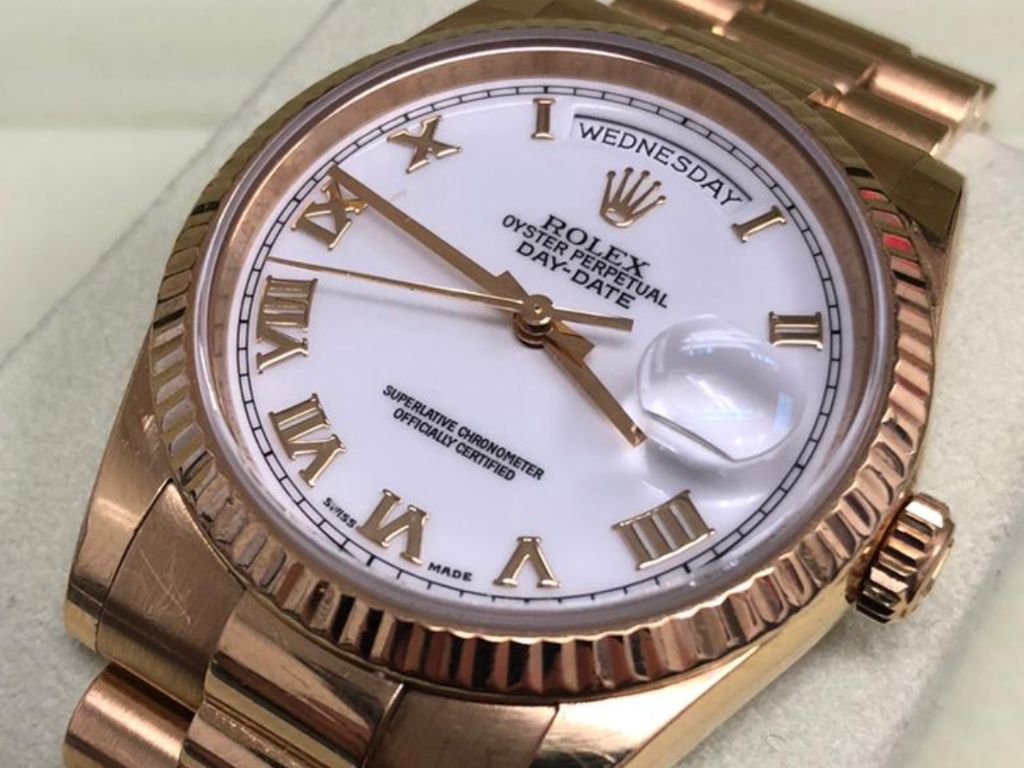
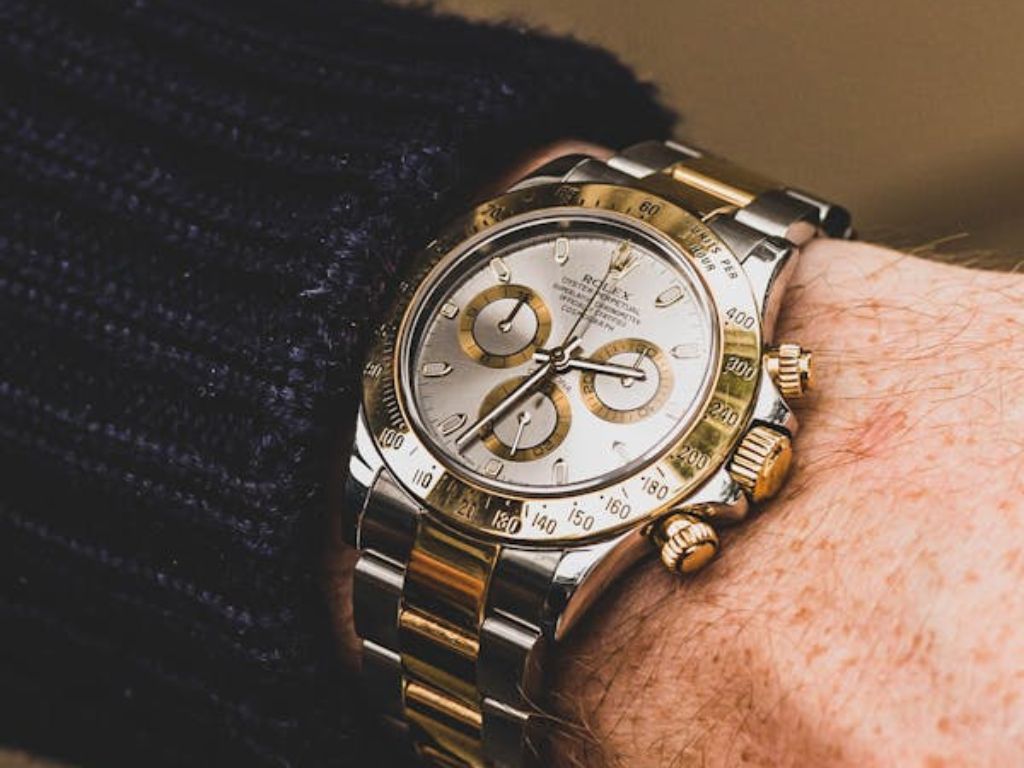
Rolex watches, founded in 1905, prioritizes robustness, reliability, and mass-produced excellence. Its movements — such as the Calibre 3235 in the Datejust or the Calibre 4130 in the Daytona — are engineering marvels of durability and precision. Rolex’s proprietary Chronergy escapement and Parachrom hairspring deliver exceptional resistance to magnetism and shocks. While Rolex movements are not hand-finished to the same decorative level as Vacheron’s, they are assembled and tested with military-grade rigor. Every Rolex movement is certified as a Superlative Chronometer, with an accuracy of -2/+2 seconds per day — tighter than COSC standards.
Design: Timeless Elegance vs. Iconic Boldness
Vacheron Constantin
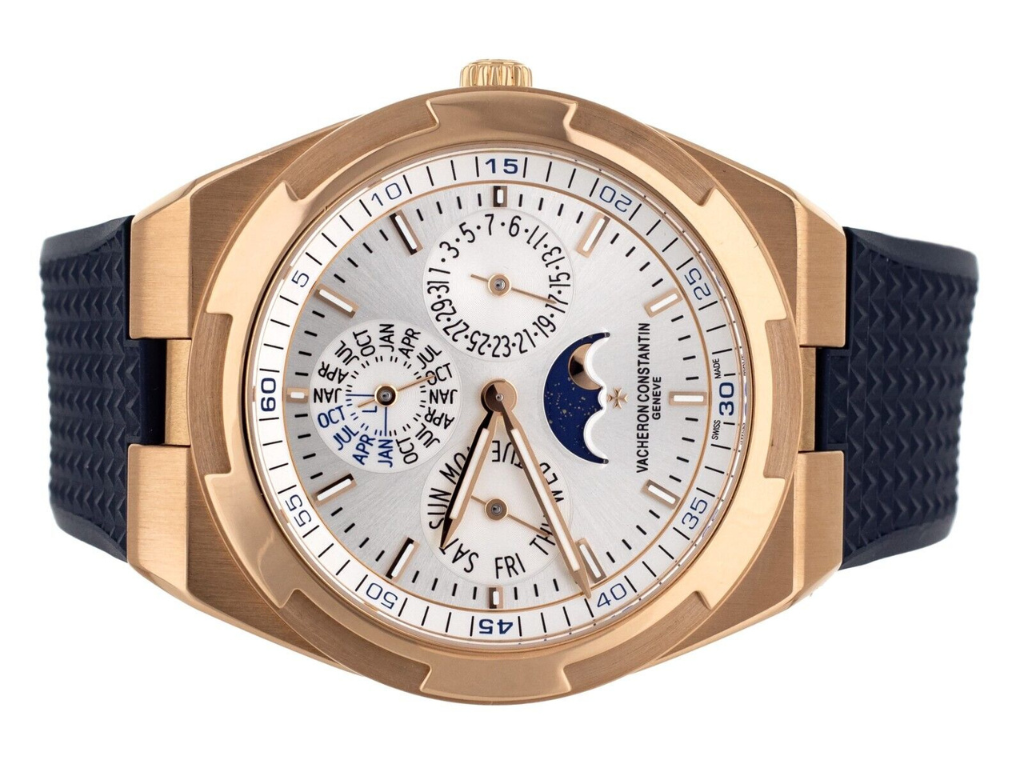
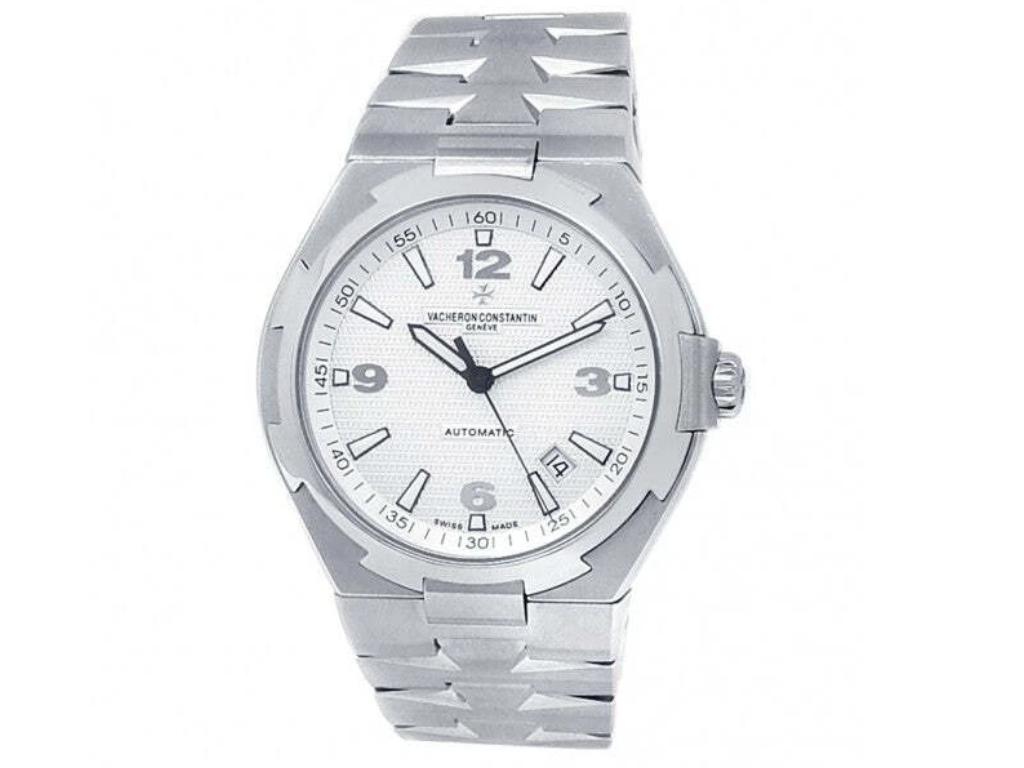
Vacheron’s design language is rooted in classical elegance. Think clean dials, dauphine hands, and cases that whisper rather than shout. The Patrimony series is a masterclass in minimalism, while the Overseas blends sporty functionality with refined aesthetics. Even its most complicated timepieces — like the Grand Complication or Tour de I’lle — exude restrained sophistication. Vacheron understands that luxury lies in subtlety. Its designs are meant to be appreciated by connoisseurs, not just admired from afar.
Rolex
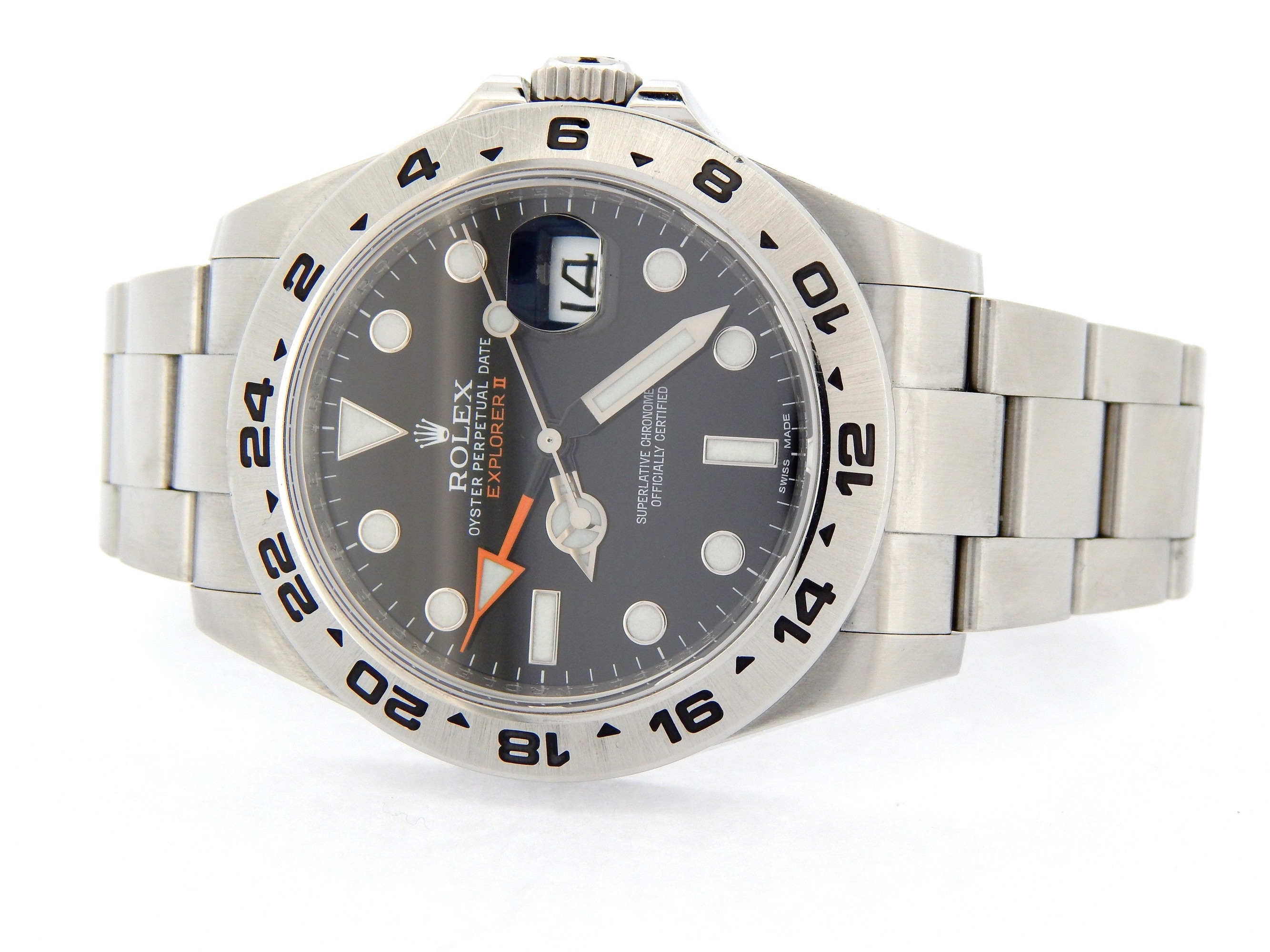
Rolex, by contrast, is about unmistakable presence. The Submariner, Daytona, Explorer, and Datejust are global rolex symbols — instantly recognizable, even to those who know nothing about watches. Rolex’s design philosophy is functional boldness: oversized crown guards, chunky bezels, and highly legible dials. It’s not about hidden beauty; it’s about enduring, iconic identity. A Rolex doesn’t need a label — you know it the moment you see it.
Craftsmanship: Artisanal Mastery vs. Industrial Excellence
Vacheron Constantin
Vacheron operates like a centuries-old atelier. Each watch is assembled by a single master watchmaker from start to finish — a tradition known as “la grande complication”. The brand’s “Les Cabinotiers” division offers bespoke, one-of-a-kind pieces that can take over a year to complete. The level of hand-finishing, engraving, and guilloché work is unparalleled. In 2020, Vacheron released the Reference 57260, a pocket watch with 57 complications — the most complicated mechanical watch ever made. This isn’t mass production; it’s horological art.
Rolex
Rolex’s manufacturing is a marvel of vertical integration. It produces its own gold, alloys, movements, dials, and rolex bracelets — all under one roof in Switzerland. Its factories are among the most advanced in the industry, with robotics and AI-assisted quality control. While hand-finishing is limited compared to Vacheron, Rolex’s consistency, durability, and attention to detail are legendary. A Rolex is built to last generations — and often does.
This same uncompromising build quality extends across the brand’s more affordable Rolex models as well, proving that even entry level Rolex watches deliver the reliability, precision, and long-term value the name is known for.
Price: The Value Equation
| Model | Vacheron Constantin | Rolex |
|---|---|---|
| Entry-Level (e.g., Patrimony 42) | $15,000 – $25,000 | $7,500 – $10,000 (Datejust 41) |
| Mid-Range (e.g., Overseas Chronograph) | $25,000 – $45,000 | $15,000 – $25,000 (Daytona) |
| High Complication (e.g., Tour de I’lle) | $250,000+ | $100,000+ (Sky-Dweller) |
| Resale Value | Strong, but niche | Exceptional — often exceeds retail |
Rolex holds its value better than almost any other brand on earth. A pre-owned Daytona or Submariner frequently sells for 20–100% above retail. Vacheron Constantin holds value well among collectors, but its market is smaller and more specialized. If you’re buying as an investment, Rolex is the safer bet. If you’re buying for appreciation of artistry, Vacheron delivers a deeper emotional return.
Is Vacheron Constantin Better Than Rolex?
The short answer: It depends on what you value.
If “better” means more prestigious, more exclusive, more artistically refined, and more technically daring in haute horlogerie — then yes, Vacheron Constantin is better. It’s the watchmaker’s watchmaker. Its heritage is deeper, its craftsmanship more intimate, and its designs more nuanced. For collectors who seek the quietest form of luxurywatches for men, Vacheron is the undisputed king.
But if “better” means more reliable, more widely recognized, more accessible, and a better long-term financial investment — then Rolex wins decisively. It’s the Rolex that gets you into exclusive clubs, the Rolex that your colleagues notice, the Rolex that your children will inherit and still be proud to wear.
The truth? They’re not competitors — they’re different species.
Vacheron Constantin is the symphony.
Rolex is the anthem.
You don’t choose one because it’s “better.” You choose it because it speaks to you.
| If you want | Choose |
|---|---|
| Universal recognition & strong resale | Rolex |
| Daily reliability & rugged elegance | Rolex |
| Horological artistry & hand-finishing | Vacheron Constantin |
| Exclusivity & quiet luxury | Vacheron Constantin |
| High complications & legacy craftsmanship | Vacheron Constantin |
| Easier access & shorter waitlists | Rolex |
Final Verdict:
- Rolex is the king of reach, reputation, and resilience.
It’s the safe, smart, and stylish choice for most collectors. - Vacheron Constantin is the emperor of refinement, rarity, and tradition.
It’s for those who see watches not as accessories — but as heirlooms.
So, is Vacheron Constantin better than Rolex?
Not objectively. But for connoisseurs, yes — in terms of craftsmanship, history, and emotional depth.
Final Thoughts: One Legacy. Two Philosophies.
At the end of the day, both Vacheron Constantin and Rolex represent the pinnacle of Swiss watchmaking — just from different angles.
- Rolex says: “I’ve arrived.”
- Vacheron Constantin whispers: “I always belonged.”
Choosing between them isn’t about which brand is “better.”
It’s about who you are — and who you want to become.
Frequently Asked Questions (FAQ)
Q: Is Vacheron Constantin more exclusive than Rolex?
A: Absolutely. With only ~30,000 watches made annually (vs. ~1 million for Rolex), Vacheron is far rarer and harder to acquire.
Q: Does Vacheron hold its value like Rolex?
A: Simple models may depreciate slightly, but complicated and limited editions often appreciate significantly — sometimes into seven figures.
Q: Why is Vacheron Constantin so expensive?
A: Hand-finishing, low production, historical significance, and Geneva Seal certification all drive up cost — especially for high-complication pieces.
Q: Can I buy a Vacheron Constantin without a waiting list?
A: Unlike Rolex, Vacheron has less demand pressure — but authorized dealers still prioritize established clients. Pre-owned markets offer faster access.
Q: What’s the cheapest Vacheron Constantin watch?
A: The Patrimony Manual Wind 36mm starts at around $18,500, making it the most accessible entry point.
Ready to Own a Watch That Speaks to the Few, Not the Many?
If you’re drawn to the artistry, heritage, and quiet confidence of Vacheron Constantin — or want to compare it firsthand with a Rolex — explore our curated collection of certified pre-owned and new luxury timepieces.
At TimeLuxury Watches, every Vacheron is fully authenticated,b acked by original papers & warranty and inspected by master watchmakers.
Because true luxury isn’t about being seen.
It’s about being understood.
Leave a Comment