


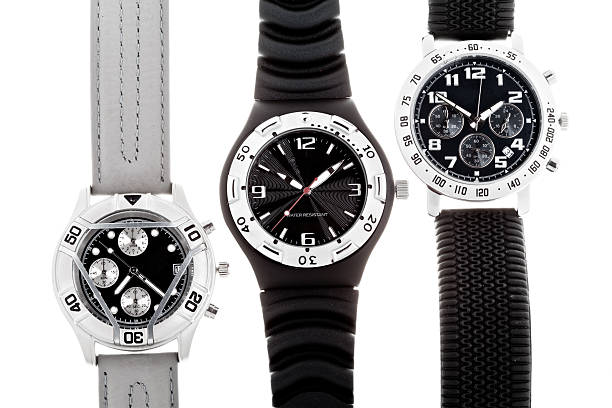

When shopping for a luxury timepiece — whether it’s a Rolex Submariner, Patek Philippe Calatrava, or an Audemars Piguet Royal Oak — one of the most overlooked yet critical decisions is case diameter.
Gone are the days when “bigger is always better.” Today’s discerning watch collectors understand that case size directly influences wearability, aesthetics, and even resale value. From the elegant 36mm dress watches of the 1960s to today’s bold 44mm sports models, the evolution of case diameters reflects shifting cultural trends, wrist anatomy, and horological innovation.
In this definitive guide, we break down the luxury watch case diameter spectrum — from 36mm to 44mm — helping you choose the perfect size for your wrist, lifestyle, and personal style.
The Evolution of Watch Case Sizes: From Classic to Contemporary
The Golden Age: 34mm–38mm (1950s–1990s)
During the mid-20th century, most luxury watches were designed with modest proportions. The iconic Rolex Oyster Perpetual 36mm, Jaeger-LeCoultre Reverso 34mm, and Omega Seamaster 36mm defined elegance for generations.
These sizes were tailored to the average male wrist (around 6.5–7 inches) and reflected a time when watches were seen as refined accessories — not statement pieces.
Fun Fact: The original 1957 Rolex Submariner had a 37mm case — now considered “small” by modern standards, but still highly coveted by vintage collectors.
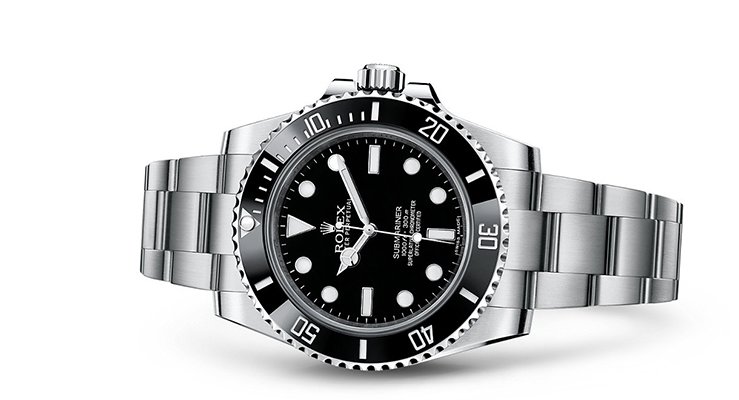
The Big Watch Era: 40mm–42mm (2000s–2010s)
As sporty, masculine aesthetics dominated fashion, luxury brands responded. The Rolex Datejust 41mm (2016) and Omega Seamaster 300M 42mm became industry standards.
This shift wasn’t just about looks — it was driven by:
- Improved movement miniaturization
- Enhanced legibility for active lifestyles
- Marketing targeting younger, confident consumers
The Modern Spectrum: 36mm–44mm (2020s–2025)
Today, luxury watchmakers offer unprecedented variety. The market has split into three distinct segments:
| Segment | Diameter Range | Target Audience |
|---|---|---|
| Classic/Elegant | 36mm–38mm | Vintage lovers, women, petite wrists, minimalist style |
| Standard/Modern | 40mm–42mm | Most men, everyday wear, balanced proportions |
| Bold/Statement | 43mm–44mm | Sports enthusiasts, collectors, trend-forward wearers |
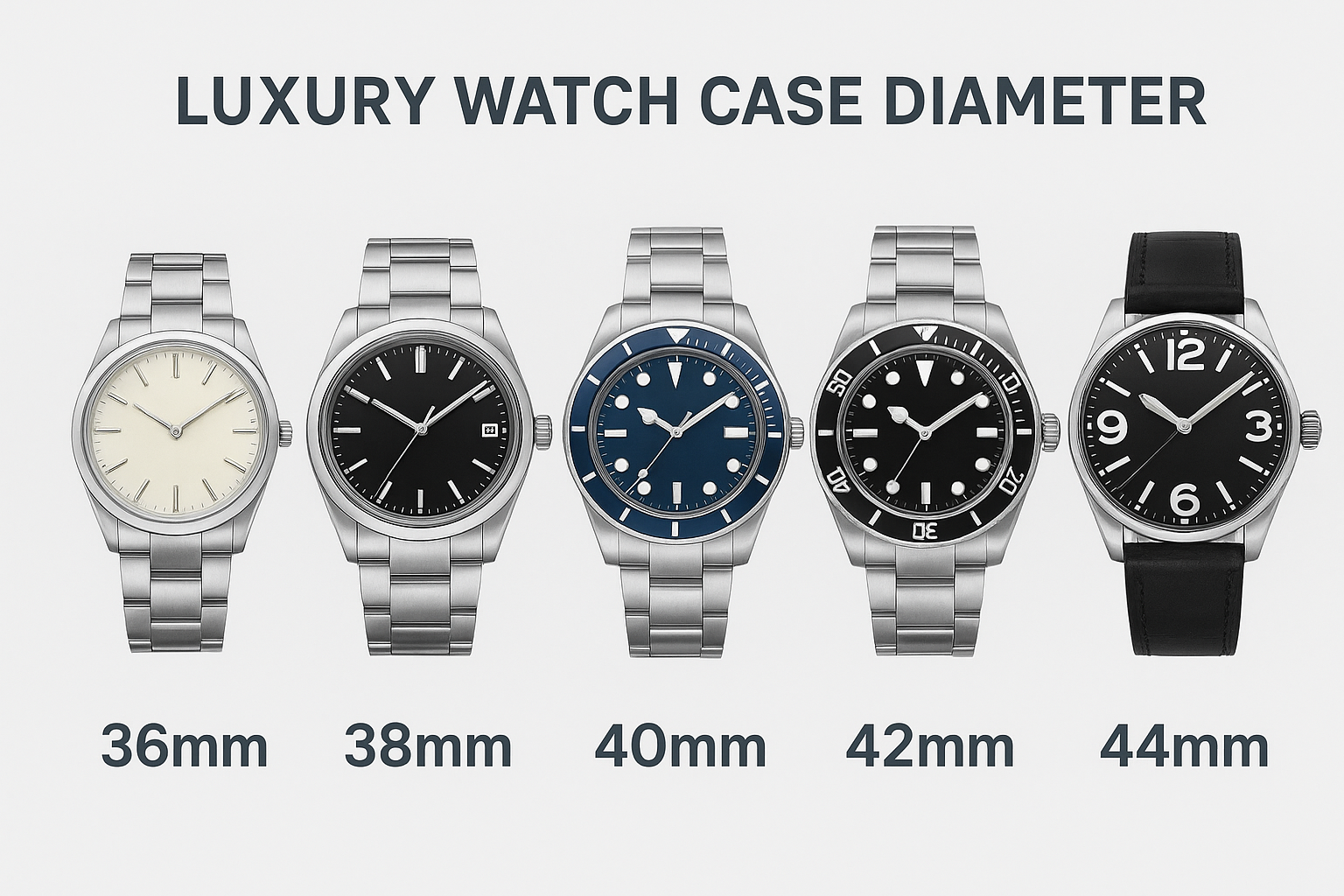
Choosing the Right Size: 36mm, 38mm, 40mm, 42mm, 44mm — What’s Best for You?
36mm – The Timeless Classic
Best for: Women, petite wrists (under 6.5″), vintage purists, dress watch enthusiasts
Iconic Models:
- Rolex Cellini 36mm
- Patek Philippe Calatrava 36mm
- Jaeger-LeCoultre Master Ultra Thin 36mm
Why It Works:
- Sleek, understated elegance
- Perfect for formal attire
- High resale value among vintage collectors
- Often overlooked — meaning you’ll stand out for the right reasons
Pro Tip: A 36mm watch on a 7.5”+ wrist may look dainty — but many modern collectors embrace this “understated luxury” look.
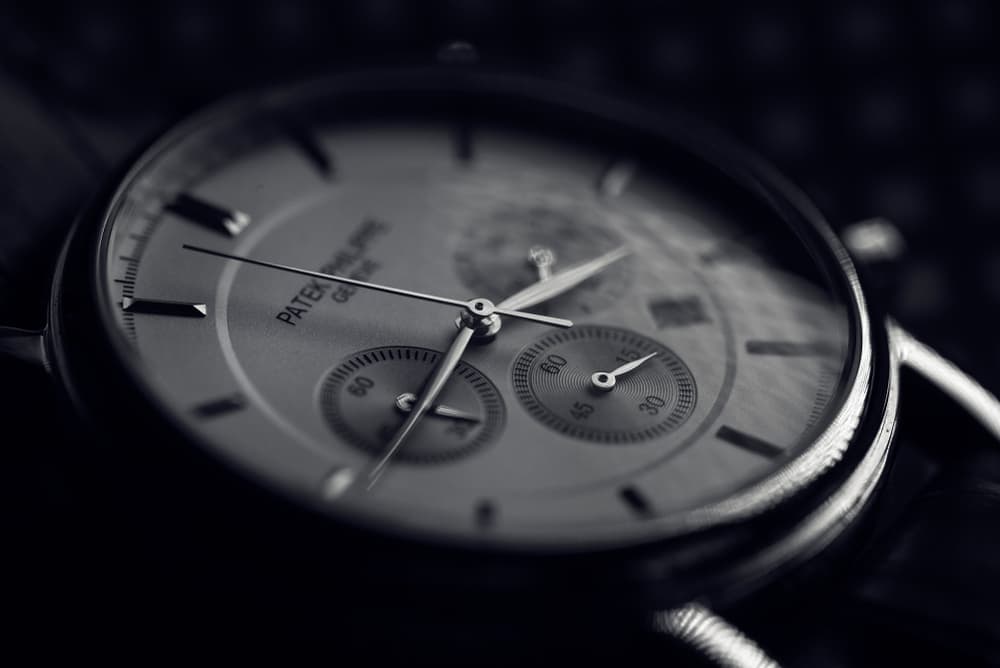
38mm – The Sweet Spot for Modern Classics
Best for: Those who want vintage charm with contemporary comfort
Iconic Models:
- Rolex Oyster Perpetual 38mm
- Omega Speedmaster 38mm (reissued)
- IWC Portugieser 38mm
Why It Works:
- Bridges the gap between classic and modern
- Fits most wrists (6.5”–7.5”) comfortably
- Often features the same movements as larger models — just in a more wearable package
40mm – The New Standard for Everyday Luxury
Best for: The majority of men with average to slightly larger wrists (7”–7.75”)
Iconic Models:
- Rolex Datejust 41mm (often called “40mm class”)
- Audemars Piguet Royal Oak 40mm
- Patek Philippe Aquanaut 40mm
Why It Works:
- Ideal balance of presence and wearability
- Officially adopted as the new “normal” by most luxury brands
- Holds value exceptionally well on the secondary market
Data Point: 68% of all new luxury watch purchases in 2024 were in the 40mm–42mm range (Bain & Company Watch Report)
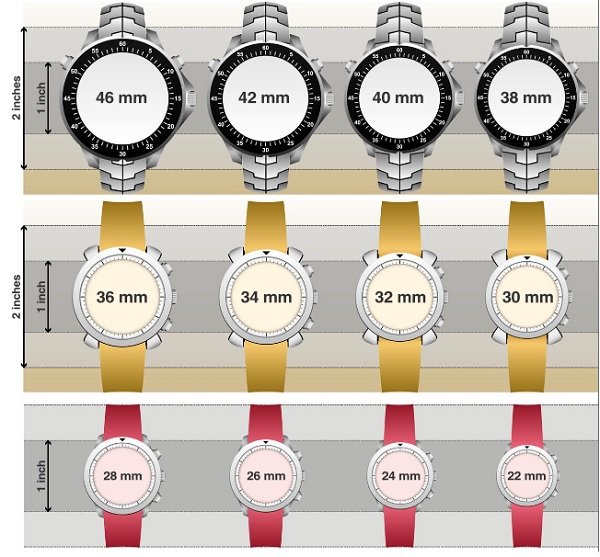
42mm – The Sporty Powerhouse
Best for: Active lifestyles, larger wrists (7.5”+), fans of bold design
Iconic Models:
- Rolex Submariner 41mm (marketed as 42mm equivalent)
- Omega Seamaster Diver 300M 42mm
- TAG Heuer Carrera 42mm
Why It Works:
- Enhanced legibility and water resistance
- Bold aesthetic that commands attention
- Often equipped with advanced movements and materials
Caution: If your wrist is under 7”, a 42mm watch can overwhelm — test before you buy!
43mm–44mm – The Ultimate Statement
Best for: Collectors, athletes, trendsetters, and those who love “big watch energy”
Iconic Models:
- Rolex Daytona 40mm (but the new ceramic version feels larger)
- Hublot Big Bang 44mm
- Richard Mille RM 011 44mm
- Bell & Ross BR 03-92 44mm
Why It Works:
- Maximum visibility and impact
- Often features avant-garde materials (carbon fiber, titanium, ceramic)
- Designed for extreme sports or high-profile lifestyles
Note: 44mm is no longer just for “men’s watches.” Many women with larger wrists (7.8”+) now embrace 44mm as a power statement piece.
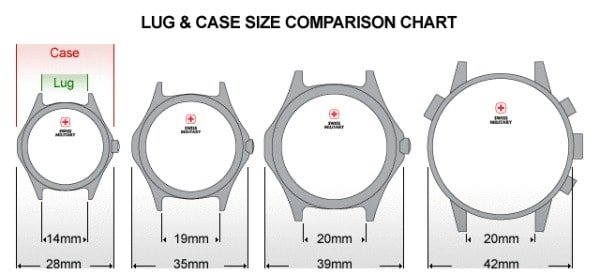
How to Measure Your Wrist for the Perfect Fit (Step-by-Step)
- Use a soft tape measure around the widest part of your wrist (just below the bone).
- Record your measurement in inches or millimeters.
- Match to our guide:
- Under 6.5” (165mm) → 36mm–38mm
- 6.5”–7.25” (165–185mm) → 38mm–40mm
- 7.25”–7.75” (185–197mm) → 40mm–42mm
- Over 7.75” (197mm) → 42mm–44mm
Bonus Tip: Try on watches in person. A 40mm watch on a bracelet feels different than on a strap. Lugs, curvature, and thickness matter just as much as diameter.
The Rise of “Unisex” Luxury Watches: Breaking Gender Norms
The traditional “men’s 40mm+ / women’s 34mm–36mm” divide is fading fast.
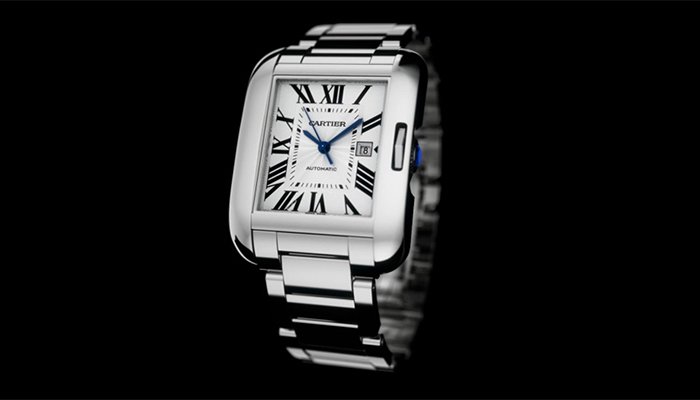
Luxury brands like Cartier (Tank Solo 32mm), Vacheron Constantin (Patrimony 36mm), and Breitling (Navitimer 36mm) now market their 36mm–38mm models as unisex — and consumers are responding.
“I wear a 38mm Rolex Datejust. It’s not ‘small’ — it’s perfectly balanced.” — Marcus T., Watch Collector, NYC
2025 Trend Alert: “Unisex luxury watches 36mm–38mm” is now one of the fastest-growing search terms on Google — up 142% since 2022.
Case Diameter vs. Resale Value: What Collectors Really Want
Contrary to popular belief, larger isn’t always more valuable.
- Vintage 36mm Rolex Submariners regularly sell for $20K+ — often more than modern 41mm versions.
- Patek Philippe Calatrava 36mm from the 1970s fetches premium prices at auction.
- Limited edition 44mm Richard Milles command high prices due to rarity — but standard 42mm Rolex Daytonas remain the most liquid assets.
Final Verdict: What’s the Best Luxury Watch Case Diameter?
There’s no single “best” size — only the best size for YOU.
| Your Style | Recommended Diameter |
|---|---|
| Classic Elegance | 36mm–38mm |
| Modern Everyday | 40mm |
| Sporty & Bold | 42mm |
| Statement Collector | 43mm–44mm |
Pro Recommendation for First-Time Buyers: Start with a 40mm watch. It’s the most versatile, widely accepted, and future-proof size in today’s luxury market.
Frequently Asked Questions (FAQs)
1. Is a 36mm watch too small for a man?
Not at all. Many men with 7” wrists prefer 36mm–38mm for its refined elegance. Vintage-inspired 36mm watches are experiencing a major resurgence.
2. Is 44mm too big for a watch?
Only if it doesn’t fit your wrist. 44mm works for large wrists and bold personalities — but can look bulky on smaller frames. Always try before you buy.
3. Do luxury brands still make 36mm watches?
Yes! Rolex, Patek, Jaeger-LeCoultre, and Vacheron Constantin all offer 36mm models — often as limited or heritage editions.
4. Will a 42mm watch look good on a 7” wrist?
Yes — and it’s one of the most popular sizes for that wrist size. Just ensure the lugs aren’t overly wide.
Ready to Find Your Perfect Luxury Watch?
Whether you’re drawn to the timeless grace of a 36mm dress watch or the adrenaline-fueled presence of a 44mm sports chronograph, the right case diameter elevates your watch from an accessory to an extension of your identity.
Ready to find the perfect watch size for your style? Explore premium pre-owned luxury watches for men and women watches curated just for you.
Shop smarter. Shop timeless. Visit TimeLuxury today.
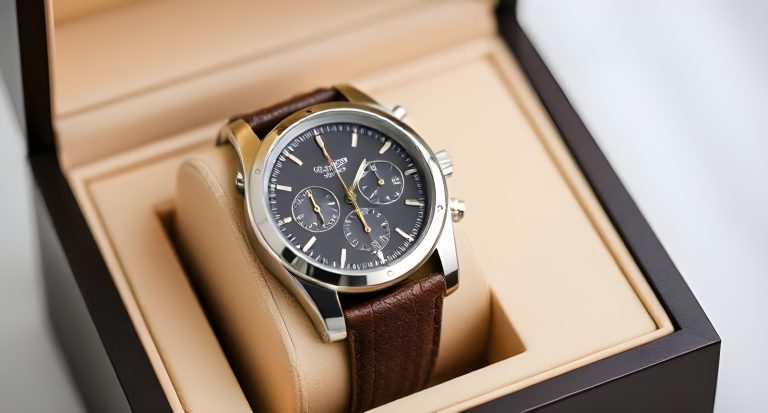
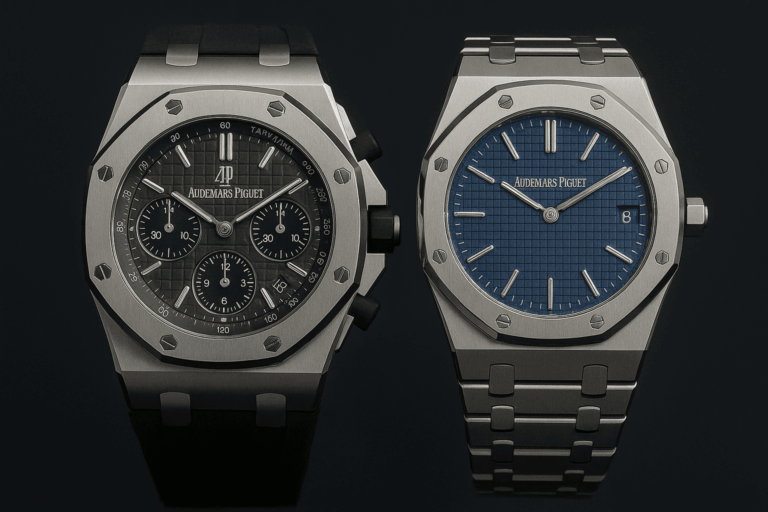
Watch case diameter really makes a big difference in how a watch feels on the wrist.