


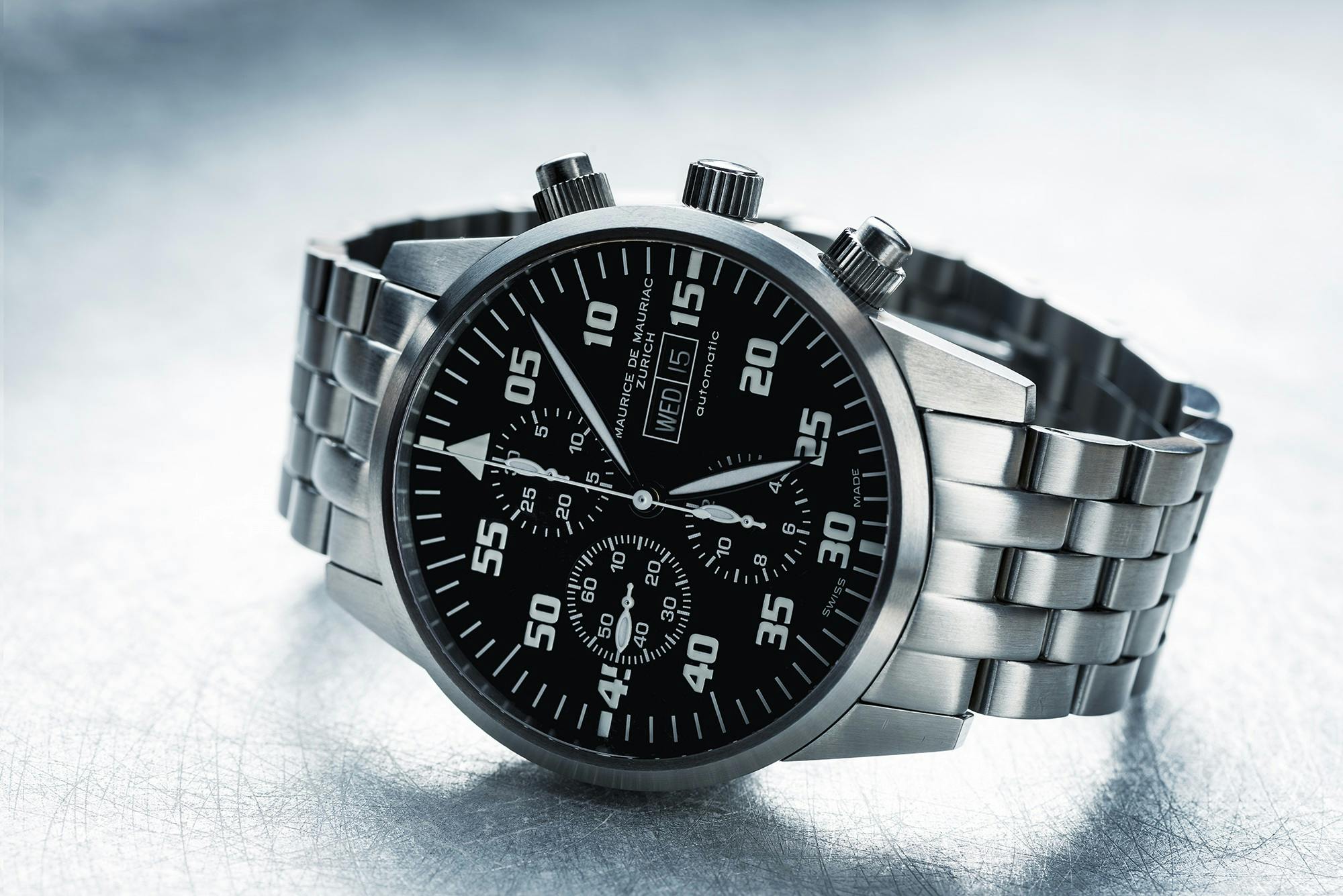

If you’ve ever glanced at a chronograph watch—especially a sporty or racing-inspired model—you may have noticed a set of numbers engraved around the bezel or just inside the dial. These numbers usually start at “60” or “100” and decrease as they go around the edge. This scale isn’t just decorative—it’s called a tachymeter, and it’s a clever analog tool that turns your watch into a speed calculator.
But what exactly is a tachymeter on a watch? How do you use it? And is it worth paying more for a tachymeter-equipped timepiece? In this beginner’s guide, we’ll break down everything you need to know about the tachymeter, from its meaning and function to practical usage tips and pricing considerations.
Tachymeter Meaning: What Is It?
At its core, a tachymeter is a scale used to measure speed based on travel time over a known distance. It’s typically found on chronograph (stopwatch) watches and works in conjunction with the seconds hand to calculate units per hour—most commonly kilometers per hour (km/h) or miles per hour (mph).
The tachymeter scale is calibrated using the formula:
Tachymeter Value = 3600 / Elapsed Time in Seconds
Since there are 3600 seconds in an hour, the scale essentially converts a time measurement (in seconds) into a rate per hour.
Most tachymeter scales are valid for events that last between 7 and 60 seconds—the reason being that measurements outside this range become either too imprecise or exceed the scale’s limits.
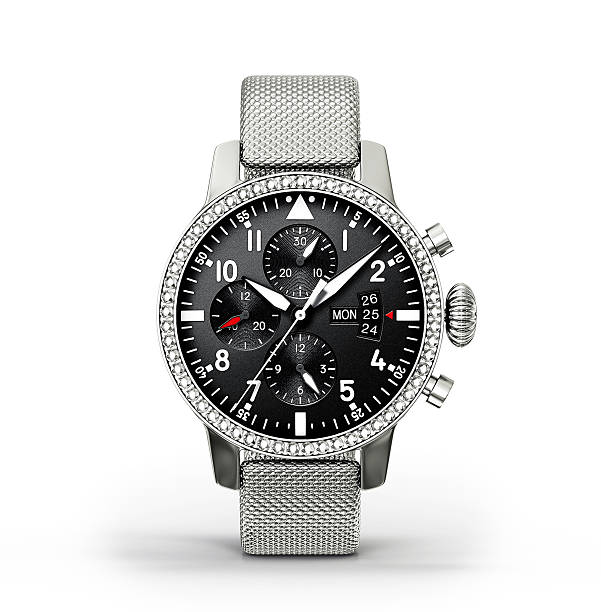
How to Use a Tachymeter Watch: Step-by-Step
Using a tachymeter is simpler than it sounds. Here’s how it works in practice:
Example 1: Measuring Speed
Let’s say you’re driving and want to know your speed over a 1-kilometer stretch.
- Start the chronograph the moment you pass the starting point (e.g., a signpost marked “0 km”).
- Stop the chronograph exactly when you pass the “1 km” mark.
- Look at where the chronograph’s seconds hand is pointing on the tachymeter scale.
- If it stopped at “120,” your average speed was 120 km/h.
- If it stopped at “80,” you were traveling at 80 km/h.
Note: The distance must be exactly 1 unit (1 km, 1 mile, etc.). If you measure over a different distance, you’ll need to adjust the result mathematically.
Example 2: Measuring Production Rate
Tachymeters aren’t just for speed—they can measure any rate per hour.
Imagine a factory that produces one widget every 20 seconds.
- Start the chronograph when a widget begins production.
- Stop it when the widget is complete (at 20 seconds).
- The tachymeter will point to “180”—meaning 180 widgets per hour.
This versatility made tachymeters popular not just with race car drivers, but also with engineers, pilots, and factory managers in the pre-digital era.
Types of Tachymeter Scales
Not all tachymeters look the same. You’ll typically encounter two main types:
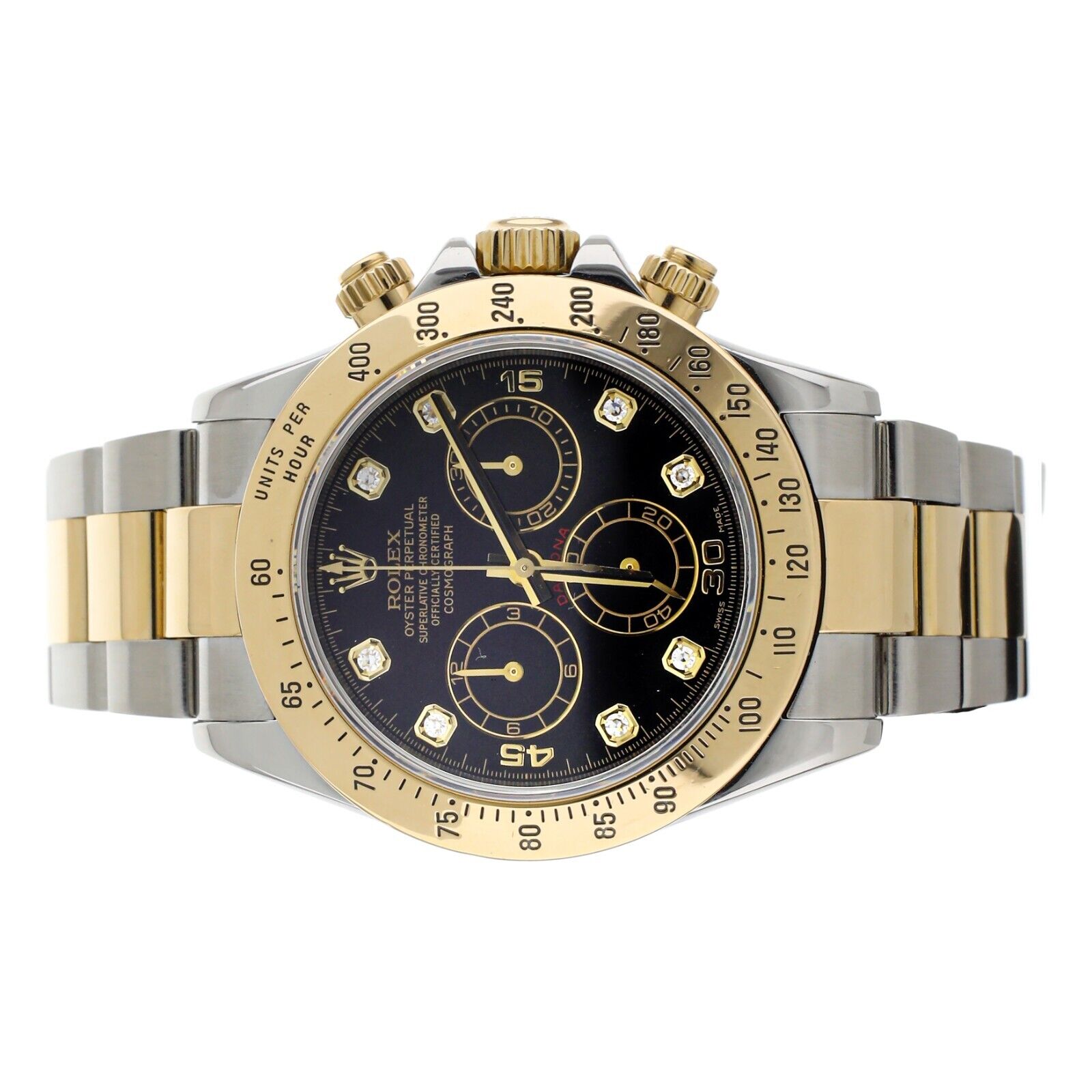
- Fixed Tachymeter Bezel
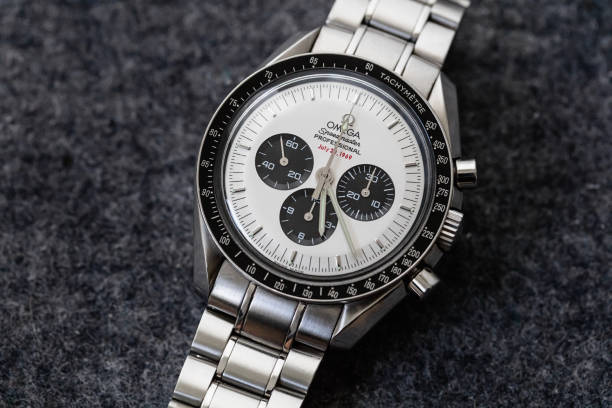
Found on iconic models like the Rolex Daytona or Omega Speedmaster, this is a permanent scale engraved on the outer rim of the watch. It’s durable and classic but not adjustable. - Rotatable Tachymeter Bezel
Less common, but some watches (like certain TAG Heuer models) feature a rotating watch bezel that allows for more complex calculations or timing offsets.
Most modern tachymeters are fixed for simplicity and legibility.
Tachymeter Watch Price: What to Expect
The price of a tachymeter watch varies widely based on watch brand, movement, strap materials, and heritage.
- Entry-Level (Under $500):
Brands like Seiko, Citizen, and Casio offer reliable quartz or automatic chronographs with tachymeter scales. Examples include the Seiko 5 Sports Speedtimer or Casio Edifice. - Mid-Range ($500 – $5,000):
Swiss-made options like Tissot PRX Chronograph, Hamilton Intra-Matic Auto Chrono, or Longines Conquest provide excellent craftsmanship and mechanical movements. - Luxury ($5,000+):
Iconic chronographs like the Rolex Cosmograph Daytona, Omega Speedmaster Racing, or TAG Heuer Carrera blend performance, prestige, and history. Prices can range from $10,000 to well over $100,000 for rare models.
Is a Tachymeter Useful Today?
In the age of GPS and smartphones, the tachymeter is more aesthetic and nostalgic than practical for most people. However, it remains a beloved feature among watch enthusiasts for several reasons:
- It showcases mechanical ingenuity—calculating speed without batteries or signals.
- It adds visual dynamism and motorsport heritage to a watch’s design.
- It’s a conversation starter and a nod to horological history.
For racing fans or collectors, a tachymeter isn’t just a scale—it’s a symbol of precision, speed, and engineering excellence.
Final Thoughts
So, what is the tachymeter on a watch? It’s a functional scale that transforms your timepiece into a real-time calculator for speed or frequency. While modern technology has reduced its everyday utility, the tachymeter remains a hallmark of classic chronograph design and mechanical cleverness.
Whether you’re drawn to it for its utility, its racing legacy, or its sleek look, understanding how to use a tachymeter adds a new layer of appreciation to your watch—making every glance at your wrist not just about telling time, but measuring the pace of life itself.
Leave a Comment