


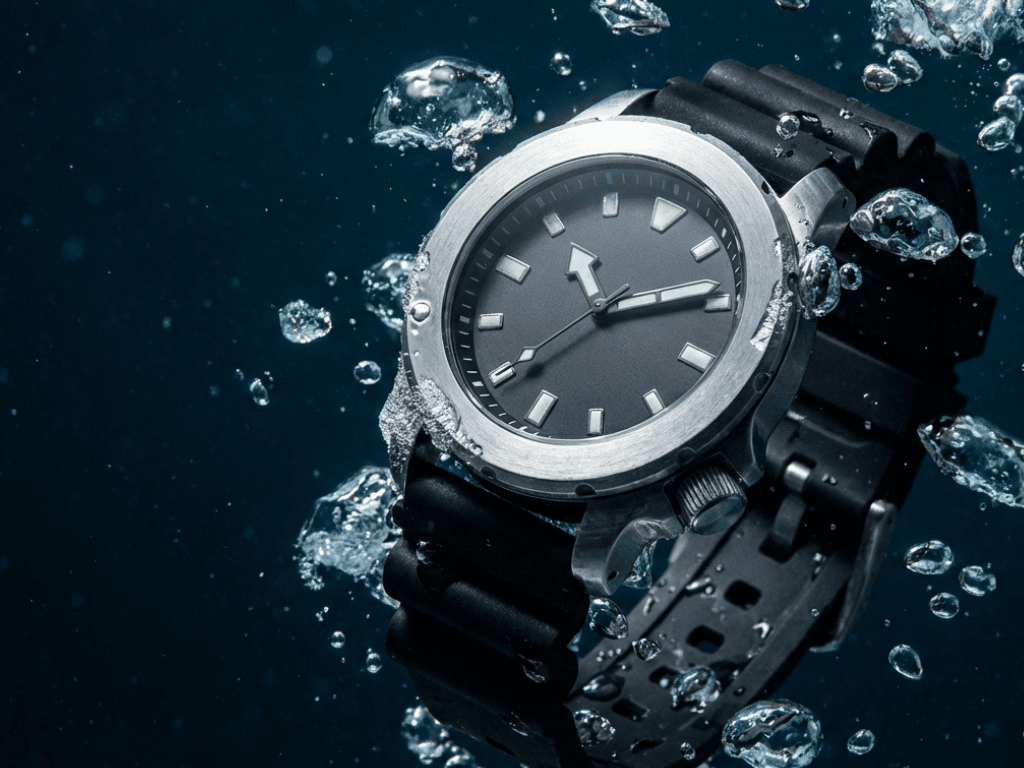

If you’ve ever glanced at the back of your watch and seen “50M Water Resistant,” you might assume it’s safe to dive into the pool—or even snorkel—without a worry. But here’s the truth: that “50M” rating doesn’t mean what most people think it does.
In fact, wearing a “50-meter water-resistant” watch while swimming could void your warranty—or worse, flood your timepiece with water and ruin it forever.
In this clear, practical guide, we’ll decode what water resistance ratings like 30M, 50M, 100M, 200M, and beyond actually mean, when you can (and can’t) wear your watch in water, and how to choose the right level of protection for your lifestyle.
Whether you’re a beachgoer, diver, gym-goer, or just someone who washes dishes with their watch on, this article will help you avoid costly mistakes and keep your watch running smoothly for years.
The Big Myth: “50M = Safe to Dive 50 Meters”?
Nope! That’s the #1 misconception about watch water resistance.
The number (e.g., 50M, 100M) refers to static pressure tested in a lab—not real-world conditions like swimming, jumping into water, or even running your hands under a tap. Dynamic activities create far more pressure than a watch rated for 50 meters can handle.
Think of it this way:
A 50M rating means the watch was tested under equivalent pressure to being submerged in 50 meters of water while perfectly still. But in reality, the force of your arm slicing through water during a swim can mimic pressures far greater than that.
So no—your “50M” watch is NOT suitable for swimming, snorkeling, or diving.
Water Resistance Ratings Decoded: What Each Level Really Means
Here’s a quick-reference guide to common water resistance markings and what they actually allow:
30M (3 ATM / 3 Bar) – Splash Resistant Only
- Safe for: Rain, handwashing, accidental splashes.
- NOT safe for: Showering, swimming, or any immersion.
- Found on: Dress watches, fashion watches (e.g., many Daniel Wellington, MVMT, or minimalist styles).
50M (5 ATM / 5 Bar) – Light Water Exposure
- Safe for: Brief immersion, light rain, handwashing.
- NOT safe for: Swimming, diving, hot showers (steam can damage seals).
- Reality check: Many manufacturers still advise against swimming with a 50M-rated watch.
100M (10 ATM / 10 Bar) – Swim & Snorkel Ready
- Safe for: Swimming, snorkeling, pool use.
- NOT safe for: Scuba diving or high-speed water sports (e.g., jet skiing).
- Ideal for: Active lifestyles, beach vacations, water aerobics.
200M (20 ATM / 20 Bar) – Dive-Ready (Recreational)
- Safe for: Scuba diving (within recreational limits), surfing, kayaking.
- Look for: ISO 6425 certification for true dive watches (e.g., Seiko SKX, Citizen Promaster, Rolex Submariner).
- Note: 200M+ watches are often heavier and bulkier but built for serious underwater use.
300M+ (30+ ATM) – Professional Diving & Extreme Conditions
- Used by professional divers, saturation divers, and military personnel.
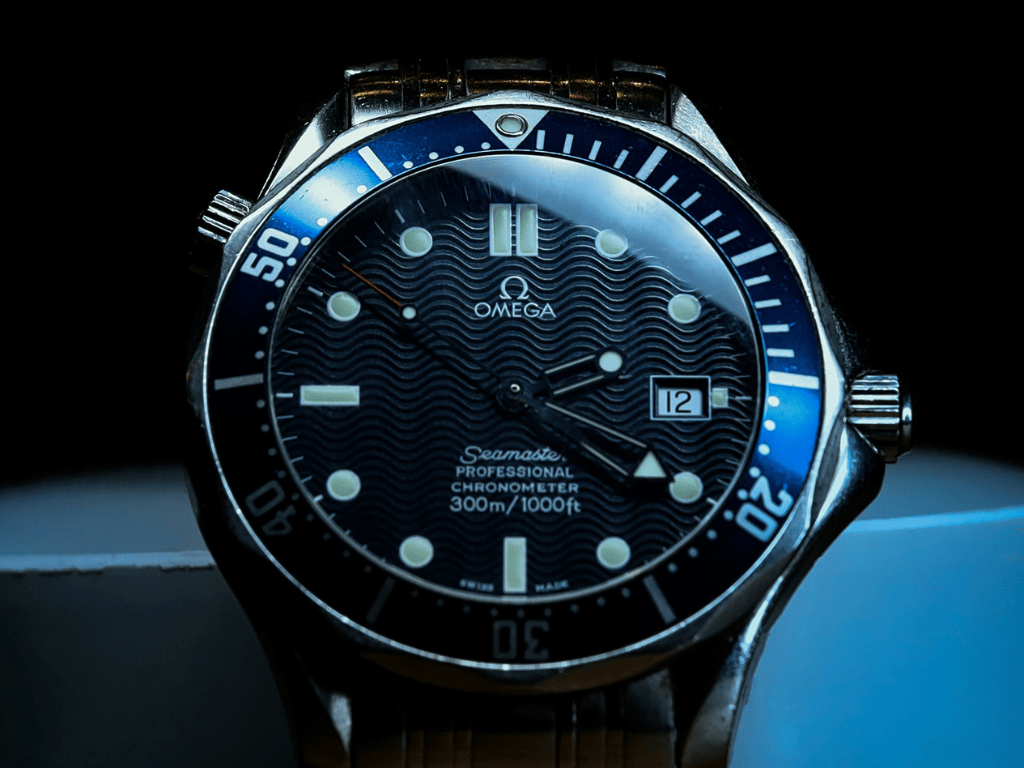
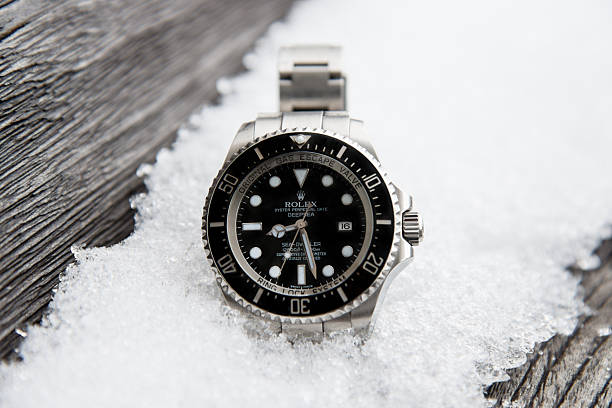
- Examples: Omega Seamaster Diver 300M, Rolex Sea-Dweller.
Key Terms: ATM vs. Bar vs. Meters
You might see water resistance labeled as 30M, 3 ATM, or 3 Bar. Are they the same?
Yes!
- 1 ATM = 1 Bar ≈ 10 meters of static water pressure.
So: - 3 ATM = 30M
- 5 ATM = 50M
- 10 ATM = 100M
These terms are used interchangeably but always check the manufacturer’s guidelines, as testing standards can vary.
How to Protect Your Watch from Water Damage
Even a 200M-rated dive watch isn’t invincible. Follow these best practices to maintain your watch:
- Never operate the crown or pushers underwater
Doing so can break the seal and let water rush in. - Avoid hot water and steam
Showers, saunas, and hot tubs cause gaskets to expand and degrade, compromising water resistance. - Get seals checked every 1–2 years
Rubber gaskets wear out over time. Most brands recommend pressure testing during servicing. - Rinse with fresh water after saltwater or chlorine exposure
This prevents corrosion and buildup. - Don’t assume “water resistant” = waterproof
No watch is 100% waterproof—they’re only resistant up to a certain pressure and condition.
FAQs: Quick Answers to Common Questions
Q: Can I wear my 50M watch in the shower?
A: No. Hot water and steam can damage internal seals. Even 100M watches aren’t recommended for regular showering.
Q: Is my smartwatch water resistant?
A: Many (like Apple Watch Series 2+) are rated 50M—but Apple explicitly says they’re not for scuba diving or high-velocity water sports. Always check your device’s manual.
Q: What does “ISO 6425” mean?
A: It’s the international standard for true dive watches. Watches with this certification undergo rigorous testing for water resistance, legibility, magnetism, shock, and more.
Q: My watch says “Water Resistant” but no number—what does that mean?
A: It likely offers minimal protection—just enough for rain or splashes. Avoid all water contact.
Choosing the Right Water Resistance for Your Lifestyle
| Your Activity | Recommended Rating |
|---|---|
| Office wear / occasional rain | 30M (3 ATM) |
| Gym, handwashing, light rain | 50M (5 ATM) |
| Swimming, snorkeling | 100M (10 ATM) or higher |
| Scuba diving | 200M+ with ISO 6425 |
| Surfing, sailing, kayaking | 100M–200M |
Final Thoughts:
Understanding water resistance in watches isn’t just about numbers it’s about real-world use. That “50M” on your watch? It’s a lab-tested pressure rating, not a dive depth guarantee.
By matching your watch’s rating to your daily activities and respecting its limits you’ll protect your investment and avoid heartbreaking water damage.
So next time you see “100M Water Resistant,” you’ll know exactly what it can (and can’t) handle. And if you’re shopping for a new luxury watch use this guide to pick one that truly fits your life—whether you’re poolside, mountaintop, or deep underwater.
Leave a Comment