


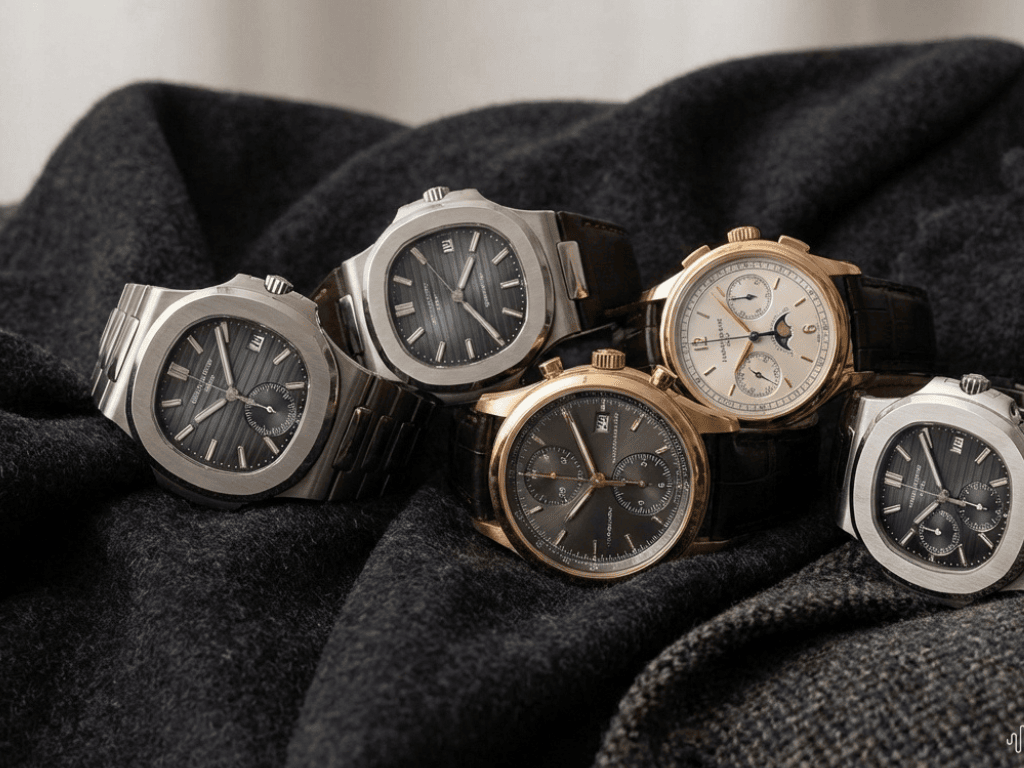

In the world of luxury timepieces, demand often outstrips supply—especially for iconic models like the Rolex Submariner, Audemars Piguet Royal Oak, or Patek Philippe Nautilus. This imbalance has fueled the rise of the gray market: a vast, unofficial network where authentic luxury watches are sold outside authorized dealer channels.
While gray market watches can offer significant savings and access to otherwise “unattainable” models, they come with real risks. In this comprehensive guide, we’ll break down exactly what gray market watches are, why they exist, the potential pitfalls, and most importantly how to buy safely if you choose to go this route.
What Is a Gray Market Watch?
A gray market watch is a genuine, brand-new timepiece sold through a retailer that is not officially authorised by the watch manufacturer. These sellers often online boutiques, independent dealers, or international resellers acquire watches through unofficial channels (e.g., overseas distributors, bulk purchases, or third-party liquidations) and resell them, typically at prices below or above official retail, depending on demand.
Key point: Gray market ≠ counterfeit.
Gray market watches are 100% authentic—but they lack the backing of the brand’s official warranty and service network.
Why Does the Gray Market Exist?
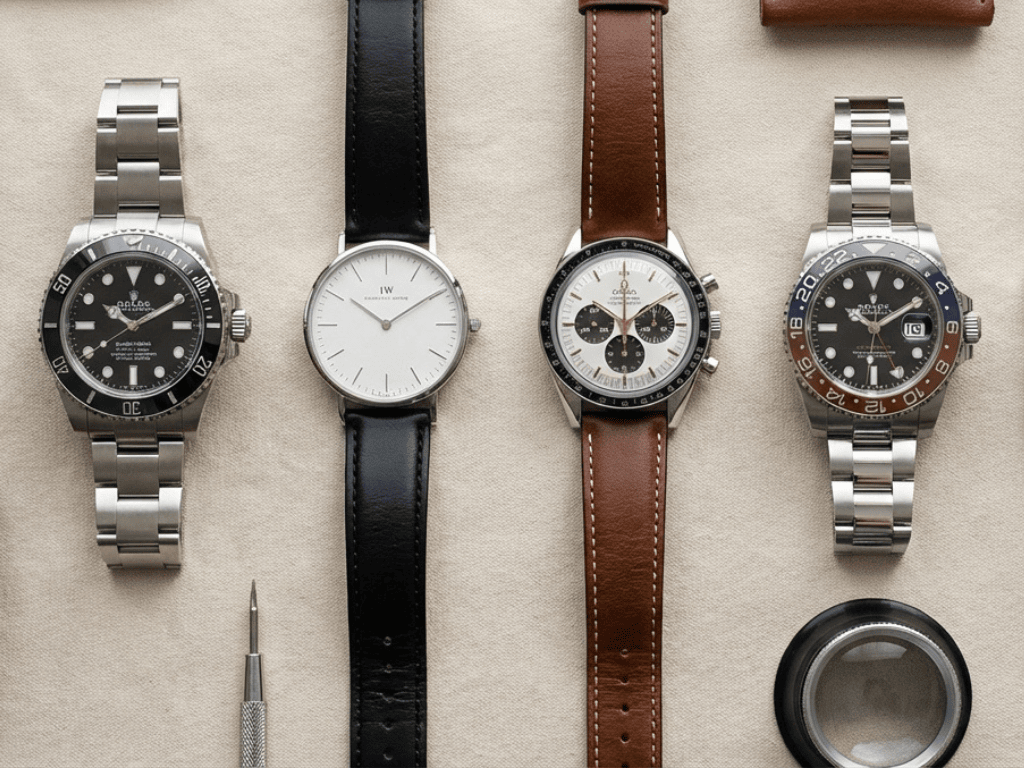
Several factors drive the gray market’s growth:
- High Demand, Low Supply: Brands like Rolex and Audemars Piguet intentionally limit production to maintain exclusivity, creating long waitlists (sometimes years long).
- Global Price Disparities: Luxury watch collection often cost less in Europe or Japan due to taxes and currency differences. Gray market dealers exploit these gaps.
- Investment Appeal: Certain models appreciate rapidly, turning watches into tradable assets.
- Consumer Desire for Instant Access: Many buyers don’t want to wait or jump through hoops for a coveted model.
As a result, the gray market is now a multi-billion-dollar industry, with major players like Jomashop, Watches of Switzerland (pre-owned/gray divisions), and Bob’s Watches operating openly though not with brand endorsement.
Risks of Buying Gray Market Watches
While tempting, gray market purchases carry notable risks:
1. No Official Manufacturer Warranty
Most luxury watch brands (including Rolex, Audemars Piguet, and Patek Philippe) void warranties on watches purchased outside their authorized dealer network. If your watch develops a defect within the first few years, you could be on the hook for costly repairs—sometimes thousands of dollars.
Exception: Some brands, like Omega and Breitling, now offer international warranties activated by serial number regardless of purchase source. Always verify current policy.
2. No Access to Brand Service Centers
Even if your watch is out of warranty, many brands refuse service to gray market owners or charge premium fees. This can affect long-term maintenance and resale value.
3. Potential for Tampering or “Frankenwatches”
Unscrupulous sellers may swap parts (e.g., replacing a worn bracelet with a new one) or assemble watches from mismatched components. These “Frankenwatches” look authentic but lack originality hurting collectibility.
4. Lack of Return Policies or Buyer Protection
Many gray market sites offer limited or no returns. If the watch arrives damaged or not as described, disputes can be difficult to resolve.
5. Resale Value Impact
Collectors and trade-in services often discount gray market watches due to missing paperwork, voided warranties, or questionable provenance.

How to Buy Gray Market Watches Safely (If You Must)
If you decide to buy from the gray market, follow these essential safety tips to minimise risk:
1. Choose Reputable, Established Retailers
Stick with well-known, long-standing gray market dealers with:
- Transparent business addresses
- Strong customer reviews (check Trustpilot, Reddit, WatchUSeek)
- Clear return policies (at least 14–30 days)
- Detailed photos and serial number verification
Trusted examples: Bob’s Watches (U.S.), Chrono24 (with “Trusted Seller” badge), Watches of Espionage (for military-spec), Jomashop (for non-horological luxury brands like Tag Heuer)
Avoid: Unknown eBay sellers, Instagram “private dealers,” or sites with prices that seem too good to be true.
2. Verify Authenticity & Originality
- Ask for high-resolution photos of the actual watch (not stock images).
- Request the serial and reference numbers cross-check them with databases or forums.
- Ensure all original parts are present: caseback engraving, clasp codes, crown logo, and box/papers (even if warranty is void, paperwork adds value).
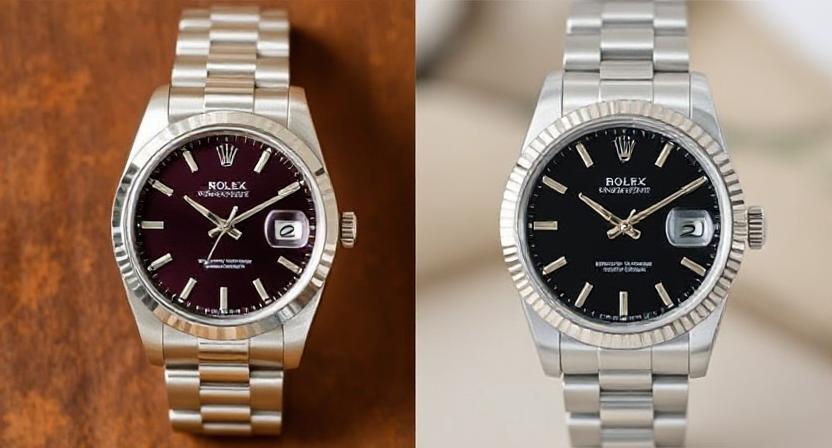
- When buying luxury watches from the gray market especially high-value brands it’s essential to verify authenticity. Read our article on how to authenticate your Rolex watch to learn key signs, serial number checks, and expert tips to avoid counterfeit or altered timepieces.
3. Understand the Warranty Situation
Ask:
- “Is there any warranty offered?” (Some gray dealers provide in-house warranties for 1–2 years.)
- “Can this entry level watch be serviced by the brand later?”
- “Do you offer a authenticity guarantee?”
4. Use Secure Payment Methods
Pay with a credit card (for fraud protection) or PayPal Goods & Services—never Venmo, Zelle, or wire transfer.
5. Get an Independent Inspection (For High-Value Purchases)
For watches over $10,000, consider having it inspected by a certified watchmaker or third-party authenticator like WatchCertified or The Watch Register before finalising payment.
When to Avoid the Gray Market Entirely
Consider sticking to authorized dealers (ADs) if:
- You’re buying a Patek Philippe or Audemars Piguet (brands known for strict warranty enforcement).
- You plan to resell or pass it down as an heirloom.
- You value long-term service support over immediate savings.
- You’re purchasing your first vintage luxury watch and want peace of mind.
The Bottom Line
Gray market watches offer access, speed, and sometimes savings but at the cost of brand-backed security. For informed, cautious buyers, they can be a viable path to owning a dream timepiece. But for collectors, investors, or those seeking lifetime value, authorized channels remain the gold standard.
In 2026, knowledge is your best defense. Whether you buy from an AD or a gray market dealer, do your homework, trust your instincts, and never rush. After all, a watch isn’t just about telling time—it’s about preserving value, heritage, and trust.
FAQs About Gray Market Watches-
Q1. Do gray market watches lose resale value?
Ans. Gray market watches may have slightly lower resale value, especially if the original manufacturer warranty card is missing or altered.
Q2. Are gray market watches fake or counterfeit?
Ans. No. Gray market watches are not fake. They are authentic products made by the original brand. The term “gray” refers only to the unauthorized sales channel, not the product’s legitimacy. Counterfeit watches, by contrast, are illegal fakes.
Q3. Is it legal to buy a gray market watch?
Ans. Yes. Buying or selling gray market watches is legal in most countries, including the U.S., UK, and EU. The “gray” label refers to ethical and commercial boundaries not legality. However, importing watches across borders may incur customs fees or taxes.
Q4. Do gray market watches come with a manufacturer’s warranty?
Ans. Usually not. Most luxury watch brands—including Rolex, Audemars Piguet, and Patek Philippe void their factory warranty if the watch is bought from a non-authorized dealer. However, some gray market sellers offer their own limited warranty (typically 1–2 years). Always ask before buying.

Leave a Comment