



For watch collectors standing at the crossroads of heritage and value, the Tudor vs Rolex debate represents one of horology’s most fascinating dilemmas. Both brands share DNA, yet deliver distinctly different experiences. Understanding their relationship, technical distinctions, and philosophical differences isn’t just academic-it’s essential for making an informed purchase that aligns with your collecting priorities.
The Tudor and Rolex Relationship: Siblings, Not Twins
The Tudor and Rolex history begins with a single visionary: Hans Wilsdorf. After founding Rolex in 1905, Wilsdorf registered “The Tudor” trademark in 1926, then formally launched Montres Tudor SA in 1946
His mission was revolutionary for its era: create timepieces that offered “Rolex reliability at more accessible prices” by pairing Rolex cases and rolex bracelets with third-party movements
This wasn’t a discount brand strategy it was democratization. Tudor would inherit Rolex’s rigorous quality standards while occupying a different market segment. Today, Tudor operates as an independent entity under the Hans Wilsdorf Foundation (which also owns Rolex), with its own manufacture in Le Locle, Switzerland, and dedicated movement production through Kenissi
The familial connection remains, but Tudor has evolved into its own formidable force.
Tudor vs Rolex: Core Differences That Define Each Brand
Price Positioning: The Most Obvious Divide
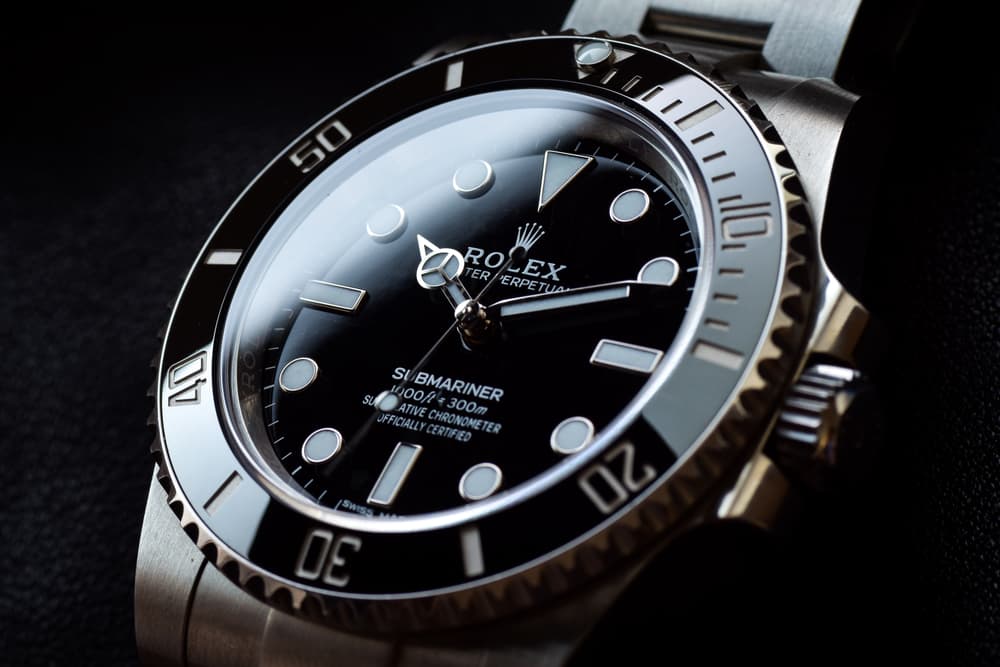
A stainless steel Rolex Submariner starts around $10,100 retail, while its spiritual cousin, the Tudor Black Bay, begins at approximately $3,900
This 2.5x–3x price differential permeates every category from sports watches to dress watches making Tudor the gateway to Swiss luxury watchmaking for many collectors.
Movement Philosophy: Shared Heritage, Divergent Paths
Historically, Tudor used ETA/Sellita movements while Rolex developed proprietary calibers. That changed dramatically in 2015 when Tudor introduced its first in-house movement, the MT5621, in the North Flag.
Today, Tudor produces three movement families:
- MT56 (large, 32–34mm diameter) – 70-hour power reserve
- MT54 (mid-size, 26mm) – COSC-certified chronometer
- MT52 (small) – for 31mm models
These watch movements share architectural DNA with modern Rolex calibers but feature distinct finishing and regulation standards. Crucially, Tudor’s 2025 Black Bay Master Chronometer models now carry METAS certification—surpassing Rolex’s COSC standard in magnetic resistance testing.
Finishing and Materials: Where Luxury Lives
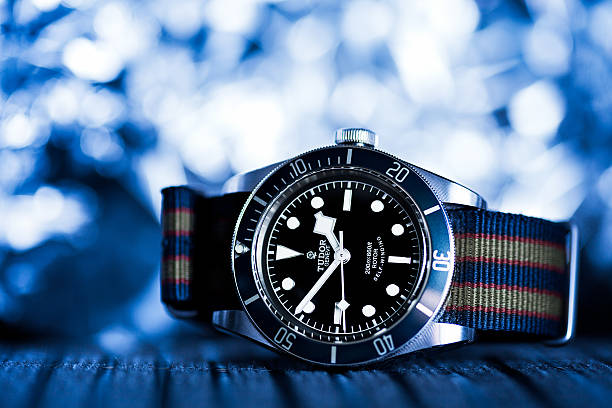
Here lies the most tangible difference. Rolex employs extensive hand-finishing: polished center links on Oyster bracelets, mirror-finish bezels, and Zaratsu-like case polishing that creates dramatic light play
Tudor embraces a more tool-watch aesthetic—satin-brushed surfaces dominate, with selective polishing that prioritizes durability over dazzle. The Pelagos’ titanium construction versus the Sea-Dweller‘s 904L Oystersteel exemplifies this philosophical split: instrument versus jewelry.
Model Showdowns: Tudor Ranger vs Rolex Explorer and Beyond
Tudor Ranger vs Rolex Explorer: The Adventure Watch Duel
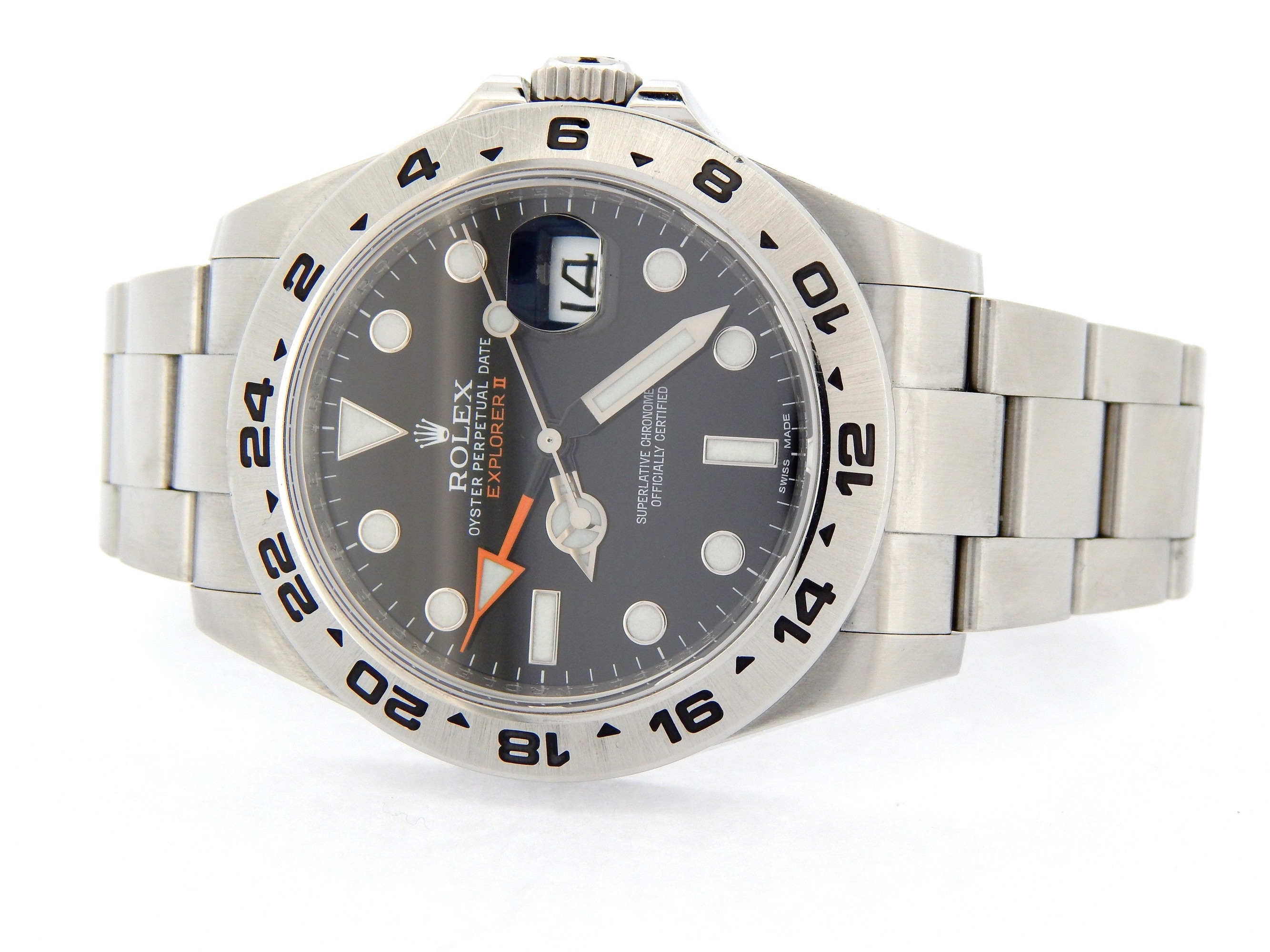
When comparing the Tudor Ranger and Rolex Explorer, size and personality dominate the conversation. The modern Ranger (39mm or new 36mm) features bold Arabic numerals at 3, 6, 9, and 12 with signature snowflake hands, delivering vintage-inspired legibility
The Explorer maintains minimalist purity-36mm case, Mercedes hands, and restrained 3/6/9 numerals that prioritize elegance over ruggedness.
Technically, the Ranger offers 100m water resistance with a screw-down crown; the Explorer matches this spec but in a more refined Oyster case
The Ranger’s MT5402 movement delivers 70 hours of power reserve versus the Explorer’s 48–70 hours depending on generation. For collectors seeking heritage with modern robustness, the Ranger delivers exceptional value; for those prioritizing understated luxury, the Explorer remains peerless.
Black Bay vs Submariner: The Dive Watch Question
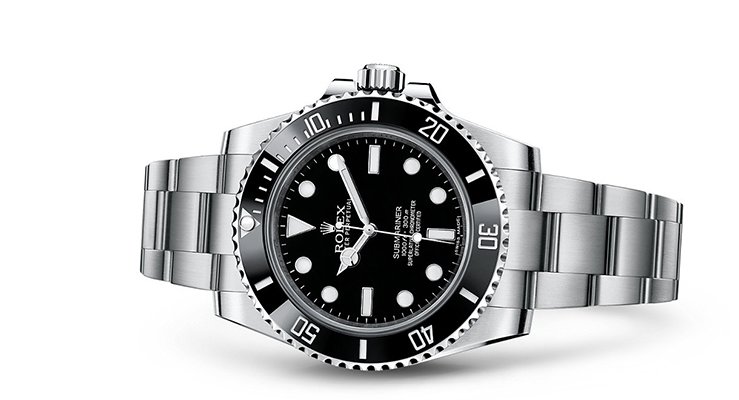
The Tudor Black Bay family now spans 31mm to 43mm including the METAS-certified Black Bay Master Chronometer giving buyers sizing flexibility the Submariner cannot match
The Black Bay 58’s 39mm case pays direct homage to Tudor’s vintage Submariner references (like the 7922), while offering modern in-house movements
The Submariner counters with ceramic bezels across its range, superior bracelet finishing, and that unmistakable “Rolex presence” on wrist. Neither is objectively superior—the choice hinges on whether you prioritize heritage-inspired character (Black Bay) or contemporary luxury execution (Submariner).
Is Tudor as Good as Rolex?
This perennial question deserves nuance. Is Tudor as good as Rolex in absolute terms? No, Rolex maintains higher finishing standards, uses more exotic alloys (904L steel), and invests more per watch in hand assembly and quality control.
But “as good” depends entirely on your criteria:
- Reliability? Both brands deliver exceptional timekeeping. Tudor’s COSC/METAS certifications ensure precision rivaling Rolex.
- Durability? Tudor’s tool-watch ethos often means more robust construction for active use (see: Pelagos’ titanium case and bracelet).
- Value retention? Rolex appreciates significantly on secondary markets (+11.8% average value retention as of 2026) , while Tudor holds 60–80% of retail value—respectable but not investment-grade.
- Wearability? Many collectors find Tudor’s lighter weight and brushed finishes more comfortable for daily wear.
The honest answer: Tudor isn’t “Rolex-lite.” It’s a purpose-built alternative with its own merits. Asking is Tudor better than Rolex misses the point they serve different masters. Rolex excels as heirloom jewelry; Tudor shines as wearable instrument.
Who Should Buy Which Brand?
Choose Rolex if you:
- Prioritize brand prestige and resale value
- Appreciate meticulous hand-finishing and mirror polishing
- Want a watch that functions as both timepiece and status symbol
- Can justify the premium for marginal technical gains
Choose Tudor if you:
- Value heritage design with modern reliability
- Prefer tool-watch aesthetics over jewelry-like finishing
- Want in-house Swiss movements without six-figure pricing
- Plan to actually wear your watch in demanding environments
The Verdict: Tudor vs Rolex Which is Better?
There is no universal winner in the Tudor vs Rolex which is better debate—only the better choice for your wrist and priorities. Rolex remains the pinnacle of accessible luxury watchmaking: a perfected formula of engineering, finishing, and brand equity. Tudor has carved its own identity as the thinking collector’s alternative: historically rich, technically accomplished, and refreshingly honest about its tool-watch roots.
For the pragmatic collector building a versatile collection, Tudor offers extraordinary value. For the connoisseur seeking the final word in luxury sports watches, Rolex delivers an unmatched ownership experience. The beauty of this sibling rivalry? You can’t make a wrong choice—only a different one. And in today’s market, that’s a luxury in itself.

Leave a Comment