


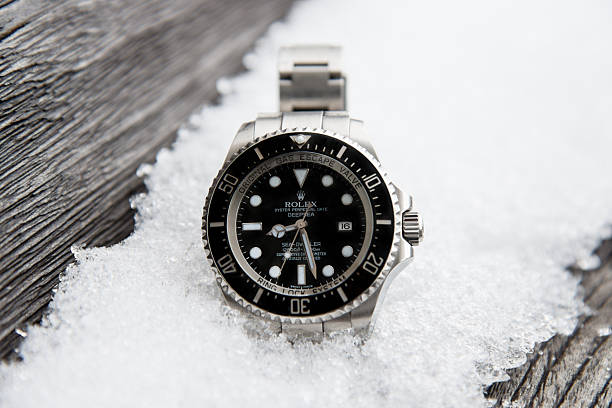

When temperatures plunge below freezing, ordinary watches betray you. Lubricants solidify. Batteries die. Straps crack against your skin. But purpose-built cold weather watches engineered for sub-zero extremes don’t just survive, they deliver unwavering precision whether you’re commuting through a blizzard, back-country skiing at altitude, or leading a scientific expedition across the polar ice cap. This definitive guide reveals the engineering secrets behind true cold-weather reliability, profiles timepieces rigorously tested in Arctic conditions, and delivers a practical buying framework for every winter adventurer.
Why Standard Watches Fail Below Freezing
At -10°C, conventional watch lubricants begin thickening. By -20°C, most mineral oils approach solidification—grinding mechanical movements to a halt. Quartz batteries lose 30–50% of their capacity in deep freeze, while standard stainless steel cases risk embrittlement on impact with ice. Even legibility fails as lume fades and hands vanish against snow glare.
True cold-weather timepieces overcome these failure points through three engineering pillars:
| Failure Point | Standard Watch | Cold-Weather Solution |
|---|---|---|
| Lubrication | Mineral oils solidify below -10°C | Synthetic PAO oils or oil-free DIAPAL technology (fluid to -45°C) |
| Power Source | Standard batteries fail below -25°C | Solar-assisted quartz, automatic movements worn against skin, or thermally compensated cells |
| Materials | Steel embrittles; leather cracks instantly | Titanium cases resist thermal shock; silicone/NATO straps stay flexible to -40°C |
Critical insight: Water resistance ≠ cold resistance. A 200m dive watch may flood with condensation during rapid temperature transitions between -40°C exterior and heated shelter. True Arctic reliability demands thermal engineering, not just sealing.
The Physics of Timekeeping in Extreme Cold
Understanding why watches behave differently in freezing conditions informs smarter selection:
- Mechanical movements typically gain time in extreme cold as metal components contract, tightening the balance spring. High-end expedition watches use glucydur balances and Nivarox hairsprings engineered for minimal thermal variation.
- Quartz crystals experience frequency drift below -10°C without thermal compensation circuits. Only specialized watch movements (like Casio’s Tough Movement) maintain ±15 sec/month accuracy below -20°C.
- Condensation risk peaks during shelter transitions. Moving a -30°C watch into a +20°C cabin causes immediate internal fogging—unless the case is filled with argon or features a helium escape valve to equalize pressure differentials.
Best Cold Weather Watches by Temperature Range & Use Case
Everyday Winter Reliability (-5°C to -20°C)
For urban commuting, snowshoeing, ice fishing, and daily cold-weather wear
- Seiko Prospex SPB149 “Save the Ocean” ($650)
Automatic 6R35 movement with Diashock protection. Silicone strap remains flexible during deep freeze. 200m WR handles accidental snow immersion. High-contrast blue dial defeats flat winter light. - Citizen Eco-Drive Promaster BN0150 ($250)
Solar-powered quartz eliminates battery anxiety. Tested reliable to -20°C with mineral crystal resisting thermal shock during rapid temperature shifts. - Timex Expedition North ($120)
Budget digital with Indiglo® night-light for pre-dawn winter runs. Resin case won’t crack when dropped on ice. 100-hour timer useful for avalanche safety protocols.
Alpine & Backcountry Performance (-15°C to -30°C)
For mountaineering, ski touring, ice climbing, and high-altitude exposure
- Suunto Core All Black ($200)
Built-in altimeter/barometer forecasts avalanche conditions. Operates reliably to -30°C with storm-grade sealing. Compass function critical for whiteout navigation. - Breitling Endurance Pro ($3,000)
Ultra-light Breitlight® case (3.6x lighter than steel) won’t freeze to skin during glove changes. Super-LumiNova ensures legibility in flat Arctic light. Chronograph tracks ascent rates on technical climbs. - Casio G-Shock Rangeman GW-9400 ($500)
Triple sensors (altimeter/barometer/compass) + Tough Solar recharging. Resin construction survives impacts on hardpack snow where metal cases dent or shatter.
Polar Expedition Grade (-30°C to -45°C)
For scientific research, Arctic traverses, polar diving, and true survival scenarios
- Sinn UX / EZM 2 ($3,800)
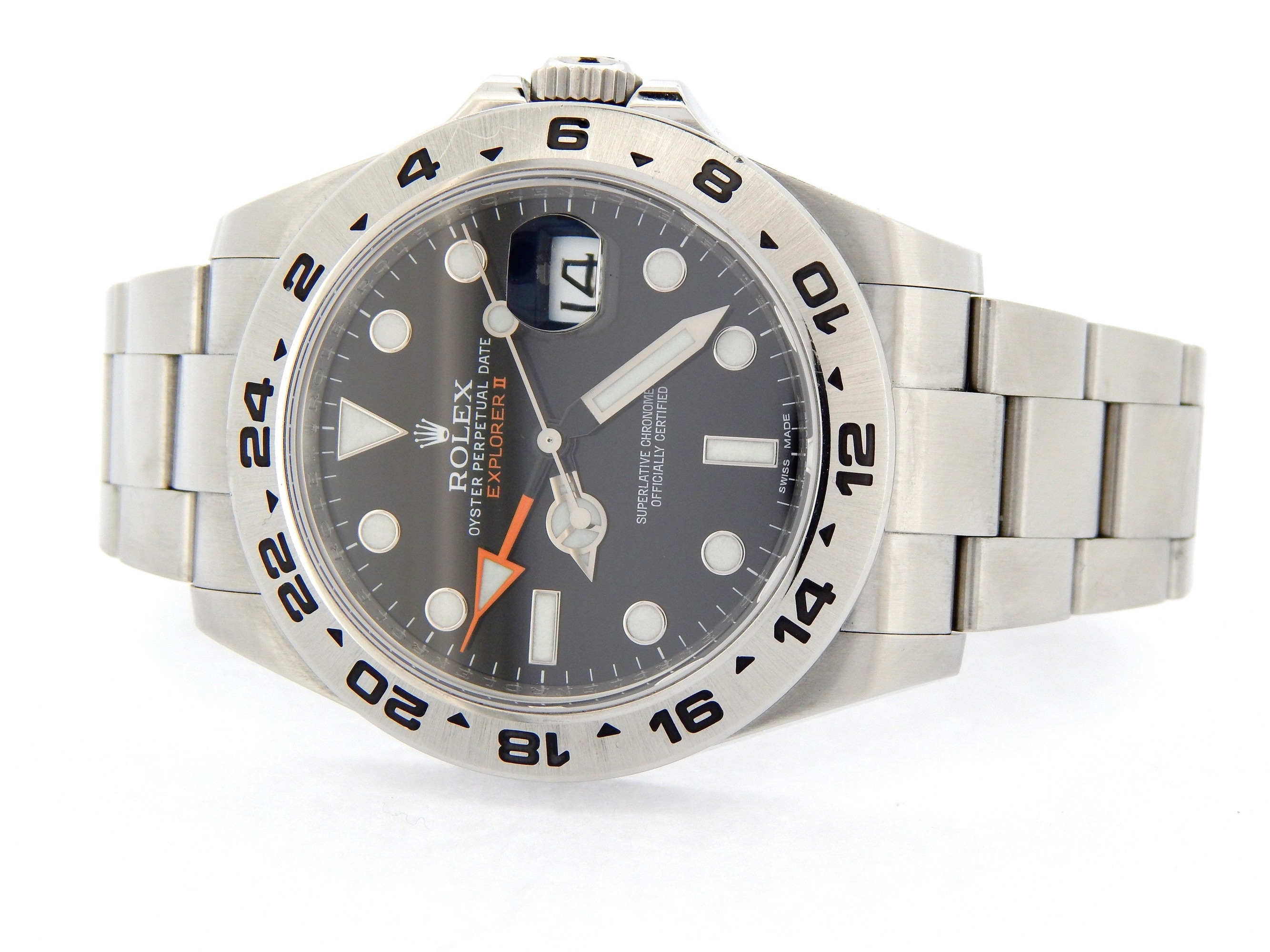
Only production watch officially certified to -45°C. Argon-filled case prevents internal fogging during shelter transitions. DIAPAL lubrication eliminates oil dependency entirely. TEGIMENT-hardened case resists ice abrasion. German polar researchers have deployed these on multi-year Arctic ice stations. - Rolex Explorer II 216570 “Polar” ($12,000+)
Proven on Greenland ice cap expeditions since the 1950s. 24-hour hand solves perpetual daylight/darkness dilemma above Arctic Circle. Paraflex shock absorbers withstand ice axe impacts and sled vibrations. Wear under jacket cuff to maintain movement temperature. - Vostok-Europe Expedition North Pole-1 ($280)
Commemorates 1937 Soviet drifting station “North Pole-1.” Shock-tested during 1960s Arctic diving expeditions where saltwater spray instantly freezes on contact. 200m WR with automatic movement. Best value for genuine sub-zero reliability. - Breitling Emergency II ($5,500)
Beyond timekeeping: integrated dual-frequency Cospas-Sarsat distress beacon (121.5 MHz + 406 MHz). During 2019 Northwest Passage expedition, a solo kayaker activated his after capsizing in -2°C water; rescue arrived within 90 minutes.
Verified Cold Temperature Ratings: What Manufacturers Actually Guarantee
Beware vague marketing claims like “built for adventure.” Only three brands publish verified minimum operating temperatures:
| Brand/Model | Certified Minimum | Verification Method |
|---|---|---|
| Sinn UX/EZM 2 | -45°C | DIN 83101 thermal cycling test across 125°C range |
| Casio G-Shock Rangeman/Mudmaster | -30°C | JIS B7001 cold chamber testing |
| Suunto Core/Vertical | -30°C | ISO 13619 Arctic field trials |
Rolex, Omega, and Grand Seiko don’t publish cold ratings—but decades of documented polar expedition logs confirm real-world reliability to -30°C when worn against skin under jacket cuff.
Cold Weather Watch Buying Checklist: 5 Non-Negotiables
Movement Selection by Climate
- Below -20°C: Automatic (worn against skin) or solar-assisted quartz
- -10°C to -20°C: Standard quartz acceptable with spare battery
- Avoid: Mechanical watches with standard lubricants below -15°C
Strap Survival Science
- NEVER use: Leather (cracks instantly below -10°C), standard metal bracelets or watch straps (freeze to bare skin during adjustments)
- ALWAYS choose: Silicone (flexible to -40°C), ballistic nylon NATO (won’t shatter on ice impact), titanium bracelet watch (lightweight + non-conductive)
Legibility in Whiteout Conditions
- Watch Lume must glow ≥6 hours (BGW9 or Super-LumiNova X1 grade minimum)
- Dial contrast: Black-on-white or white-on-black only—no gray tones
- Hand width ≥1.0mm to prevent “disappearing” against snow glare
Case Material Intelligence
- Titanium: Lightest weight, won’t conduct cold to skin, resists embrittlement
- TEGIMENT-hardened steel (Sinn): 5x harder than standard steel against ice abrasion
- Resin/composites (G-Shock): Shock-proof on hard ice impacts where metal dents
Condensation Defense
- Argon/helium-filled cases prevent internal fogging during shelter transitions
- If unavailable: Seal watch in ziplock bag before entering heated space—warm gradually inside bag
Which Cold Weather Watch Fits Your Needs?
| Budget | Best Overall Pick | Why It Wins |
|---|---|---|
| Under $300 | Vostok-Europe North Pole-1 | Genuine Arctic-proven automatic at accessible price; shock-tested in Soviet polar programs |
| $300–$800 | Seiko Prospex SPB149 or Casio Rangeman GW-9400 | Automatic reliability (Seiko) or solar sensor suite (Casio) for serious winter sports |
| $800–$4,000 | Sinn UX/EZM 2 | Only certified -45°C timepiece; argon-filled case prevents fogging; oil-free movement |
| $4,000+ | Rolex Explorer II or Breitling Emergency II | Heritage polar reliability (Rolex) or life-saving distress beacon integration (Breitling) |
The Bottom Line
No watch replaces proper winter preparation—but the right cold-weather timepiece ensures you’ll never lose track of time when daylight vanishes at 3 p.m., a whiteout rolls in, or you’re calculating safe return windows during a polar traverse. In freezing conditions, that reliability isn’t a luxury—it’s essential safety equipment.
Choose based on verified temperature ratings, not marketing claims. Prioritise thermal engineering over aesthetics. And remember: the best luxury watch is the one worn against your skin, checked daily, and trusted when the mercury plummets and the stakes rise. Because in the Arctic—and even on your local ski hill time doesn’t stop. Neither should your watch.

Leave a Comment