


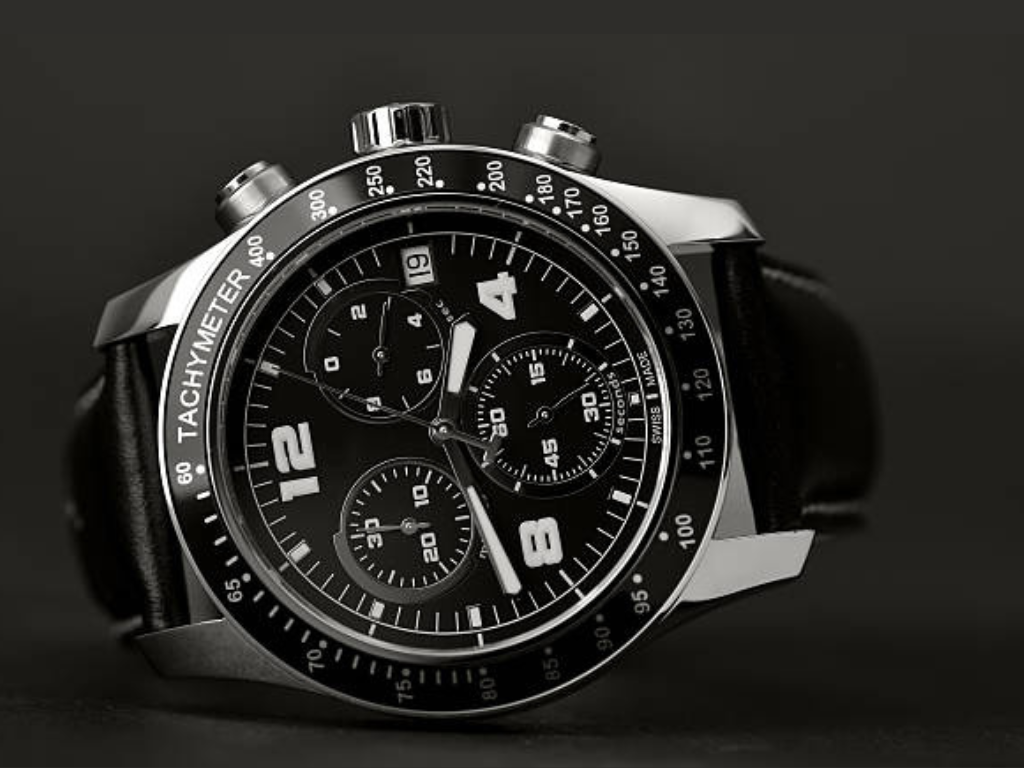

When shopping for a wristwatch, most people focus on the dial, movement, or brand. But one crucial element often overlooked is the watch bezel. More than just a decorative ring, the bezel plays an essential role in functionality, durability, and overall style.
In this guide, we’ll break down watch bezel types, their functions, and why they matter, helping you choose the perfect luxury watch whether you’re a diver, traveller, or luxury watch enthusiast.
What is a Bezel on a Watch?
A watch bezel is the ring surrounding your watch crystal that secures the glass in place while serving functional or aesthetic purposes. As a key watch spec, the bezel can enhance the overall performance and design of the timepiece.
Far from being mere ornamentation, the bezel is one of horology’s most ingenious innovations, transforming a simple timekeeper into a tool for divers, pilots, racers, and globetrotters.
Whether you’re shopping for your first dive watch or building a luxury collection, understanding bezel types unlocks smarter purchasing decisions and deeper appreciation for luxury watchmaking craftsmanship.
Fixed vs. Rotating: The Two Watch Bezel Categories
All watch bezels fall into one of two structural categories:
Fixed Bezels
Non-rotating bezels that primarily frame the dial and protect the crystal. These include:
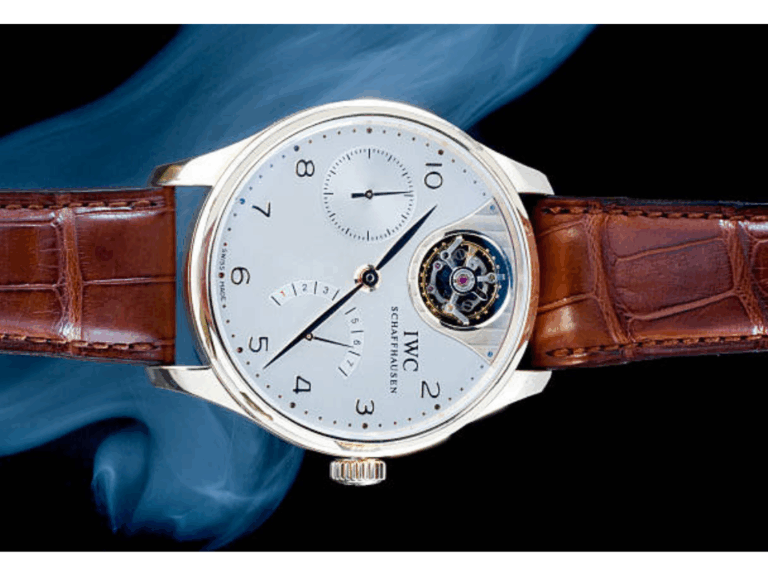
- Smooth bezels: Minimalist rings popular on dress watches
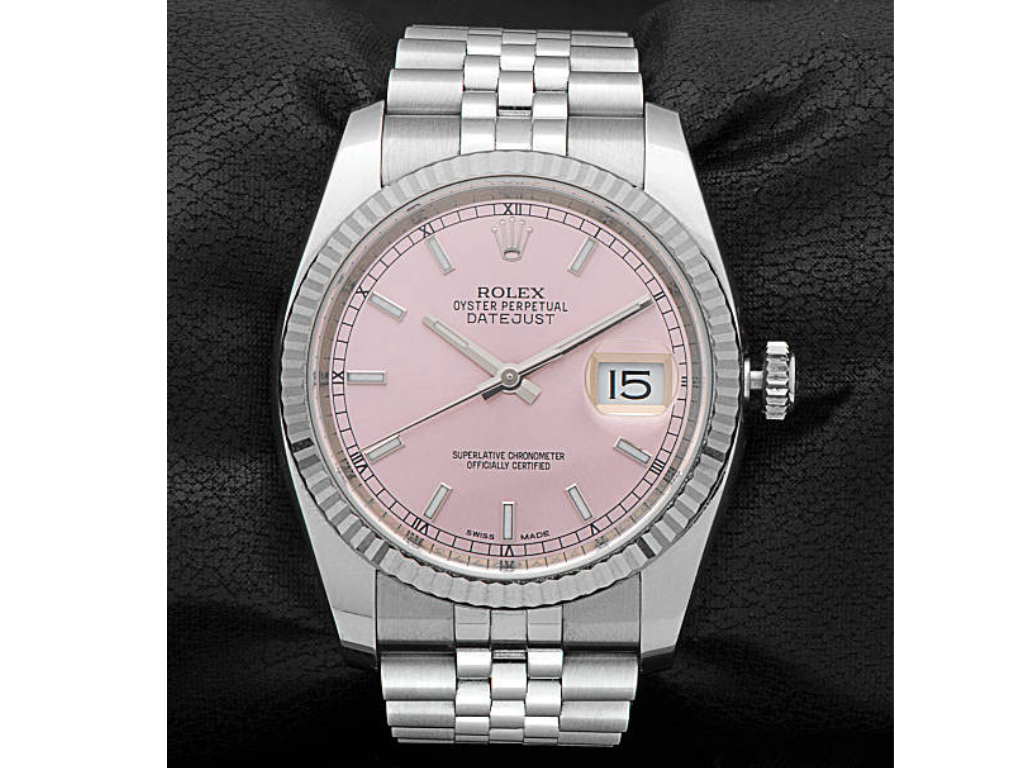
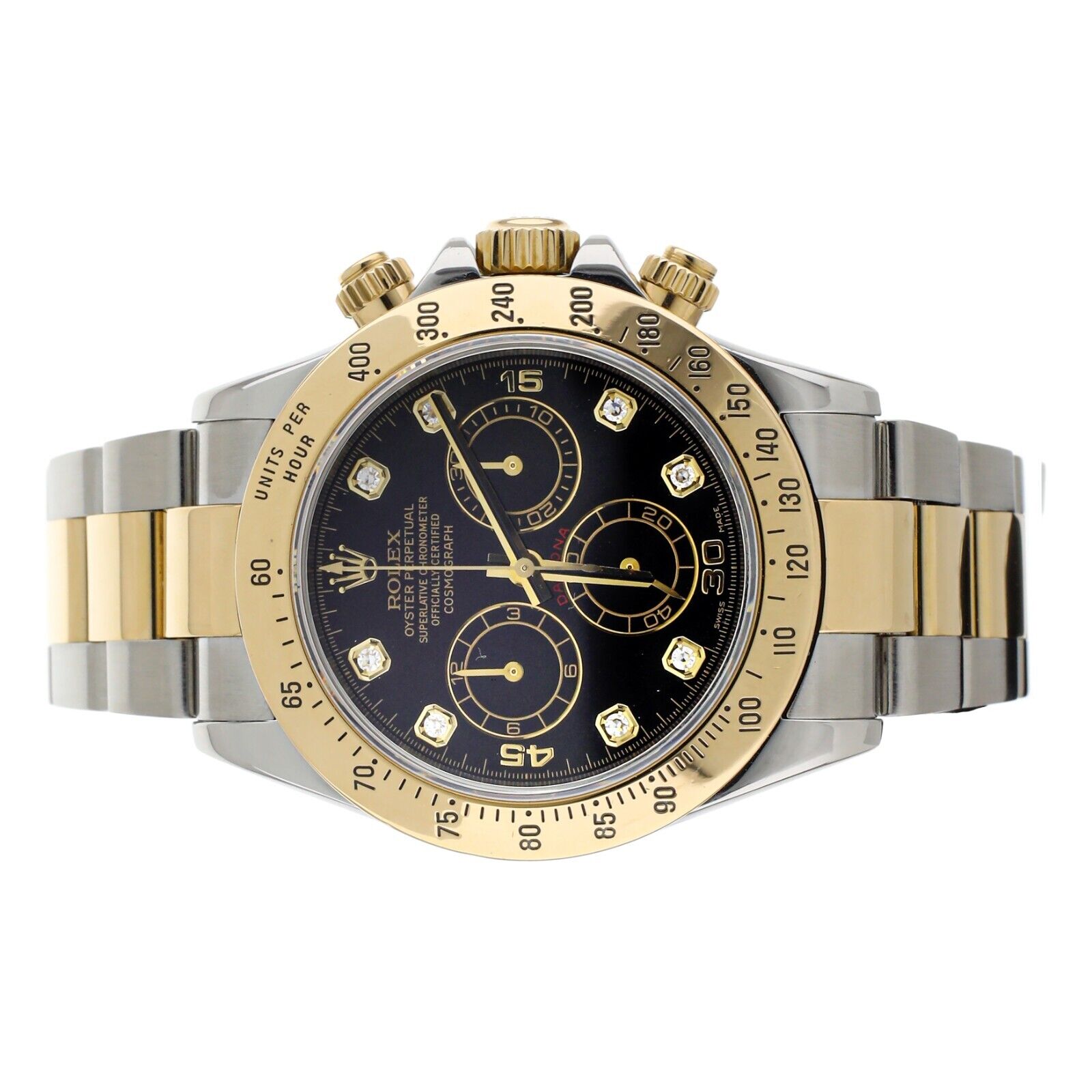
- Fluted bezels: Rolex’s signature grooved design adding elegance and light play
- Gem-set bezels: Diamond or sapphire-encrusted for luxury appeal
- Domed bezels: Gently curved for vintage aesthetics
Fixed bezels prioritise aesthetics and crystal security over functionality, ideal for formal occasions where complications would distract.
Rotating Bezels
Movable rings engineered for timing tasks
Critical safety feature: dive bezels rotate unidirectionally (counter-clockwise only) to prevent accidental underestimation of elapsed time underwater. A bumped bezel showing less time remaining keeps divers safe; one showing more could be fatal.
6 Essential Watch Bezel Types:
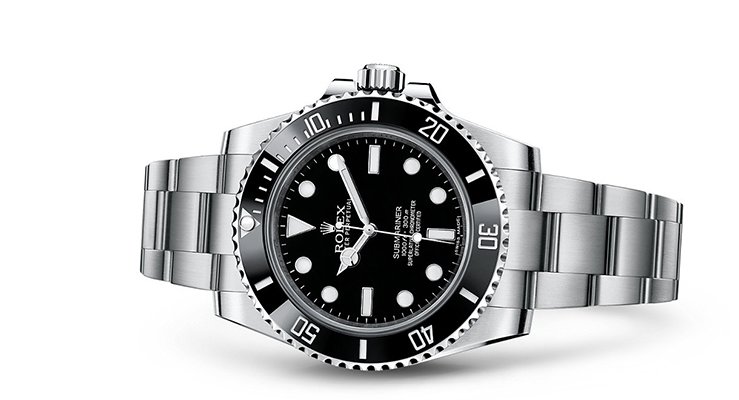
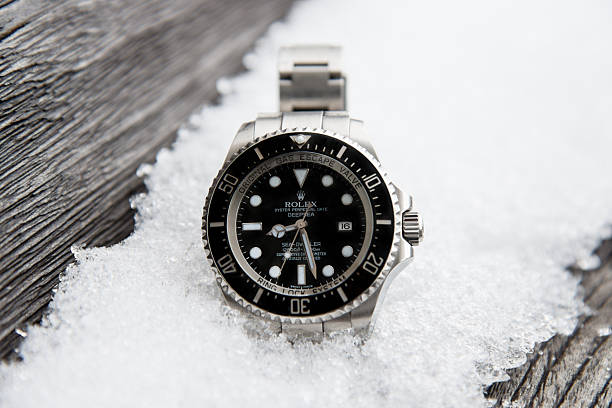
1. Diver’s (Unidirectional Rotating) Bezel
Found on ISO 6425-certified dive watches, this bezel rotates counterclockwise only—a deliberate safety feature. A diver sets the zero marker (usually a luminous pip at 12 o’clock) to the minute hand before descending. As the dive progresses, the elapsed time is read directly from the bezel. If accidentally bumped, the bezel can only show more elapsed time—not less—preventing dangerous underestimations of remaining oxygen.
Iconic examples: Rolex Submariner, Omega Seamaster Diver 300M, Blancpain Fifty Fathoms
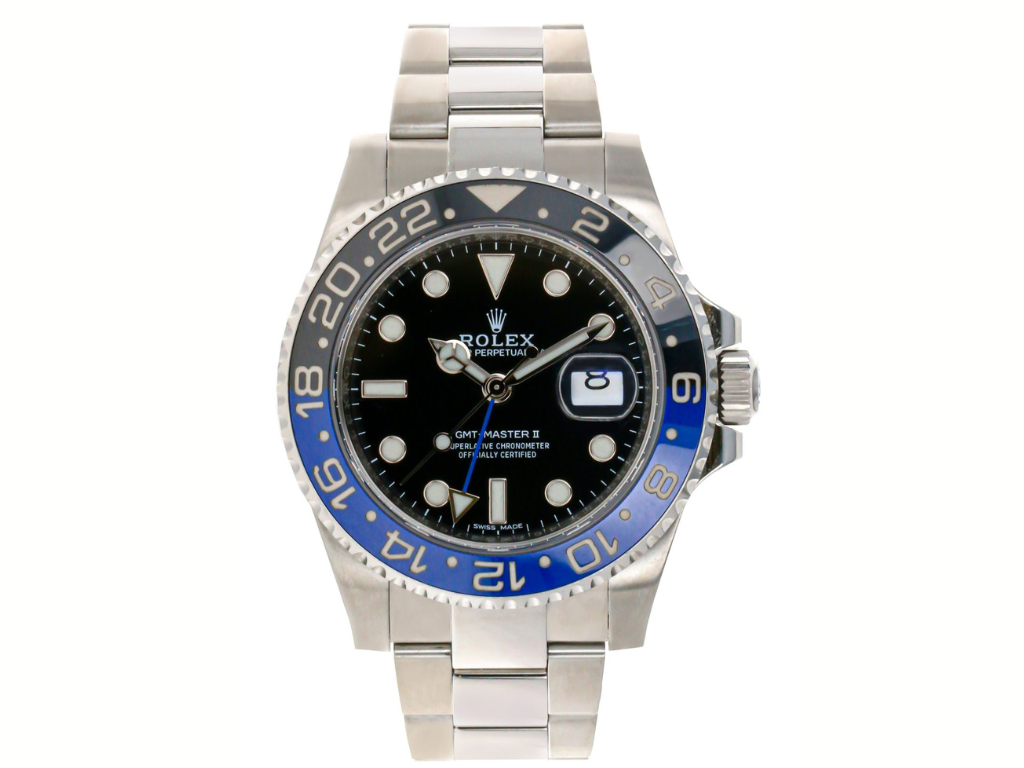
2. GMT / Dual-Time Bezel
Paired with a 24-hour hand, a GMT bezel (typically 24-hour scale) allows simultaneous tracking of three time zones: home time via the bezel scale, local time via main hands, and a third zone via the GMT hand. Bidirectional rotation lets wearers quickly adjust for eastward or westward travel.
Iconic examples: Rolex GMT-Master II (“Pepsi” or “Batman”), Tudor Black Bay GMT
3. Tachymeter Bezel
Calibrated in units per hour (e.g., km/h or mph), a tachymeter converts elapsed seconds into speed. Start the chronograph at a measured mile/km marker; when you pass the next marker, the chronograph seconds hand points to your average speed on the bezel scale. Essential for racing and aviation history.
Iconic examples: Omega Speedmaster Professional, TAG Heuer Carrera
4. Compass & Slide Rule Bezels
- Compass bezels (like on the Breitling Emergency) assist with orienteering when combined with the sun’s position.
- Slide rule bezels (Breitling Navitimer) perform in-flight calculations: fuel consumption, climb rates, currency conversion—essentially an analog computer on the wrist.
5. Countdown Bezels
Used in regattas (sailing races) or medical applications, these bezels count down to zero rather than up from start. The Breitling Chronomat’s “rider tabs” originated as a pilot’s countdown tool for bombing runs.
6. Pulsometer Bezel
Measures heart rate in beats per minute. Start chronograph, count 15 or 30 heartbeats, stop—hand points to BPM on scale
Historically used by physicians; now a collector’s curiosity.
Bezel Materials Decoded: Ceramic vs. Aluminum vs. Titanium
Your bezel’s material impacts durability, weight, and value retention:
| Material | Pros | Cons | Best For |
|---|---|---|---|
| Ceramic | Scratch-proof, fade-resistant, vibrant colors | Brittle under sharp impacts, expensive | Luxury dive watches (Rolex Cerachrom, Omega) jestikcollection.com |
| Aluminum | Lightweight, affordable, classic patina | Scratches easily, fades in UV light | Vintage-style divers, budget-friendly options |
| Titanium | Ultra-lightweight, hypoallergenic, corrosion-proof | Softer than steel, shows fine scratches | Active lifestyles, sensitive skin www.grayandsons.com |
| Stainless Steel | Durable, affordable, repairable | Heavier, can scratch | Everyday wear, tool watches |
2026 trend: High-tech ceramic dominates luxury segments, while titanium gains traction among adventure watchmakers seeking weight reduction without sacrificing strength.
Why Bezels Matter: Beyond Aesthetics
Safety Engineering
The unidirectional dive bezel isn’t arbitrary—it’s ISO 6425 certified safety engineering. Counter-clockwise rotation ensures any accidental bump increases displayed elapsed time, forcing conservative ascent decisions.
Brand Identity
Bezels define iconic silhouettes:
- Rolex Submariner’s coin-edge grip
- Omega Speedmaster’s tachymeter scale
- Tudor Black Bay’s “snowflake” lume pip
- Breitling Navitimer’s aviation slide rule
Change the bezel, and you alter the watch’s entire character.
Resale Value
Ceramic bezels retain luster decades longer than aluminum, critical for investment pieces. A faded aluminum insert can slash a vintage Submariner’s value by 30–40%.
Choosing the Right Bezel for You:
- For divers/active users: Prioritize unidirectional ceramic bezels with strong grip (notched or coin-edge) and luminous markers.
- For travelers: GMT bezels with 24-hour scales offer practical multi-time zone functionality.
- For collectors: Consider how bezel material ages—aluminum patina versus ceramic permanence reflects different philosophies of watch ownership.
- For formal wear: Fixed, slim bezels in precious metals or minimalist designs maintain elegance without distraction.
Final Thoughts
From Blancpain’s 1953 Fifty Fathoms establishing the dive bezel standard to Breitling’s 1952 Navitimer slide rule revolutionizing cockpit calculations, bezels represent watchmaking’s problem-solving genius
They transform timepieces from passive accessories into active tools—proving that the most elegant solutions often sit not inside the case, but elegantly framing it.
Whether you value the buttery-smooth rotation of a Rolex Cerachrom insert or the minimalist grace of a fluted bezel catching afternoon light, understanding these rings elevates your appreciation from casual observer to informed collector. And in horology, that knowledge is timeless.
FAQ: Watch Bezel Questions Answered
Q: Can I replace a scratched aluminum bezel insert?
A: Yes—most brands sell replacement inserts. Aftermarket options exist for vintage models, though OEM parts preserve value best.
Q: Why do some dive bezels have 60 clicks while others have 120?
A: Higher click counts (120+) enable more precise alignment—critical for technical diving. 60-click bezels offer smoother rotation preferred by casual divers.
Q: What’s the difference between a bezel and a chapter ring?
A: The bezel sits outside the crystal on the case; a chapter ring is an internal ring between crystal and dial displaying minutes/seconds.
Q: Do automatic watches need bezels to function?
A: No—bezels are complications independent of movement mechanics. A watch runs identically with or without a rotating bezel.
Leave a Comment