


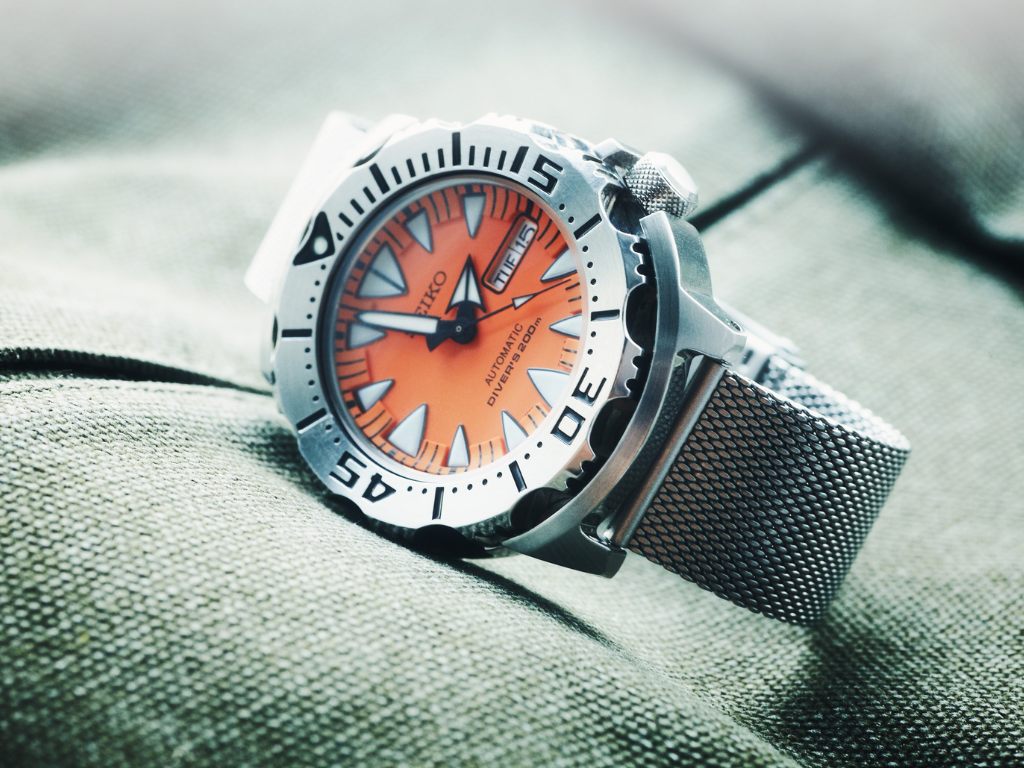

Buying a watch today can feel overwhelming. Between terms like automatic movement, water resistance 100M, sapphire crystal, and power reserve, it’s easy to get lost in technical jargon.
But here’s the truth: watch specifications aren’t just marketing terms -they tell you everything about performance, durability, craftsmanship, and value.
In this guide, we’ll break down watch specifications in simple language so you can understand exactly what each feature means before making your next purchase.
Watch Specifications: A Complete Breakdown
Watch specifications are the technical details that define how a timepiece performs, how durable it is, and what features it offers. These specs help you compare watches, understand their true value, and choose one that fits your lifestyle.
Below is a detailed explanation of the most important watch specifications you should know before buying a luxury watch.
1. Movement: The Engine of Your Watch
The watch movement is the mechanism that powers your watch. Understanding the three main types is essential:
Quartz Movement
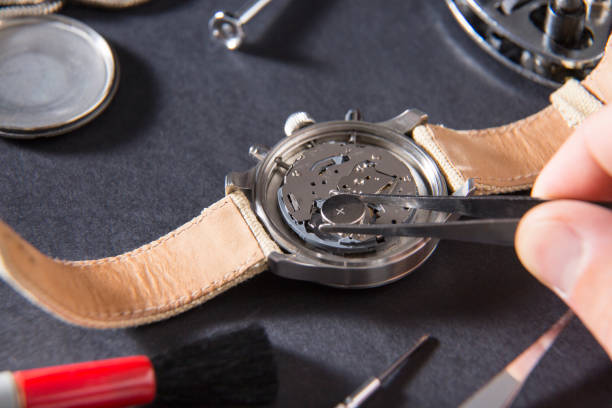
Powered by a battery, quartz movements use an electronic oscillator regulated by a quartz crystal to keep time. The crystal vibrates at a precise frequency (32,768 times per second) when electrified, creating exceptional accuracy—typically ±15 seconds per month. Quartz watches feature a distinct “tick” second hand and require battery replacement every 1–5 years. They’re affordable, low-maintenance, and highly accurate.
Automatic (Self-Winding) Movement
A subtype of mechanical movement, automatics harness energy from the natural motion of your wrist. A weighted rotor spins as you move, winding the mainspring that powers the watch. No battery required—but if left unworn for 40–72 hours (depending on power reserve), it will stop and need manual winding or wearing to restart. Automatics feature a smooth, sweeping second hand and typically keep time within ±5 to ±20 seconds per day.
Manual (Hand-Wound) Mechanical Movement
The traditional mechanical movement requires daily winding via the crown to tension the mainspring. Like automatics, they offer that coveted sweeping seconds motion and mechanical charm, but demand more user involvement. Accuracy ranges similarly to automatics (±5 to ±20 seconds daily).
Pro Tip:If accuracy and convenience matter most, choose quartz. If you appreciate craftsmanship, heritage, and the engineering behind an in-house movement, opt for an automatic or manual mechanical watch that showcases the brand’s own manufacture caliber.
2. Water Resistance: What Those Numbers Actually Mean
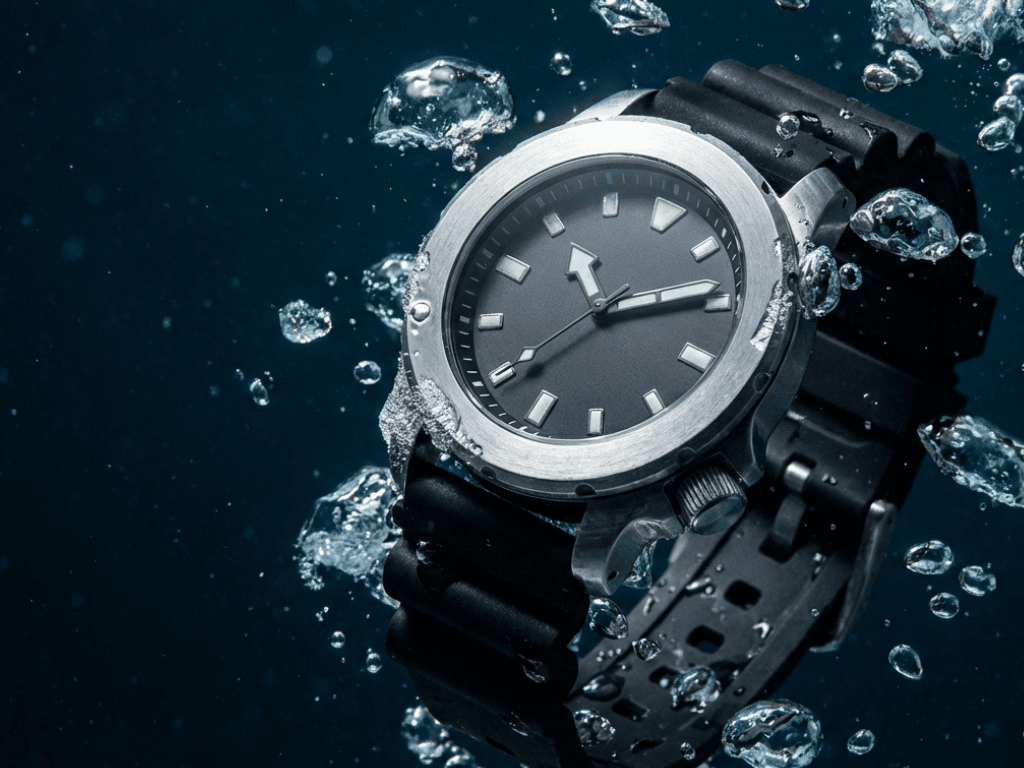
Water resistance is measured in meters (m), atmospheres (ATM), or bars (1 ATM = 1 bar ≈ 10 meters). Crucially, these ratings indicate pressure resistance during static testing—not actual diving depth capability.
| Rating | Real-World Use | Important Notes |
|---|---|---|
| 30m / 3 ATM | Splash resistant only | Safe for handwashing; not for swimming www.fraserhart.co.uk |
| 50m / 5 ATM | Light swimming | Suitable for brief pool immersion, not diving |
| 100m / 10 ATM | Swimming & snorkeling | Good for recreational water activities |
| 200m+ / 20+ ATM | Scuba diving | Must meet ISO 6425 standard for true dive watches |
Critical Standards to Know:
- ISO 22810: Governs everyday water-resistant watches (non-dive).
- ISO 6425: The official standard for dive watches. Requires testing beyond rated depth, legibility in darkness, magnetic resistance, and a unidirectional bezel.
Reality Check: Water resistance degrades over time as gaskets age. Have seals checked every 1–2 years if you regularly expose your watch to water.
3. Crystal Types: Protecting Your Dial
The crystal is the transparent cover protecting the dial. Three materials dominate:
Sapphire Crystal
Synthetic sapphire (aluminum oxide) ranks 9 on the Mohs hardness scale second only to diamond. Virtually scratch-proof under normal wear, it offers superior clarity but can shatter on sharp impact. Often features anti-reflective coating to reduce glare caused by its high refractive index found on mid-range to luxury watches.
Mineral Crystal
Tempered glass hardened through thermal or chemical treatment. More affordable than sapphire and offers decent scratch resistance (though significantly less—sapphire is approximately 9x harder) More flexible than sapphire, making it less prone to shattering. Common on entry-level and dress watches.
Acrylic (Hesalite)
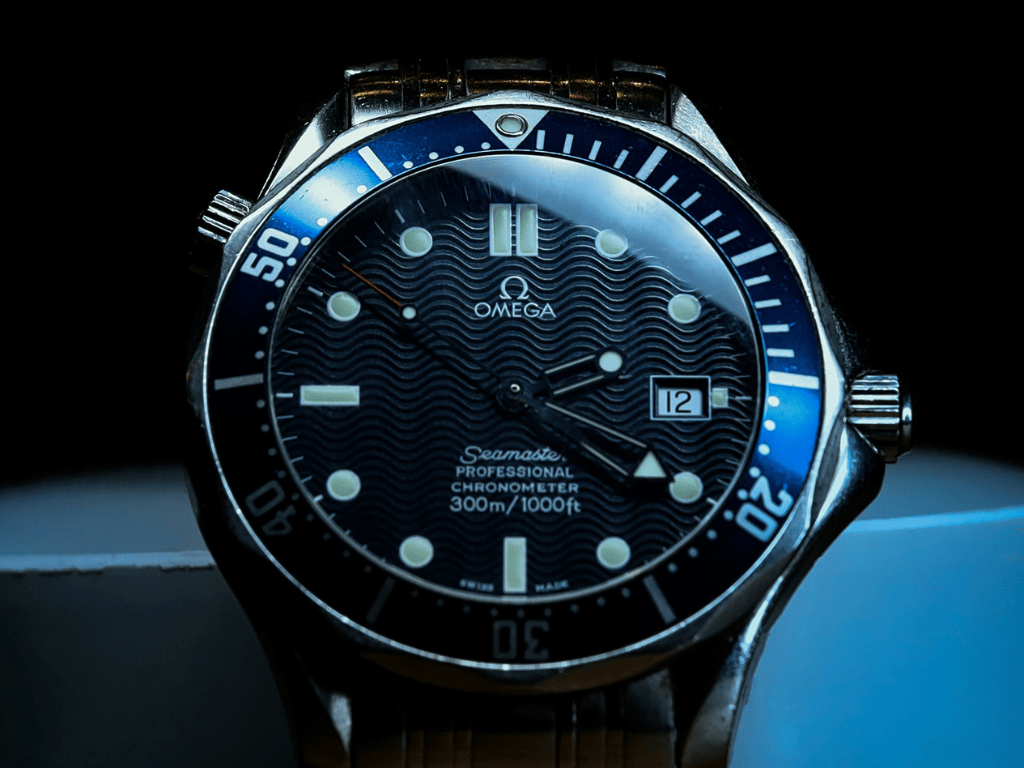
Vintage-style plastic crystal. Scratches easily but can be polished out at home. Nearly shatterproof and offers a distinctive warm, slightly domed look. Still used by brands like Omega on certain Speedmaster models for its retro appeal.
4. Case Materials: Durability Meets Aesthetics
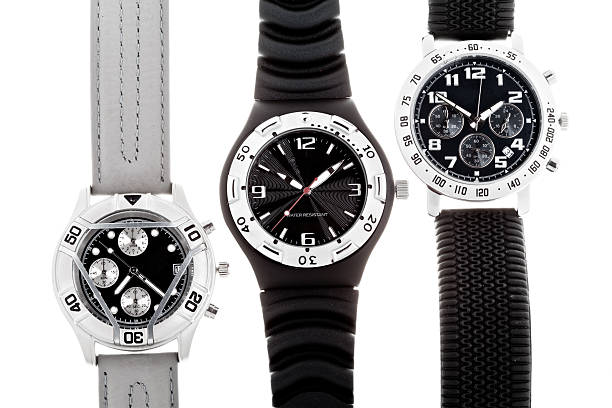
Stainless Steel (316L or 904L)
The industry standard. 316L is surgical-grade steel used by most luxury brands. Rolex’s 904L offers superior corrosion resistance and takes polish better but the real-world difference is minimal for most wearers.
Titanium
45% lighter than steel with excellent corrosion resistance. Hypoallergenic and develops a subtle matte patina. More expensive to machine, so often found on professional/tool watches.
Ceramic
Extremely scratch-resistant and lightweight with a modern, high-gloss finish. Can be brittle under sharp impact. Often used for bezels (Rolex Cerachrom) or entire cases in luxury sports watches.
Precious Metals
Yellow, white, or rose gold (typically 18k) and platinum offer luxury appeal but scratch more easily than steel. Gold is softer; platinum is denser and more durable but significantly heavier.
5. Power Reserve: How Long Your Watch Runs Unworn
Relevant only for mechanical watches (automatic/manual). Measured in hours, it indicates how long the watch continues running after fully wound and removed from the wrist.
- Standard: 40–48 hours (most common)
- Extended: 70+ hours (e.g., Tudor, Grand Seiko)
- Exceptional: 5+ days (e.g., Rolex 70-hour, IWC 8-day movements)
If you rotate multiple watches, consider one with 70+ hours to avoid resetting between wears.
6. Complications: Functions Beyond Timekeeping
A “complication” is any function beyond displaying hours, minutes, and seconds.
Essential Complications:
- Date: Simple window or subdial showing the calendar date
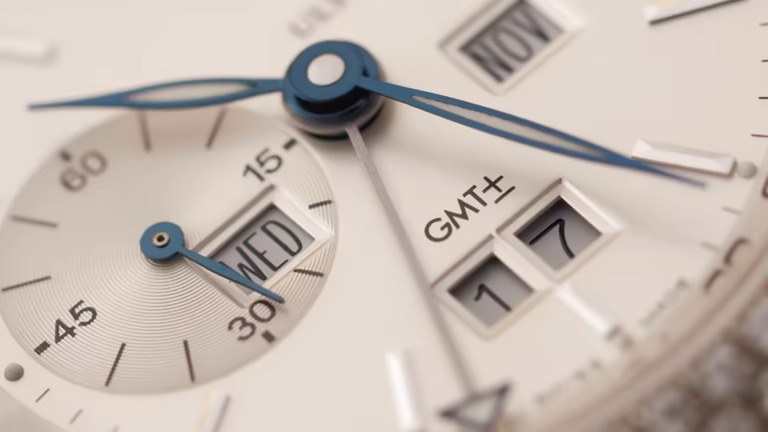
- Day-Date: Displays both day of week and date (Rolex Day-Date is iconic)
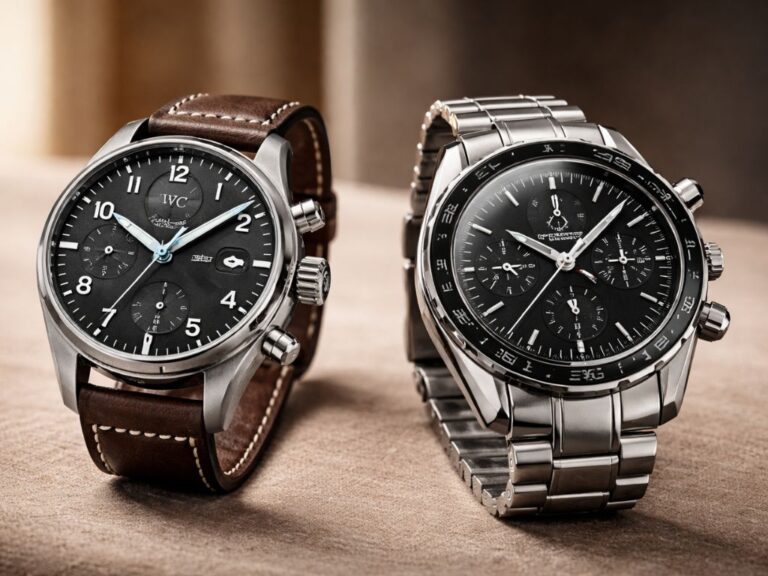
- Chronograph: Stopwatch function with subdials for measuring elapsed time
- GMT: Additional hour hand tracking a second time zone-ideal for travelers
- Moonphase: Decorative display showing lunar cycle (primarily aesthetic today)
Advanced Complications:
- Perpetual Calendar: Automatically adjusts for month lengths and leap years (accurate until 2100)
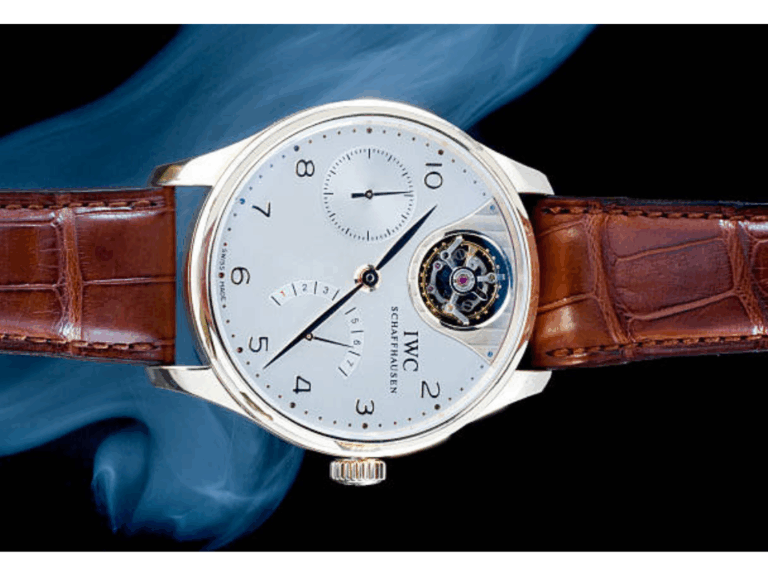
- Tourbillon: Rotating cage counteracting gravity’s effect on accuracy—mostly decorative in wristwatches today
- Minute Repeater: Chimes the time audibly on demand—among the most complex mechanical achievements
Beginner Advice: Start with simple watch complications like date, GMT or Dual Time. Save ultra-complicated pieces for when you appreciate their engineering artistry.
7. Case Dimensions: Fit Matters More Than You Think
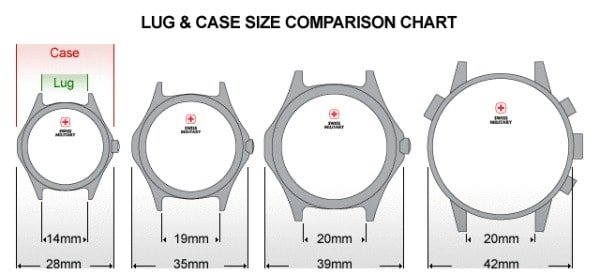
Diameter
Case diameter measured lug-to-lug across the case (excluding crown). Modern preferences:
- 36–40mm: Classic dress watch sizing
- 40–42mm: Versatile everyday size
- 43mm+: Bold sports/tool watch territory
Thickness
Critical for comfort and sleeve clearance. Under 12mm wears elegantly; over 14mm may catch on cuffs. Dive watches often exceed 14mm due to crystal and caseback requirements.
Lug-to-Lug
Distance between the outer tips of the lugs. Determines how the watch wears on your wrist. A 42mm watch with short lugs may wear smaller than a 40mm with long lugs.
Lug Width
The gap between lugs where the strap attaches-determines strap compatibility (e.g., 20mm, 22mm). Critical if you plan to swap straps frequently.
8. Bezel Types: Function or Form?
- Fixed: Decorative only-common on dress watches
- Unidirectional Rotating: Required for ISO 6425 dive watches. Prevents accidental extension of dive time if bumped.
- Bidirectional Rotating: Used for GMT or countdown functions (e.g., Rolex GMT-Master II)
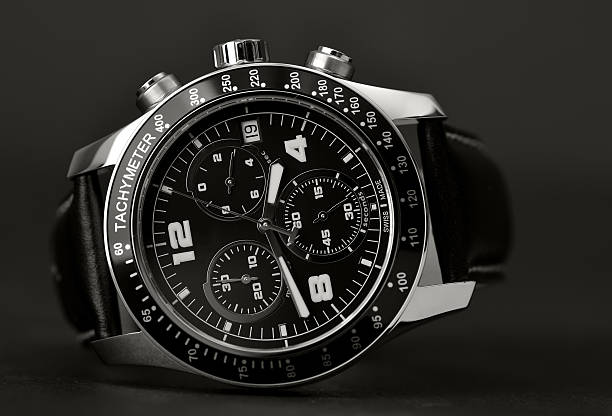
- Tachymeter: Tachymeter Scale measuring speed over distance-paired with chronograph function
- Ceramic/Aluminum Insert: Modern ceramic bezels types resist fading; vintage aluminum develops desirable patina
9. Lume: Legibility in Darkness
Luminous material applied to the hands and hour markers is commonly referred to as watch lume. It allows the dial to remain visible in low-light or complete darkness. The modern industry standard is Super-LumiNova, a non-radioactive photoluminescent pigment that “charges” when exposed to light and glows blue or green in the dark.
Higher-grade variants like Super-LumiNova X1 offer brighter intensity and longer-lasting glow performance. Tritium gas tubes (e.g., Ball Watch, Luminox) glow constantly without charging but are less common.
The Bottom Line: What Specs Actually Matter?
- Daily wear: Prioritize 100m+ water resistance, sapphire crystal, and comfortable dimensions
- Diving: Must have ISO 6425 certification, unidirectional bezel, and 200m+ rating
- Business/dress: Focus on slim profile (<11mm), modest diameter (38–40mm), and elegant finishing
- Travel: GMT complication and robust build quality trump exotic materials
- Value retention: Movement quality (Swiss/Japanese), brand reputation, and condition outweigh flashy complications
Understanding specifications transforms you from a passive shopper into an informed collector. The right specs align with your lifestyle—not marketing hype. A 300m dive watch won’t keep better time than a 50m field watch if both use the same movement. Match the tool to the task, and you’ll wear your watch with confidence for years to come.
Leave a Comment