


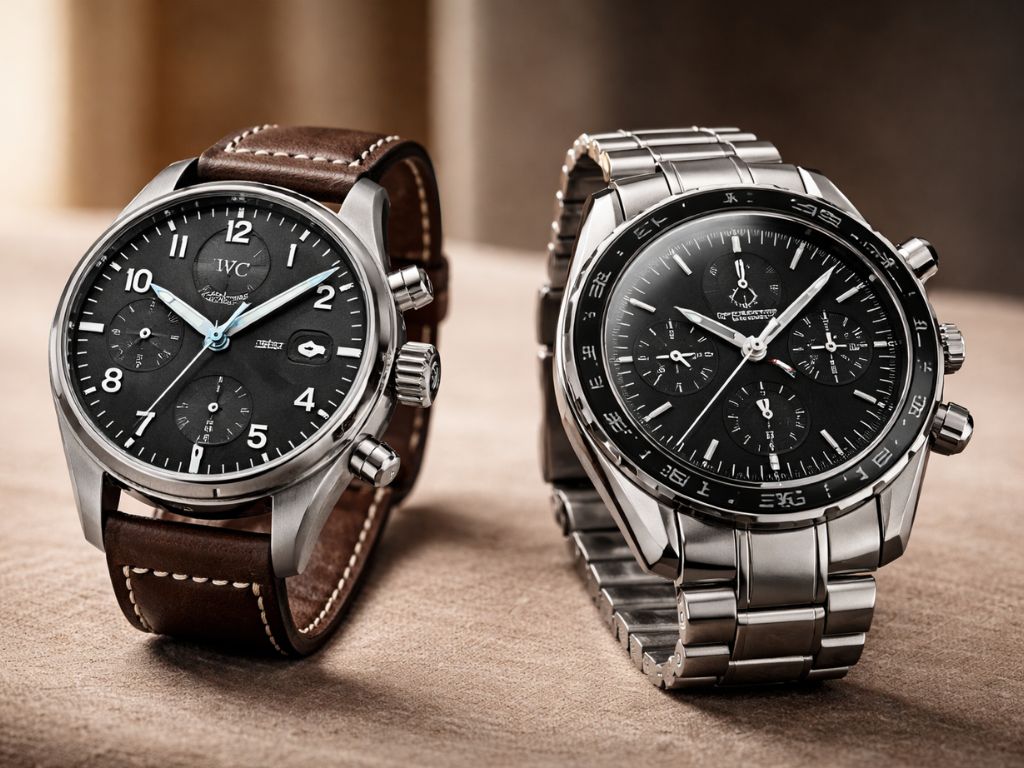

Deciding between IWC or Omega? You’re not alone. These two iconic Swiss luxury watch brands dominate conversations among collectors, enthusiasts, and first-time buyers searching for “IWC vs Omega” or “Omega vs IWC which is better.”
Both deliver exceptional craftsmanship, but they cater to different tastes: IWC Schaffhausen excels in aviation-inspired pilot watches and refined dress pieces, while Omega shines with adventure-ready divers and legendary chronographs tied to space and cinema.
In this comprehensive luxury watch brand comparison, we’ll dive into history, design, iconic models, movements, pricing, value, and more. Whether you’re eyeing an IWC Portugieser, Omega Speedmaster Moonwatch, IWC Big Pilot, or Omega Seamaster, this guide will help you choose the perfect Swiss luxury watch.
A Brief History: IWC vs Omega
IWC (International Watch Company) was founded in 1868 by American engineer Florentine Ariosto Jones in Schaffhausen, Switzerland. It pioneered industrial watchmaking using the Rhine River’s hydropower. IWC gained fame in the 1930s with the first IWC pilot watches for aviators, followed by the elegant Portugieser (1939) and the Aquatimer dive watch (1967). Today, as part of the Richemont Group, IWC focuses on in-house movements and innovative materials like Ceratanium.
Omega, established in 1848 in La Chaux-de-Fonds, Switzerland (originally as Louis Brandt et Fils), became “Omega” in 1894. It rose to prominence with precision chronometers and Olympic timing (since 1932). The Speedmaster earned “Moonwatch” status in 1969 during Apollo 11, and the Seamaster became James Bond’s signature. Owned by the Swatch Group, Omega emphasizes anti-magnetic Co-Axial technology and accessibility.
Design and Aesthetics: IWC vs Omega
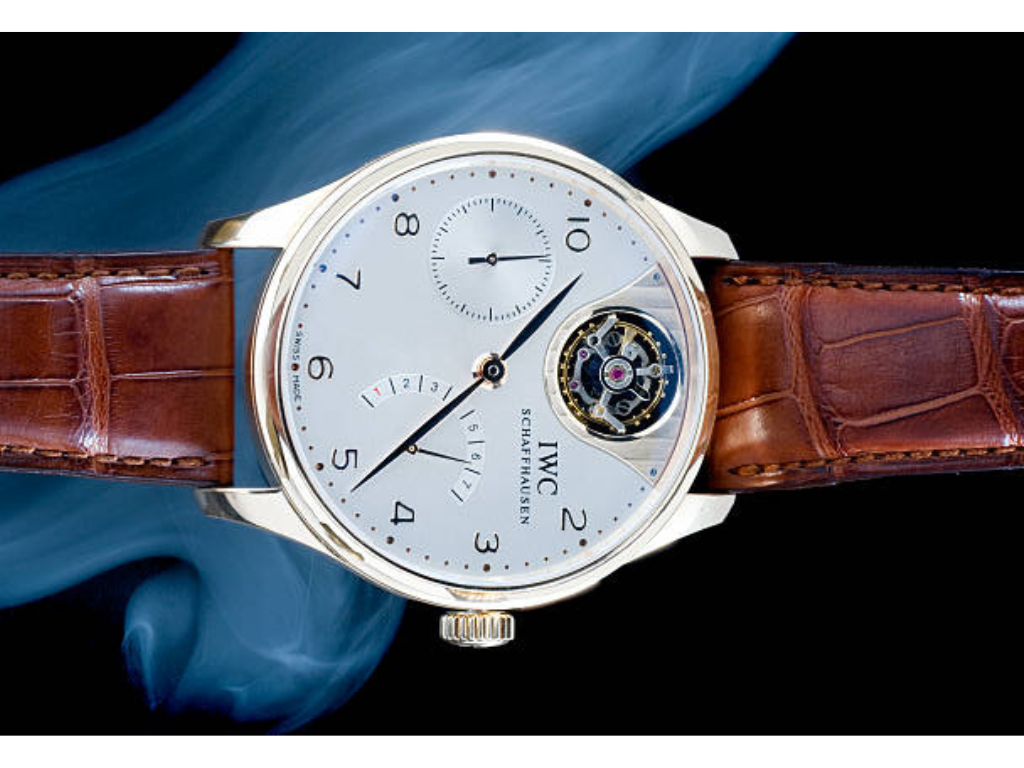
IWC watches emphasize clean, tool-watch minimalism with a premium, understated elegance. Think large, legible dials on Big Pilot models or the classic Arabic numerals on IWC Portugieser. Cases often use titanium, bronze, or Ceratanium for durability and lightness. IWC feels “serious” and versatile, perfect for suits or casual wear.
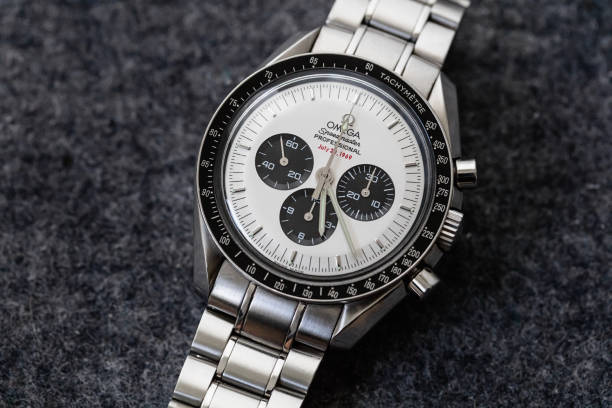
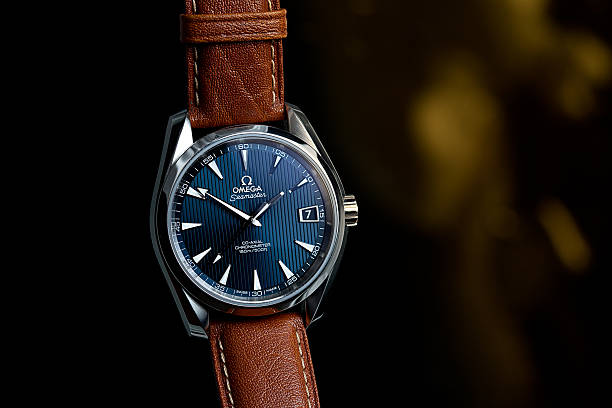
Omega leans bolder and more versatile. The Seamaster offers wave-pattern dials and helium escape valves for divers, while the Speedmaster delivers racing tachymeter bezel and NASA heritage. Omega designs pop with color (e.g., “Summer Blue” dials) and feel sportier, making them everyday heroes.
Iconic Models: Must-Know Comparisons
IWC Aquatimer vs Omega Seamaster Diver 300M
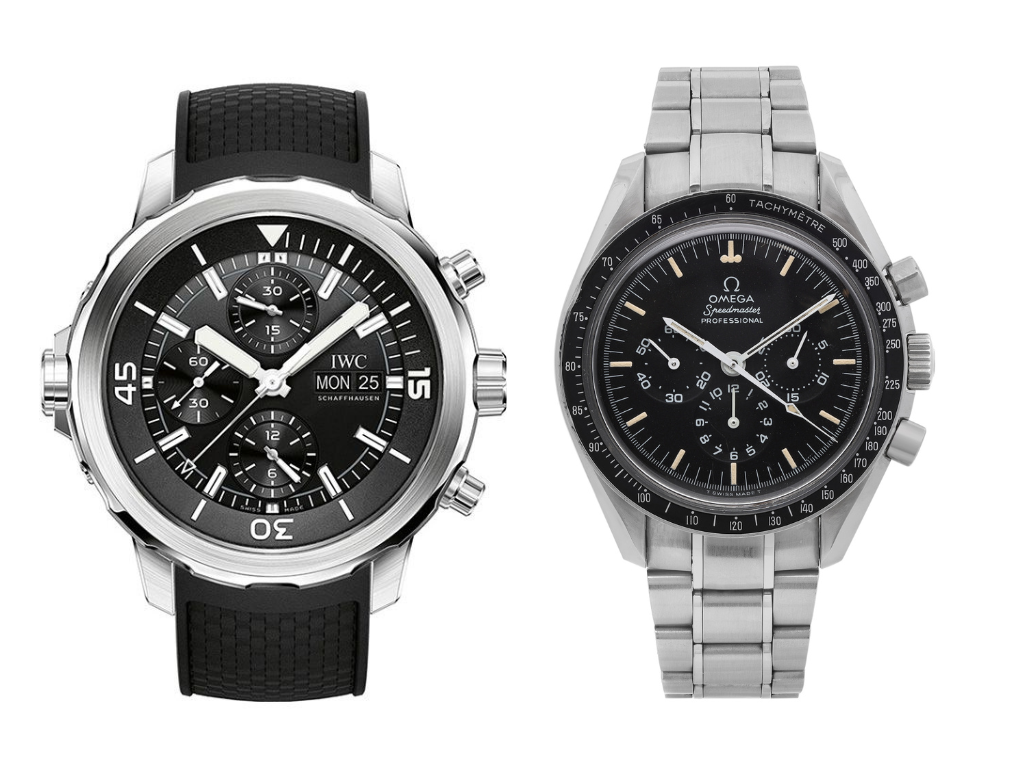
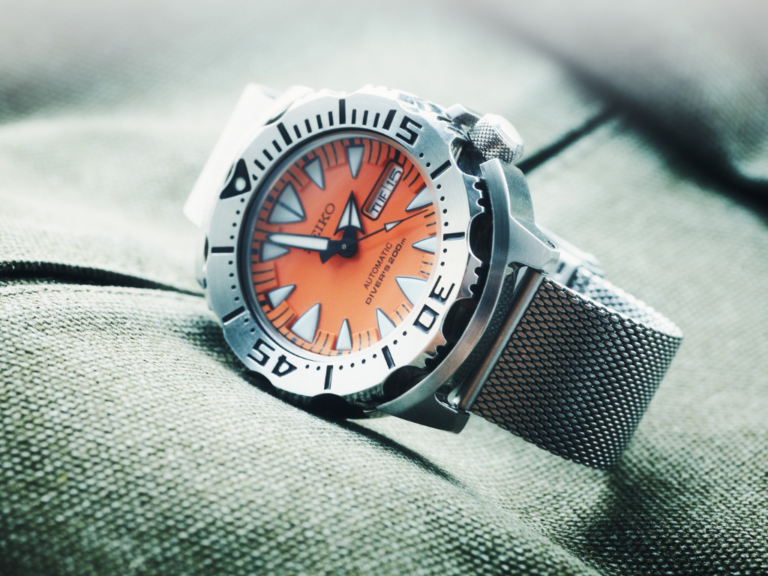
Both are serious dive watches with 300m water resistance. The Omega Seamaster Diver edges ahead with superior anti-magnetic tech (up to 15,000 gauss), helium escape valve for saturation diving, bolder wave dials, and Master Chronometer certification for everyday reliability. The IWC Aquatimer stands out with its unique internal/external bezel system (external ring adjusts inner unidirectional scale for safety), longer 120-hour power reserve in newer in-house models, quick-release strap material, and a more understated, tool-watch aesthetic. Omega wins for technical diving prowess and pop culture appeal; IWC for refined build quality and uniqueness. Many enthusiasts call the Seamaster the better “pro diver,” while Aquatimer feels like a gentleman’s tool watch.
IWC Portugieser vs Omega Aqua Terra
These are elegant, versatile daily wearers. The IWC Portugieser offers slim profiles (often under 10mm thick), classic Arabic numerals, in-house movements with impressive power reserves, and timeless dress-watch sophistication—ideal under a cuff. The Omega Aqua Terra brings sportier versatility with teak-inspired dials, 150m water resistance (true “office diver”), Co-Axial movement, and bolder lume/colors for everyday appeal. Aqua Terra often wins as the ultimate GADA (go-anywhere-do-anything) watch for its comfort and modernity; Portugieser shines for pure elegance and horological purity.
IWC Big Pilot vs Omega Speedmaster
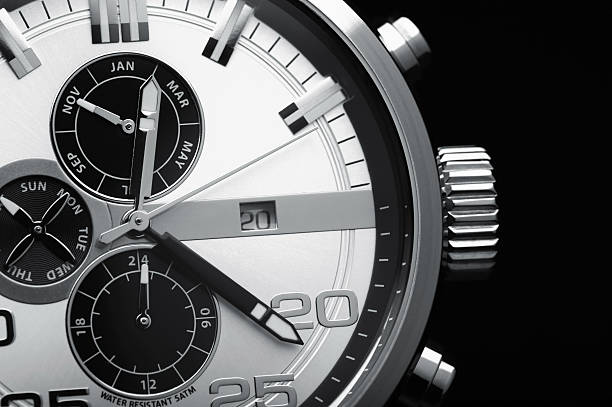
The IWC Big Pilot (often 46mm) is a massive, legible aviation icon with huge crown, soft-iron inner cage for antimagnetism, and robust pilot heritage—perfect as a bold statement piece. The Omega Speedmaster Moonwatch is the legendary chronograph with NASA Moon-landing history, tachymeter bezel, symmetrical sub-dials, and timeless racing/sci-fi vibe. Speedmaster wins on iconic status, collectibility, and heritage; Big Pilot on size, presence, and daily toughness (better water resistance, power reserve). For chronograph watches, Speedmaster is the cultural king, while Big Pilot feels more exclusive and tool-oriented.
Movements and Technology: Engineering Showdown
Both brands now produce in-house watch movements, but approaches differ:
- Omega: Co-Axial escapement (less friction, longer service intervals) and Master Chronometer certification (anti-magnetic up to 15,000 gauss). Excellent for everyday reliability.
- IWC: Pellaton winding systems for robust power reserves (up to 7 days in some models). Focus on precision and innovations like Ceratanium cases.
Price and Value: IWC or Omega for Your Budget?
Luxury watches aren’t cheap, but here’s the 2026 reality:
| Feature | Omega | IWC Schaffhausen |
|---|---|---|
| Entry-Level Price | $5,000–$8,000 (e.g., Aqua Terra) | $6,000–$10,000 (e.g., Mark XX) |
| Mid-Range | $8,000–$15,000 | $12,000–$20,000 |
| Flagship | $15,000–$30,000+ | $20,000–$50,000+ |
| Average Retail | ~$4,000–$7,000 | ~$7,000–$10,000 |
| Resale Value | Stronger (drops ~29% from retail) | Weaker (drops ~32% from retail) |
Omega offers better entry points and resale (thanks to Bond and Moonwatch hype). IWC feels more exclusive but depreciates faster. Both hold value better than most brands, far above fashion watches.
Resale Value & Investment Potential: Critical Data for 2026
Understanding secondary market performance is essential for investment-minded collectors:
- Omega holds approximately 71.2% of retail value on average after three years for core models like the Speedmaster Professional and Seamaster Diver 300M. The brand commands the second-highest market share in the pre-owned luxury watch segment, demonstrating robust demand about.
- IWC has experienced volatility, with some models showing -29.1% value retention according to 2023 Morgan Stanley reports. However, specific references like the Portugieser Perpetual Calendar and limited editions maintain stronger performance. Entry-level IWC models typically retain 60–65% of retail value.
Key Insight: Omega benefits from broader brand recognition and pop culture associations (Bond, NASA), creating consistent demand across global markets. IWC watches appeals to horological purists who value engineering over celebrity, but this narrower audience impacts liquidity.
2026 Market Outlook & Collecting Strategy
The luxury watch market is projected to grow from $54.31 billion in 2025 to $72.13 billion by 2030 (CAGR 5.84%) with Swiss mechanical watches retaining 63.58% market dominance. Within this landscape:
- Omega benefits from Swatch Group backing and aggressive marketing partnerships (Olympics, James Bond franchise renewal), ensuring sustained visibility.
- IWC leverages Richemont Group resources while emphasizing limited production runs and haute horology complications to maintain exclusivity.
Pro Tip: For investment purposes, focus on discontinued references with historical significance (Omega Speedmaster “Ed White,” IWC Big Pilot 5002) rather than current-production models subject to market saturation.
Frequently Asked Questions (FAQ)
Q: Does Omega hold value better than IWC?
A: Generally yes. Omega’s Speedmaster and Seamaster Professional lines retain approximately 70–75% of retail value after 3 years versus 60–65% for comparable IWC models, driven by broader global demand
Q: Is IWC more prestigious than Omega?
A: Prestige is subjective. Omega ranks higher in global brand recognition (#2 Swiss brand), while IWC commands deeper respect among horological enthusiasts for movement engineering.
Q: Which brand offers better everyday wearability?
A: Omega’s Seamaster Aqua Terra and Speedmaster Professional offer superior versatility across casual and formal settings. IWC’s Portugieser leans dressier; Pilot’s Watches excel in rugged environments
Q: Are vintage IWC or Omega watches good investments?
A: Vintage Omega Speedmasters (pre-1970) and IWC Mark XI pilots have shown 8–12% annual appreciation over the past decade when authenticated and well-preserved.
Final Verdict:
Declaring a definitive “winner” between IWC and Omega misunderstands their distinct missions. Omega delivers accessible luxury with unmatched cultural resonance, ideal for collectors seeking recognition, versatility, and reliable value retention. IWC offers connoisseur-focused engineering with distinctive design language, perfect for those who prioritize mechanical innovation over mainstream appeal.
For most buyers entering luxury watch collecting in 2026, Omega provides the safer entry point with stronger liquidity. For seasoned collectors seeking horological depth beyond brand logos, IWC rewards with engineering excellence that speaks to purists. Ultimately, the right choice aligns with your personal aesthetic, wrist presence preferences, and whether you wear your watch for others to recognise or for your own appreciation of mechanical artistry.
Leave a Comment