


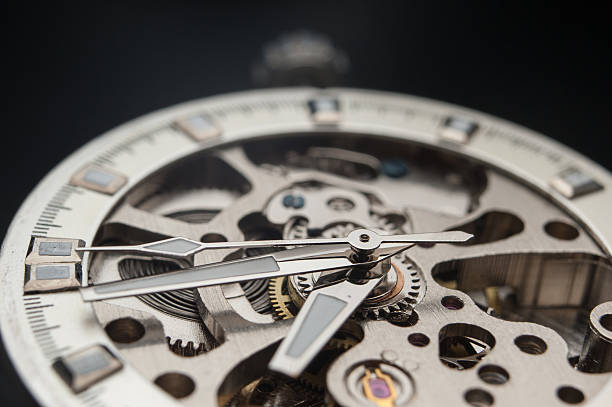

In the world of luxury watches, few terms carry as much weight or controversy as “in-house movement.” Walk into any high-end boutique, and you will hear salespeople emphasise that a timepiece features a manufacture caliber. But what does this actually mean? Is an in-house watch movement inherently superior to a standard ETA movement? And does it justify a higher price tag?
For the modern watch collector, understanding the mechanics behind the marketing is crucial. This guide dives deep into what is an in-house movement, the difference between in-house vs. modified movements, and whether you should prioritise this feature when buying your next timepiece.
Defining the In-House Movement
Strictly speaking, an in-house movement (often referred to as a manufacture movement) is a watch caliber that is designed, developed, and manufactured entirely by the brand selling the watch.
To qualify as truly in-house, the brand must:
- Design the movement architecture themselves.
- Produce the key components (mainspring, balance wheel, escapement, etc.) in their own facilities.
- Assemble and regulate the movement internally.
This level of vertical integration is rare. It requires massive investment in machinery, R&D, and skilled watchmakers. Brands like Patek Philippe, Rolex, Audemars Piguet, and Seiko are famous for their in-house watchmaking capabilities.
The “Swiss Made” Context
Historically, many Swiss brands relied on external movement suppliers, primarily the Swatch Group (which owns ETA). A brand could buy an ETA 2824, put it in a beautiful case, and sell it as a Swiss made watch. While reliable, it wasn’t unique. The shift toward in-house calibers was a way for brands to differentiate themselves and claim higher horological prestige.
In-House vs. ETA/Sellita: The Great Debate
To understand the value of an in-house movement, you must understand the alternative: the ebauche movement.
What is an Ebauche Movement?
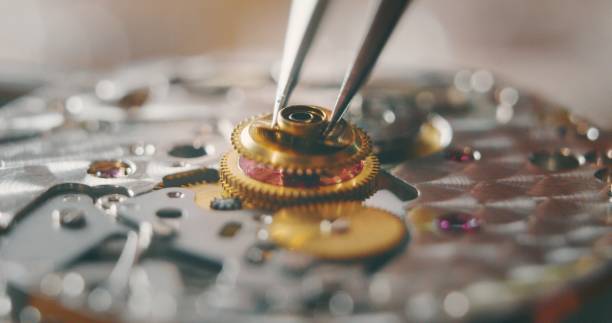
An ebauche is a generic movement blank produced by specialized manufacturers like ETA or Sellita. Many brands purchase these movements and install them into their watches.
- Pros: Proven reliability, easy to service, cost-effective.
- Cons: Lacks exclusivity (many brands use the same engine), limited technical innovation.
Modified Movements: The Grey Area
Many luxury watch brands sit in the middle. They might take an ETA base caliber and modify it significantly adding a custom module, changing the escapement, or refining the finish. Some marketers call this in-house, while purists call it a modified ETA.
- Example: A brand using a Sellita SW200 but adding a proprietary chronograph module.
- Verdict: While not strictly in-house, a heavily modified movement can offer unique functionality without the teething issues of a brand-new caliber.
The Pros of In-House Watch Movements
Why do luxury watch collectors crave in-house calibers? Here are the main benefits:
1. Exclusivity and Prestige
Owning a watch with a manufacture movement means you possess something unique. You aren’t wearing the same engine found in a watch costing half as much. This exclusivity often drives brand prestige.
2. Technical Innovation
When a brand controls the entire movement manufacturing process, they can innovate.
- Rolex developed the Chronergy escapement for efficiency.
- Omega introduced the Co-Axial escapement to reduce friction.
- Seiko created the Spring Drive, blending mechanical and quartz technology. These innovations are rarely possible with generic ETA movements.
3. Better Finishing
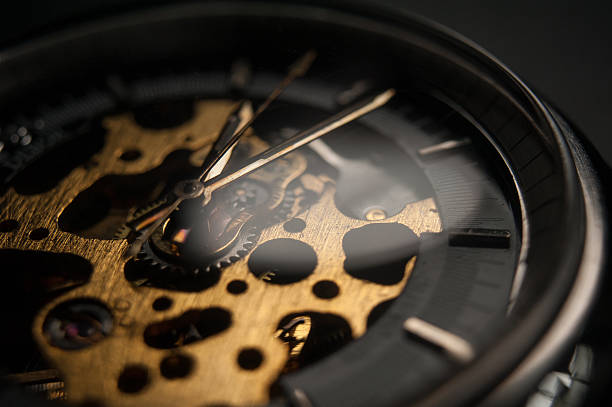
In-house movements are often finished to a higher standard. You might see perlage, Geneva stripes, and beveled edges that are not present on mass-produced generic movements. For watch enthusiasts, the beauty of the movement through a display case back is a major selling point.
4. Resale Value
Generally, watches with in-house movements hold their value better on the secondary gray market. Collectors perceive them as higher horology, which sustains demand over time.

The Cons: Why In-House Isn’t Always Better
Despite the hype, there are downsides to in-house watch calibers that buyers should consider.
1. Servicing Issues
If you own a watch with a common Sellita movement, any competent watchmaker can service it. With a proprietary in-house movement, you are often tied to the brand for watch maintenance and servicing. This can mean higher costs and longer wait times.
2. Reliability Risks
The ETA 2824 has been refined over decades. It is a tank. A brand-new in-house caliber might have unforeseen bugs or issues in its first production run. Sometimes, a proven generic movement is more reliable than an unproven manufacture movement.
3. Higher Cost
Researching and building a movement is expensive. This cost is passed to the consumer. You might pay 30-50% more for an in-house watch compared to a similar spec watch with a modified ETA, even if the timekeeping performance is identical.
Top Brands Known for In-House Movements
If you are looking to invest in in-house horology, these brands are the industry leaders:
- Rolex: Every modern Rolex features an in-house movement (e.g., Caliber 3235), known for ruggedness and precision.
- Patek Philippe: The pinnacle of high watchmaking, producing some of the most complex in-house calibers in the world.
- Omega: Famous for the Co-Axial Master Chronometer movements, resistant to magnetic fields.
- Seiko: A unique Japanese manufacturer that produces everything in-house, from the springs to the lubricants (via Seiko Instruments).
- Zenith: Renowned for the El Primero, one of the first automatic chronograph movements ever made.

Buying Guide: Should You Care About In-House?
When shopping for luxury watches, should “in-house” be your deciding factor?
Yes, if:
- You are buying for investment purposes or long-term collection value.
- You appreciate horological innovation and engineering.
- You want exclusivity and don’t want the same movement as entry-level brands.
No, if:
- You want a reliable daily beater with low maintenance costs.
- You are on a stricter budget (under $2,000).
- You care more about brand design than what beats inside the case.
Pro Tip: Don’t dismiss modified movements. Brands like Tudor (historically) and Longines have made incredible watches using ETA/Sellita bases. The quality of the case, dial, and heritage often matters more than the movement origin for daily wear.
Final Thoughts:
The debate over in-house vs. ETA movements is one of the most discussed topics in horology. While an in-house movement represents the peak of luxury watchmaking innovation and brand independence, it is not the only metric of a great watch.
For the serious collector, owning a manufacture caliber is a point of pride and a marker of quality. However, for the everyday wearer, a well-made watch with a reliable modified movement can offer just as much joy. Ultimately, the best movement is the one that keeps you on time and brings a smile to your wrist every day.


Leave a Comment