


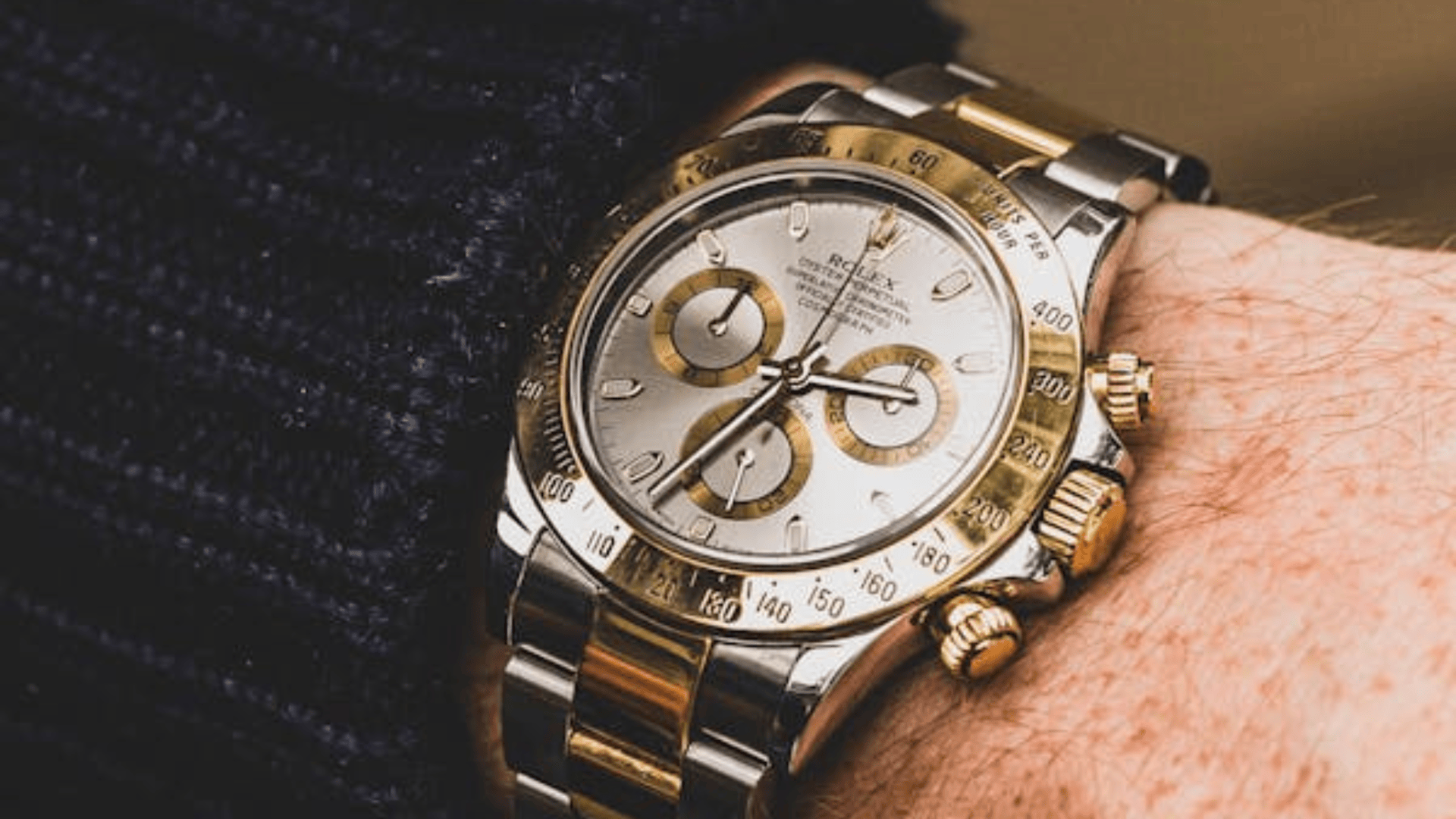

Your definitive resource to understanding chronograph function, history, types, and the most iconic luxury timepieces on the market.
If you’ve ever admired a watch with extra subdials and side pushers, you’ve likely encountered a chronograph wristwatch—one of horology’s most fascinating and functional complications. But what exactly is a chronograph watch, and why has it remained a cornerstone of luxury watchmaking for over two centuries?
Whether you’re a first-time luxury buyer, a seasoned collector, or simply curious about precision timekeeping, this guide will demystify the chronograph. We’ll cover what “chronograph” means, how the function works, its practical and historical uses, the different types available, and which iconic models deserve a spot on your wrist.
By the end, you’ll not only understand the mechanics—you’ll appreciate why a chronograph is more than a tool. It’s a statement of craftsmanship, heritage, and timeless style.
Defining the Chronograph: What Does “Chronograph” Mean in Watches?
Let’s start with the basics. The word chronograph comes from the Greek chronos (time) and graphin (to write). Literally, it means “time writer”—a device that records elapsed time.
In watchmaking, a chronograph is a timepiece with an independent stopwatch function, allowing you to measure intervals without interrupting the main time display. Think of it as a wristwatch and a precision timer in one elegant package.
Quick Visual Identifier:
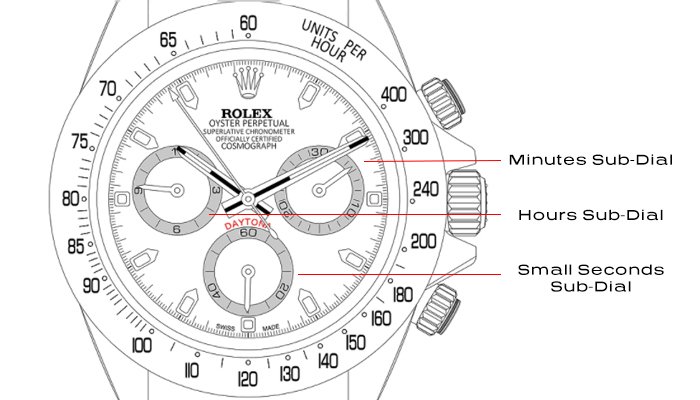
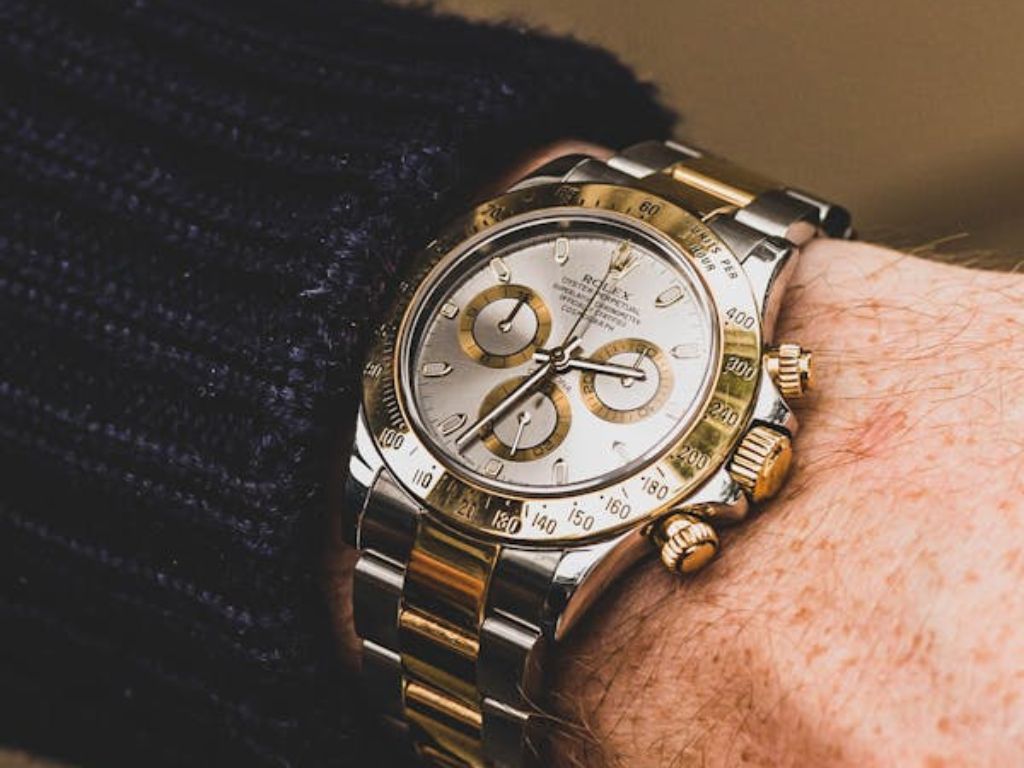
- Two or three smaller subdials on the main dial
- Two pushers (buttons) on the side of the case—typically at 2 o’clock (start/stop) and 4 o’clock (reset)
- A central seconds hand that remains stationary until the chronograph is activated
Common Confusion Alert:
A chronograph is not the same as a chronometer.
- Chronograph = stopwatch function
- Chronometer = a watch certified for precision accuracy (often by COSC in Switzerland)
Many luxury chronographs are also chronometers—but the terms aren’t interchangeable.
How Does a Chronograph Function Work?
Understanding the chronograph function unlocks a deeper appreciation for the engineering behind your wrist. Let’s break it down.
The Basic Mechanics
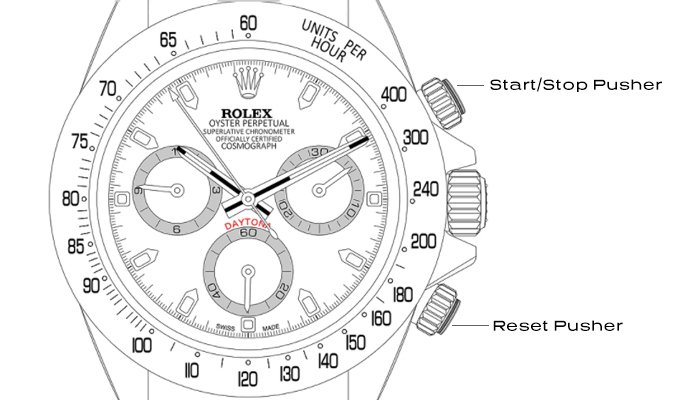
When you press the top pusher (usually at 2 o’clock), you start the chronograph. The central seconds hand begins sweeping, while subdials track elapsed minutes and hours. Press the same button again to stop timing. Press the lower pusher (at 4 o’clock) to reset all hands to zero.
Typical Subdial Layout:
| Subdial Position | Function |
|---|---|
| 3 o’clock | 30-minute counter |
| 6 o’clock | Running seconds (for main time) or 12-hour counter |
| 9 o’clock | 12-hour counter or small seconds |
Note: Layouts vary by brand and model. Some chronographs feature a single 60-minute counter or a “totalizer” display.
Mechanical vs. Quartz Chronographs
Not all chronographs are created equal. The movement type dramatically impacts performance, price, and prestige.
Mechanical Chronographs
- Powered by a mainspring, wound manually or automatically via wrist motion
- Feature intricate components like column wheels or cam systems to control the start/stop/reset sequence
- Prized for craftsmanship, smooth sweeping seconds hands, and heritage
- Require servicing every 3–5 years
- Examples: Rolex Daytona (Calibre 4130), Omega Speedmaster (Calibre 3861)
Quartz Chronographs
- Battery-powered with electronic regulation
- Offer superior accuracy (±15 seconds/month vs. ±5–10 seconds/day for mechanical)
- Often more affordable and lower maintenance
- Feature “jumping” seconds hands and instant-reset functions
- Examples: TAG Heuer Formula 1, Breitling Endurance Pro
Hybrid & Innovation
Modern luxury brands are bridging the gap:
- Solar-powered chronographs (Citizen Eco-Drive)
- Smart-hybrid models (Tag Heuer Connected: mechanical aesthetics with digital functionality)
- High-beat movements (Zenith El Primero: 36,000 vph for 1/10th-second precision)
Pro Tip: When browsing, check the movement designation. “Automatic chronograph” signals mechanical craftsmanship; “Quartz chronograph” prioritizes precision and value.
What Is a Chronograph Wristwatch Used For?
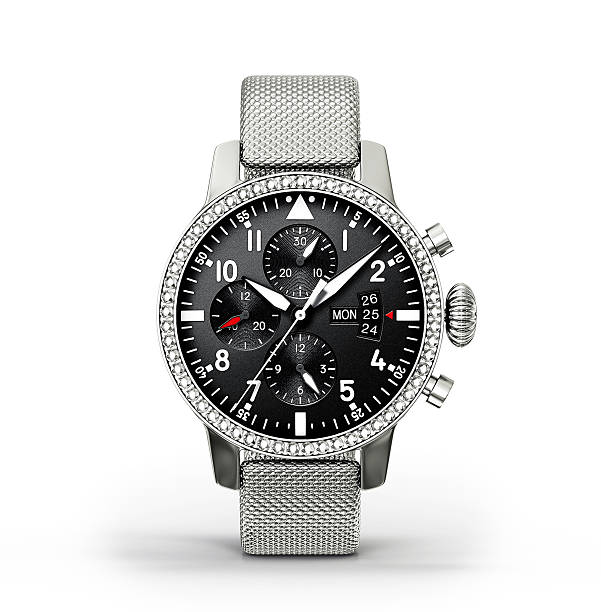
While today’s chronographs are often worn for style, their origins are deeply rooted in utility.
Historical Applications
- Horse Racing (1820s): Louis Moinet created the first chronograph to track lap times
- Aviation (1930s–40s): Pilots used chronographs for navigation calculations and fuel timing
- Motorsports (1960s+): The Rolex Daytona became synonymous with endurance racing at Le Mans
- Space Exploration (1969): The Omega Speedmaster was the first watch worn on the moon—NASA chose it for its reliable chronograph function during critical mission phases
- Military & Diving: Chronographs helped coordinate operations and calculate decompression stops
Modern Practical Uses
You don’t need to be an astronaut to benefit from a chronograph:
- Time your workout intervals or running splits
- Keep track of cooking times without pulling out your phone
- Measure parking meter sessions
- Medical professionals timing pulses or procedures
- Photographers calculating long exposures
- Professionals managing meeting durations or presentation timers
The Luxury Appeal
Beyond utility, chronographs represent horological artistry:
- Complex movements showcase a brand’s technical mastery
- Intricate dial designs (guilloché, enamel, skeletonized) turn function into art
- Heritage models carry stories of innovation and adventure
- Limited editions and bespoke configurations offer exclusivity
As one collector puts it: “A chronograph isn’t just about timing—it’s about owning a piece of engineering poetry.”
Types of Chronographs: From Classic to Cutting-Edge
Not all chronographs function the same way. Here are the key variations every enthusiast should know.
By Layout & Operation
Standard Chronograph
The most common type. Features start/stop and reset pushers, with subdials for minutes and hours elapsed. Ideal for everyday use.
Example: Omega Speedmaster Professional
Flyback Chronograph
Allows you to reset and restart the timer instantly with a single press of the reset pusher—no need to stop first. Crucial for pilots timing consecutive legs.
Example: Longines Flyback, Breitling Navitimer B01
Rattrapante (Split-Seconds) Chronograph
Features two central seconds hands. One can be stopped to record an intermediate time while the other continues—perfect for timing multiple competitors. Highly complex and prestigious.
Example: Patek Philippe Ref. 5370, A. Lange & Söhne Double Split
Monopusher Chronograph
Uses a single crown-mounted or case-side pusher to start, stop, and reset. Elegant and minimalist, though less practical for rapid timing.
Example: Blancpain Villeret Flyback Chronograph
By Movement & Innovation
Column Wheel vs. Cam-Actuated
- Column Wheel: A vertical gear with “teeth” that precisely controls the chronograph sequence. Smoother operation, higher cost, prized by collectors.
- Cam System: Uses a shaped lever to trigger functions. More robust and affordable, common in entry-luxury pieces.
Integrated vs. Modular Movements
- Integrated: The chronograph mechanism is built into the base movement from the ground up (e.g., Rolex Calibre 4130). More elegant, efficient, and serviceable.
- Modular: A chronograph module is added to an existing movement. Cost-effective but can increase thickness.
Specialized Scales
Many chronograph bezels or dials include calculation aids:
- Tachymeter: Measures speed over a known distance (e.g., “How fast did I drive that mile?”)
- Pulsometer: Calculates heart rate in beats per minute
- Telemeter: Estimates distance of lightning or explosions based on sound travel time
Fun Fact: The Omega Speedmaster’s tachymeter bezel helped astronauts estimate spacecraft docking speeds during the Apollo missions.
Iconic Chronograph Wristwatches in Luxury Watchmaking
Ready to explore the legends? These models define the chronograph category.
The Hall of Fame
| Model | Brand | Why It’s Iconic | Starting Price (Approx.) |
|---|---|---|---|
| Daytona | Rolex | The ultimate racing chronograph; legendary waitlists; Calibre 4130 in-house movement | $15,000+ (retail), $30K+ (market) |
| Speedmaster Professional “Moonwatch” | Omega | First watch on the moon; NASA-certified; manual-wind heritage | $6,500 |
| Navitimer | Breitling | Aviation staple with circular slide rule bezel for flight calculations | $8,500 |
| Carrera | TAG Heuer | Born from 1960s motorsport; sleek, legible, versatile | $4,500 |
| Royal Oak Chronograph | Audemars Piguet | Luxury sports watch with integrated bracelet and haute horlogerie finish | $30,000+ |
| Chronomat | Breitling | Robust, tool-watch aesthetic with rider tabs and in-house B01 movement | $9,200 |
Entry-Luxury Gems (Under $5,000)
- Tudor Black Bay Chrono: In-house MT5813 movement, vintage-inspired design, exceptional value
- Longines Column Wheel Chronograph: Classic elegance with traditional column wheel mechanics
- Oris Chronoris: Retro racing style with modern reliability
- Hamilton Intra-Matic Chrono: American heritage, Swiss precision, H-51 movement
Pro Insight: When investing in a luxury chronograph, prioritize brands with in-house movements, strong service networks, and timeless design. These factors support long-term value and wearability.
How to Choose Your First Chronograph Wristwatch
Buying your first chronograph is exciting—but overwhelming. Use this checklist to narrow your search.
Budget Realistically
- $500–$2,000: Quality quartz or entry mechanical (Hamilton, Tissot, Seiko Prospex)
- $2,000–$7,000: Premium mechanical with in-house or refined ETA/Valjoux movements (Longines, Tudor, Oris)
- $7,000+: Haute horlogerie, iconic models, investment pieces (Omega, Breitling, Rolex)
Remember: Factor in servicing costs ($300–$1,000+ every 3–5 years for mechanical models).
Fit & Comfort Matter
- Case Diameter: 38–42mm suits most wrists; >44mm may feel bulky
- Lug-to-Lug: Should not overhang your wrist bone
- Thickness: Chronographs run thicker (12–15mm common); ensure it slides under shirt cuffs if needed
- Bracelet vs. Strap: Bracelets offer durability; leather/rubber add versatility
Try before you buy: A chronograph’s pushers should feel crisp, not mushy. Test the start/stop/reset sequence in-store.
Match Your Lifestyle
| If You… | Consider |
|---|---|
| Wear suits daily | Slimmer dress chronographs (Jaeger-LeCoultre Master Control, Nomos Glashütte) |
| Love outdoor adventures | Robust, water-resistant models (Breitling Superocean Heritage, Omega Seamaster) |
| Want one watch for everything | Versatile sports chronographs (Tudor Black Bay Chrono, TAG Heuer Carrera) |
| Collect for craftsmanship | Column wheel, hand-finished movements (Patek Philippe, A. Lange & Söhne) |
Movement Preference: Soul vs. Precision
- Choose mechanical if you value tradition, sweeping hands, and the ritual of winding.
- Choose quartz if you prioritize accuracy, low maintenance, and everyday reliability.
- Hybrid tip: Some brands offer “mechanical-look” quartz movements for the aesthetic without the servicing.
Caring for Your Chronograph: Pro Tips
A chronograph is an investment. Protect it with these expert practices.
Pusher Protocol
- Never operate pushers underwater unless the watch is explicitly rated for it (e.g., Omega Seamaster Chronograph). Water ingress is a leading cause of chronograph failure.
- Avoid pressing pushers when the watch is fully wound (for manual-wind models) to reduce stress on the movement.
Servicing Schedule
- Mechanical chronographs: Full service every 3–5 years
- Quartz chronographs: Battery replacement every 2–3 years; gasket check during replacement
- Signs it’s time: Inconsistent timing, stiff pushers, condensation under the crystal.
Daily Care
- Wipe with a soft, dry cloth after exposure to sweat, saltwater, or cosmetics
- Store in a watch box or pouch to prevent scratches on pushers and crystal
- For automatics: Use a watch winder if not worn daily, but avoid over-winding
Travel Smart
- Keep chronographs in carry-on luggage (extreme temperature/pressure changes in cargo holds can affect lubricants)
- Consider a travel case with pusher guards to prevent accidental activation
Final Thoughts: Why a Chronograph Belongs in Your Collection
A chronograph wristwatch is more than a tool—it’s a bridge between heritage and innovation, function and artistry. Whether you’re timing a vintage car lap, tracking a sunrise hike, or simply appreciating the dance of subdials on your wrist, the chronograph connects you to centuries of horological ingenuity.
At TimeLuxury, we believe the right chronograph doesn’t just tell time—it tells your story.


Leave a Comment