


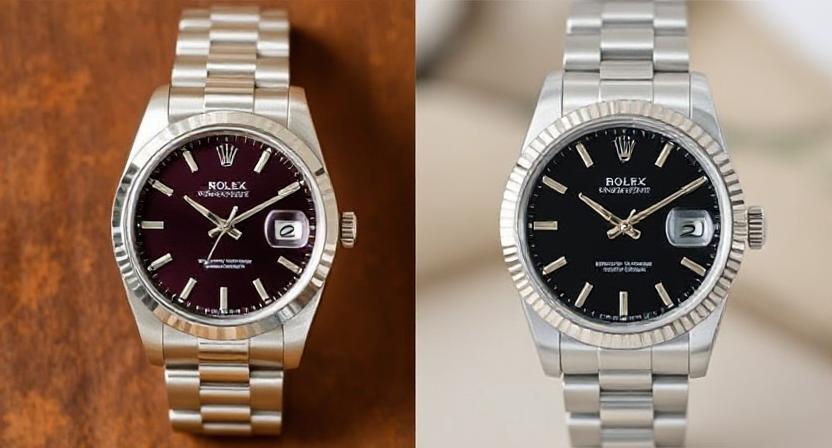

In a world where luxury timepieces like Rolex symbolize status, precision, and timeless elegance, counterfeiters have taken note—flooding the market with convincing fakes that can fool even seasoned buyers. With prices ranging from thousands to hundreds of thousands of dollars, ensuring your Rolex is genuine isn’t just about peace of mind—it’s about protecting a serious investment.
Whether you’ve inherited a watch, scored a “deal” online, or are considering a pre-owned purchase, knowing how to tell if a Rolex watch is real is essential. Below are 7 expert-backed ways to authenticate your Rolex, helping you distinguish the genuine article from a clever imitation.
Rolex Authentication Guide
1. Examine the Cyclops Lens Magnification
One of the most iconic features of a genuine Rolex is the Cyclops lens—a small magnifier over the date window at 3 o’clock. On authentic Rolexes, the rolex symbols magnifies the date 2.5x and is perfectly centered. Counterfeit watches often have weak (1.5x–2x), off-center, or blurry magnification. Tilt the watch under light: real Cyclops lenses reflect light smoothly and clearly.
2. Check the Serial and Model Numbers
Every genuine Rolex has engraved serial and model numbers in specific locations:
- Serial number: Between the lugs at 6 o’clock (on modern models) or on the rehaut (inner bezel) for watches made after 2005.
- Model number: Between the lugs at 12 o’clock.
These engravings are laser-precise, sharp, and deeply etched—not shallow or stamped like on fakes. Use a magnifier to inspect the quality. If they’re missing or poorly done, it’s likely counterfeit.
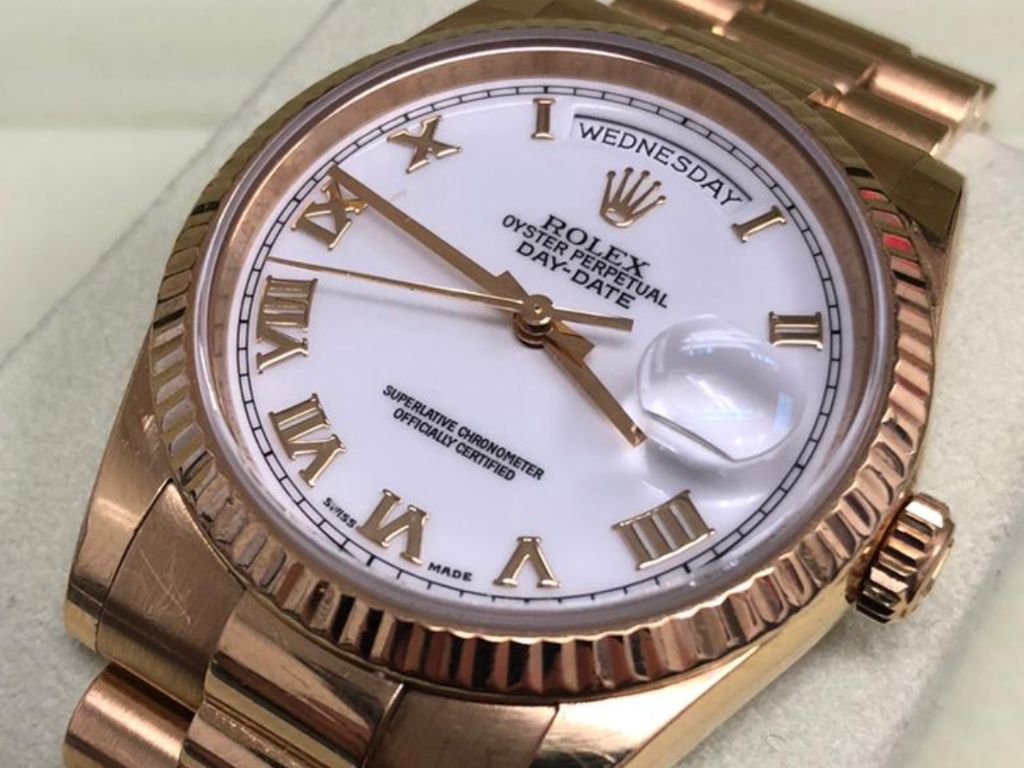
3. Inspect the Movement (Through the Caseback—If Applicable)
Most genuine Rolexes feature solid casebacks—Rolex does not use display casebacks (except for rare vintage models). If you see a skeleton back showing the movement on a “modern” Rolex, it’s almost certainly fake. Rolex movements are in-house movement, finely finished, and bear the Rolex logo. Automatic movements should glide smoothly—not tick like quartz.
Pro tip: Real Rolex watches use mechanical automatic movements, not battery-powered quartz (with rare exceptions like the Oysterquartz).
4. Feel the Weight and Build Quality
Rolex uses high-grade 904L stainless steel, which is denser, heavier, and more corrosion-resistant than the 316L steel used by most brands—and certainly more than the lightweight alloys in fakes. A real Rolex feels substantial and balanced on the wrist. Also, check the clasp: genuine Rolex bracelets have a solid, machined clasp with the Rolex coronet and “Rolex” laser-etched.
5. Observe the Second Hand’s Motion
A hallmark of mechanical luxury watches is the smooth sweep of the second hand. Genuine Rolex movements tick at 28,800 vibrations per hour (8 beats per second), creating a fluid, continuous glide. Most fake Rolexes use cheap quartz movements that tick once per second—a dead giveaway.
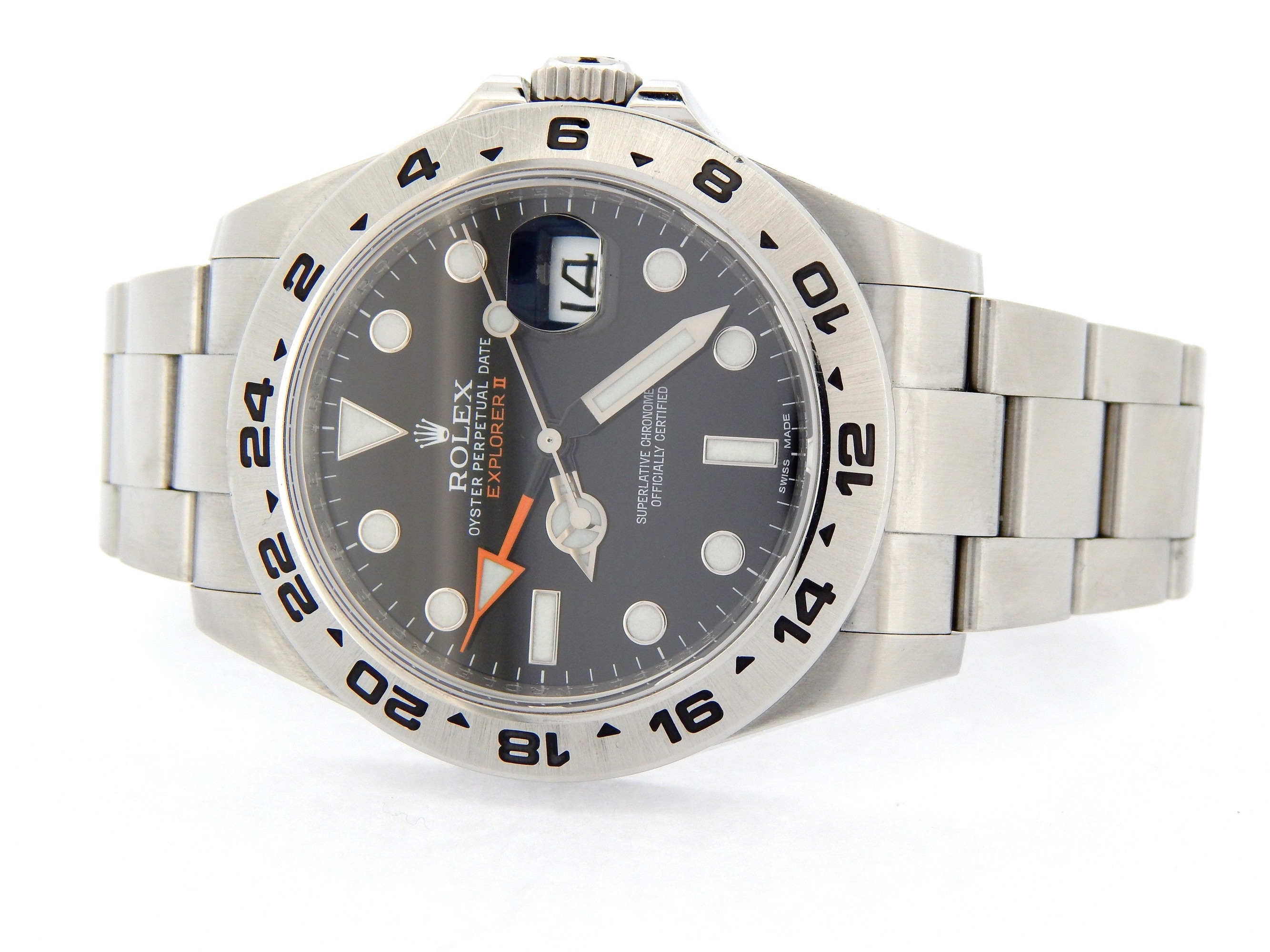
6. Verify the Rehaut (Inner Bezel) Engravings
On Rolexes made after 2005, the rehaut (the ring between the dial and crystal) features laser-engraved “ROLEX ROLEX ROLEX” and tiny coronets. These are precise, consistent, and visible only at certain angles. Fakes often miss this detail entirely or replicate it poorly—too deep, too shallow, or misaligned.
7. Get It Officially Verified
When in doubt, visit an authorized Rolex dealer or a certified watchmaker. They can open the case (without voiding warranty on genuine pieces) and verify the movement, case, and serial numbers against Rolex’s database. You can also request a Rolex Certificate of Authenticity for vintage pieces through official channels.
How to Tell If a Rolex Watch Is Real
If you’re unsure whether your Rolex is genuine, don’t panic—there are clear, telltale signs that separate authentic Rolexes from convincing counterfeits. The table below summarizes the most reliable ways to verify a real Rolex watch at a glance:
| Authentication Check | Real Rolex | Red Flags in a Fake Rolex |
|---|---|---|
| Cyclops Lens Magnification | 2.5x magnification, perfectly centered over the date, smooth light reflection | Weak (1.5x–2x) or blurry magnification; off-center or missing |
| Serial & Model Numbers | Laser-engraved, sharp, deep engravings between lugs or on rehaut (post-2005) | Stamped, shallow, missing, or poorly aligned numbers |
| Caseback | Solid stainless steel with no display window (except rare vintage models) | Clear/skeleton caseback showing movement (fake on modern Rolexes) |
| Weight & Build Quality | Heavy, made of 904L stainless steel; solid-link bracelet; precise finishing | Lightweight; hollow links; cheap or plasticky feel |
| Second Hand Motion | Smooth, continuous sweep (8 ticks per second) | Ticking once per second (quartz movement) |
| Rehaut Engravings | “ROLEX ROLEX ROLEX” + tiny coronets laser-etched on inner bezel (post-2005) | Missing, misaligned, too deep/shallow, or poorly spaced |
| Clasp & Crown Logo | “Rolex” and coronet logo laser-etched on clasp; crown etching sharp and crisp | Missing logo, blurry etching, or stamped instead of engraved |
Final Thoughts
Spotting a fake Rolex requires attention to detail but with these 7 methods, you’re well-equipped to separate fact from forgery. Remember: if a deal seems too good to be true in a gray market , it probably is. Always buy from reputable dealers, request documentation, and when possible, verify before you buy.
Whether you’re a collector, investor, or first-time buyer, owning a genuine Rolex- from the timeless Rolex Datejust to the iconic Rolex Submariner or the highly coveted Rolex Cosmograph Daytona is a badge of craftsmanship and legacy.
Don’t let a counterfeit dim that shine.

Having it inspected by an authorized service center ultimately gave the most confidence.
Having gone through the authentication process, the biggest giveaways were the weight and overall finishing. Getting it checked by an authorized service center sealed the confidence and confirmed it was genuine.
There is certainly a lot to know about this topic.
I love all the points you’ve made.
I love all the points you’ve made.
Great Article. I have face the similar issue regarding the authentication of my rolex watch.
Really interesting Read.