


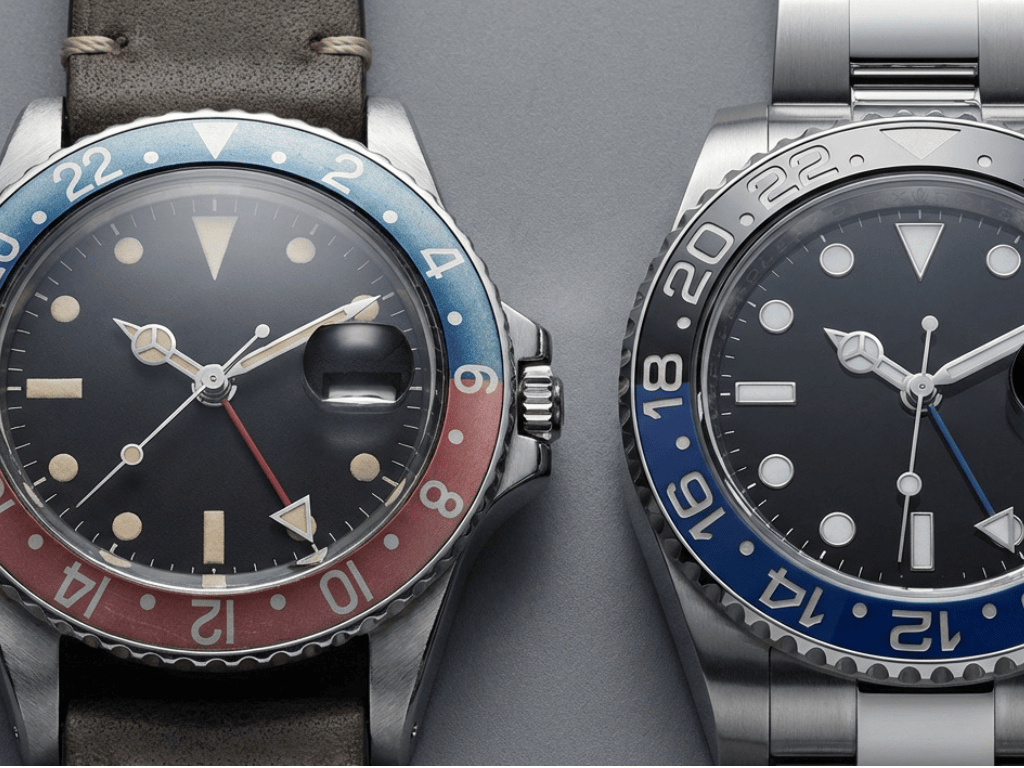

If you’re diving into the world of luxury pilot watches or searching for a timepiece that blends iconic design with true global functionality, the Rolex GMT-Master and GMT-Master II are names you’ve likely encountered—often used interchangeably, but technically very different. While both boast the instantly recognisable “Pepsi”, “Batman”, or “Root Beer” bezels, understanding the distinctions between these two models is crucial, especially if you’re considering a major investment or simply want to impress fellow watch enthusiasts.
In this comprehensive guide, we’ll break down the key differences between the Rolex GMT-Master and GMT-Master II, explore their histories, highlight technical upgrades, and help you decide which one deserves a spot on your wrist.
Rolex GMT-Master History: The Original Pilot’s Watch for Pan Am
Born in 1954 through a partnership with Pan American World Airways, the original Rolex GMT-Master (Ref. 6542) was engineered for airline pilots navigating intercontinental routes. It featured a 24-hour rotating bezel and a dedicated GMT hand, enabling crews to monitor both local and home-base time a game-changer in mid-century aviation.
This heritage cements the GMT-Master as one of the most iconic vintage Rolex models ever created, prized today by collectors for its tool-watch authenticity and retro charm.
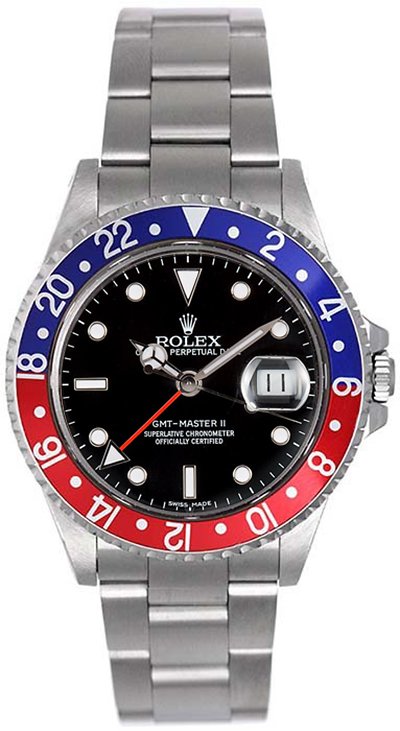
GMT-Master II vs Original GMT-Master: What’s the Real Difference?
While they share a name and aesthetic DNA, the Rolex GMT-Master II launched in 1982- is far more than a simple update. It solved a major limitation of the original: the inability to adjust time zones independently. This functional leap redefined what a dual-time watch could do.
Let’s compare them side by side in the areas that matter most to buyers in 2025.
Independent Hour Hand: Why the GMT-Master II Is Better for Travelers
This is the 1 practical upgrade that defines the GMT-Master II.
- Original GMT-Master: The hour and GMT hands move together. Changing time zones forces you to reset the entire time display—disrupting your local time.
- GMT-Master II: Features Rolex’s innovative “jumping hour” mechanism, allowing you to adjust the local hour hand independently—in one-hour jumps—without touching the minutes or GMT hand.
Result? You can track three time zones at once:
- Local time (hour/minute hands)
- Home time (GMT hand)
- A third zone using the 24-hour bezel
For digital nomads, business travelers, or expats, this makes the GMT-Master II the best GMT watch for international travel.
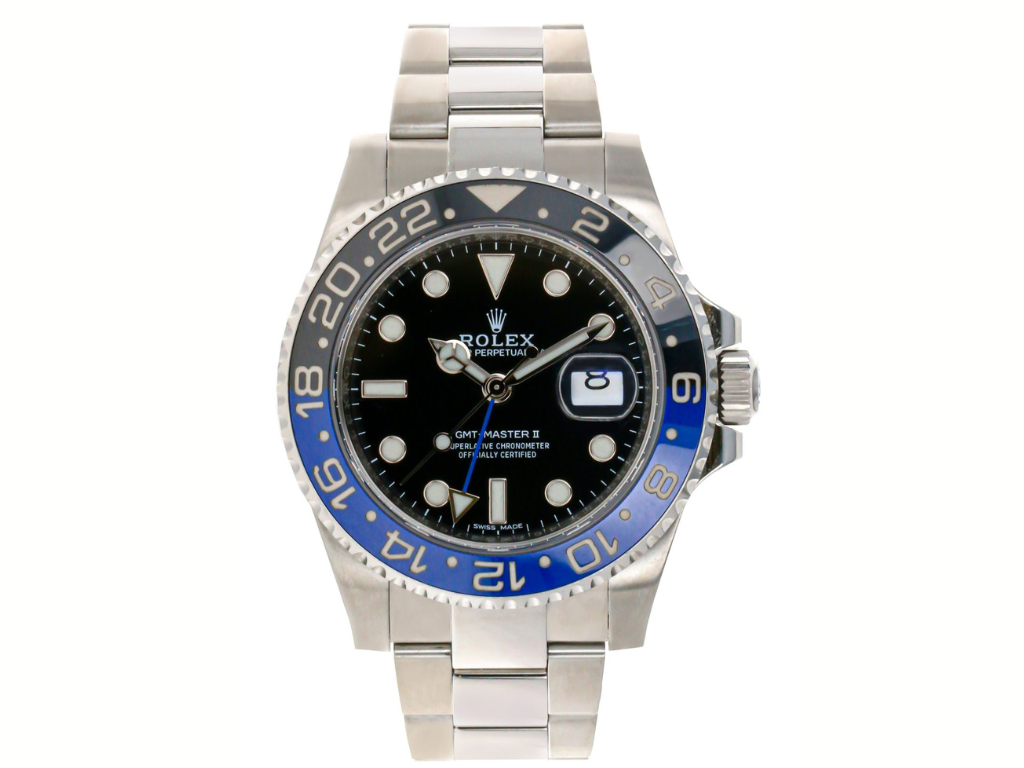
Bezel Showdown: Aluminum vs Cerachrom Ceramic on GMT-Master Models
The bezel isn’t just about looks—it’s a core functional element.
- Vintage GMT-Master: Used aluminum inserts (like the famous red/blue “Pepsi”) that develop a desirable patina but are prone to scratches and UV fading.
- GMT-Master II (Modern): Equipped with Rolex Cerachrom, a scratch-resistant, fade-proof ceramic bezel introduced in 2007. Whether it’s the black/green “Sprite”, black/blue “Batman”, or red/blue “Pepsi”, the colors stay vibrant for decades.
If you want a low-maintenance, durable luxury sports watch, the Cerachrom bezel on the GMT-Master II is a clear win.
Movement & Performance: Caliber 3285 vs Vintage GMT-Master Movements
Technology has leaped forward:
- Original GMT-Master: Ran on calibers like the 1575—reliable for their time but with only ~40 hours of power reserve and no quickset date.
- GMT-Master II (2018–present): Powered by Rolex Caliber 3285, featuring:
- 70-hour power reserve
- Chronergy escapement (15% more efficient)
- Paraflex shock absorbers
- Superlative Chronometer certification (precision of -2/+2 seconds per day)
This makes the modern GMT-Master II not just more convenient—but one of the most accurate automatic watches on the market.
Key Differences at a Glance
| Feature | Rolex GMT-Master (Original) | Rolex GMT-Master II (Modern) |
|---|---|---|
| Independent Hour Hand | No | Yes |
| Quick-Set Local Time | No | Yes (via “jumping” hour hand) |
| Bezel | Bidirectional, aluminum insert | Unidirectional, scratch-resistant Cerachrom (ceramic) |
| Movement | Caliber 1575 or similar (older) | Caliber 3285 (modern, 70h power reserve) |
| Date Function Adjustment | Only via full crown rotation | Independent quickset |
| Water Resistance | 100m | 100m |
| Current Production | Discontinued (vintage only) | Actively produced |
Which Should You Choose?
- Choose the Original GMT-Master if:
- You’re a vintage collector
- You value historical significance over modern convenience
- You love the patina of aged aluminium bezels and tritium dials
- Choose the GMT-Master II if:
- You travel frequently and need true multi-time zone functionality
- You want modern reliability, scratch resistance, and longer power reserve
- You prefer new or unworn luxury watches with warranty and service support
Final Thoughts
While the Rolex GMT-Master laid the foundation as a horological icon, the GMT-Master II refined it into the ultimate traveler’s watch for the 21st century. Unless you’re specifically hunting vintage timepieces, the GMT-Master II is the clear winner for functionality, durability, and everyday wear.
Whether you’re browsing preowned Rolex watches, exploring the pre-owned luxury watch market, or just dreaming of your next grail timepiece, understanding these differences ensures you make a choice that aligns with both your lifestyle and legacy.


Leave a Comment