


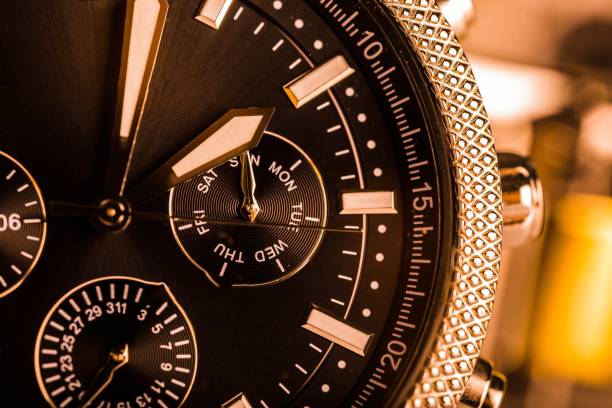

Have you ever wondered why some watches cost $500,000 while others just $500? Horological complexities, features that do more than just display the hours and minutes, define the difference in value. Details can be as simple as a date window or as complex as a tiny mechanical symphony that uses tiny gongs and hammers to chime the time.
We are here to simplify all these complications and smoothen your watch buying journey. In this guide, we’ll break down the main categories of watch complications, describe how they operate, highlight the best ones, and assist you in selecting the ones that best suit your lifestyle. From practical GMTs to poetic moonphases and gravity-defying tourbillons, consider this your full initiation into one of the most captivating parts of luxury watchmaking.
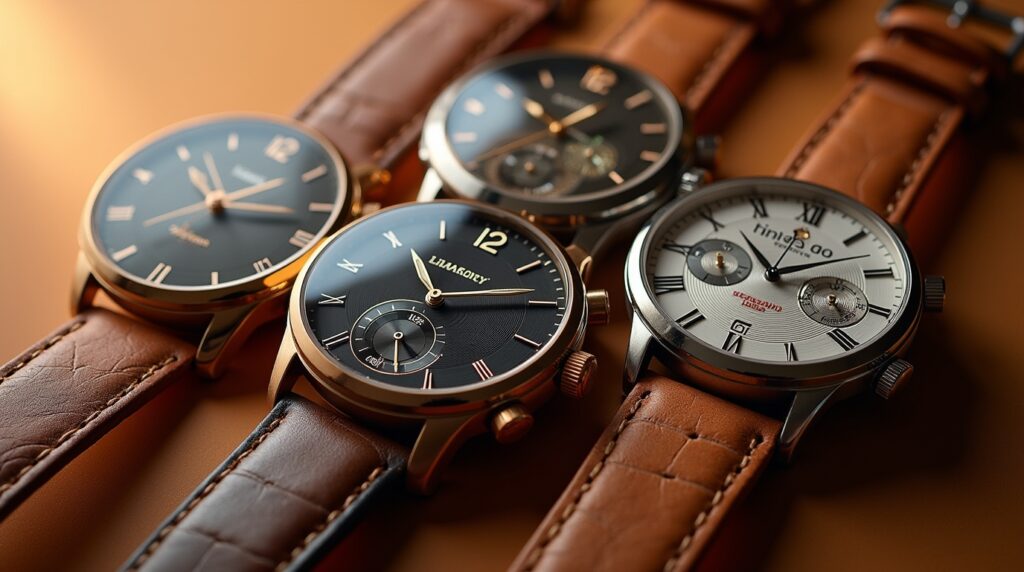
Watch Complication 101 – Simple vs. Complex
Essentially, watches fall in one of the two categories:
1. Time-only timepieces
- Display only show the hours, minutes, and occasionally seconds.
- They are dependable, timeless, and clean.
2. Watches with Complications
- Any additional mechanical feature, such as a date, chronograph, moonphase, GMT, alarms, calendars, or even musical chimes, falls under this category.
The Classification of Watch Complications
For a better and deeper comprehension of the terrain, watch complications often fall into five categories:
- Practical Complications: Date, chronograph, GMT, and world time.
- Astronomical Complications: Moonphase, equation of time, and sidereal time.
- Calendar Complications: Full, annual, and perpetual calendar
- Chiming Complications: Grande Sonnerie, minute repeater, alarm
- Show-stopper Complications: Tourbillons, multi-axis tourbillons, and grand complications.
These watch specifications help collectors in evaluating each piece’s intricacy, uniqueness, and craftsmanship.
Myth Busting: More Difficulties ≠ Better Watch
The mere fact that a watch possesses mechanical complexities does not make it better. What is important is:
- How often you’ll utilize the features
- The degree of integration between the functions
- The movement’s quality
- Your lifestyle and sense of style
Sometimes a basic three-hand watch is more practical for everyday use. In other situations, a chronograph or GMT will do the trick.
Everyday Essentials – Practical Complications You’ll Actually Use
Following are the most popular and accessible complications. These seamlessly blend function with daily wearability and compliment style.
1. Date & Day Complications
What They Are?
A date window (or day-date display) shows the current date or both the day and date.
Why They Matter
- Perfect for office wear
- Useful for everyday scheduling
- Relatively simple and reliable
Iconic Picks
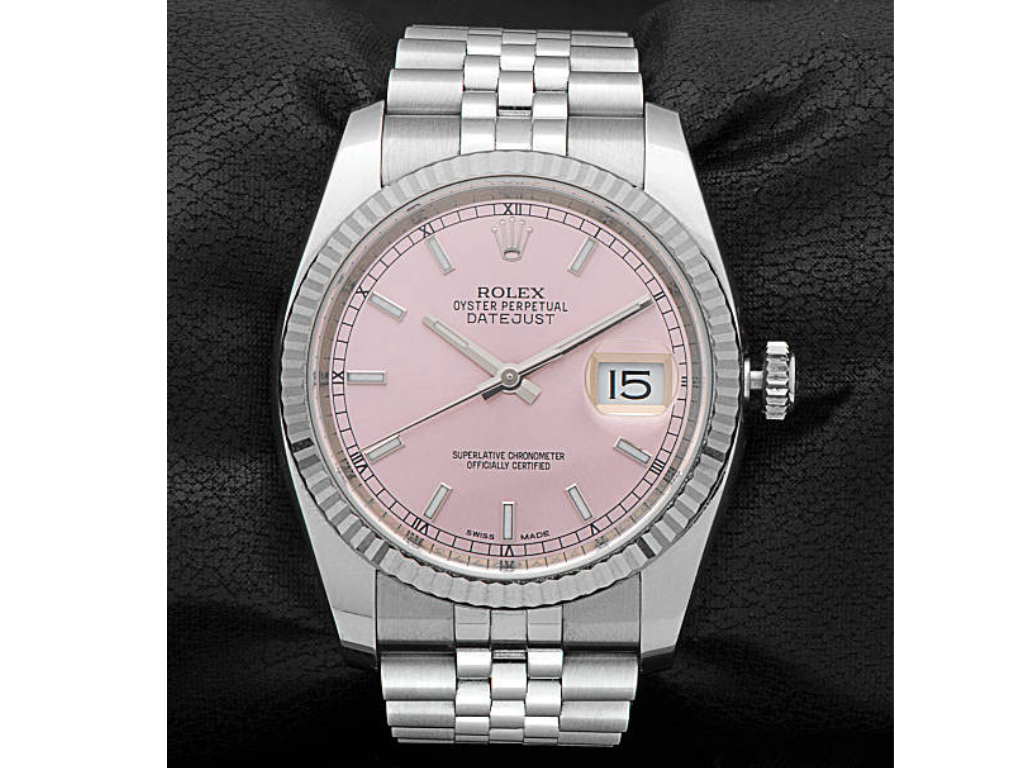
- Rolex Datejust
- Omega Seamaster Aqua Terra
Perfect for those who are new to luxury watches and beginning to explore watch complications.
2. Chronograph Watches
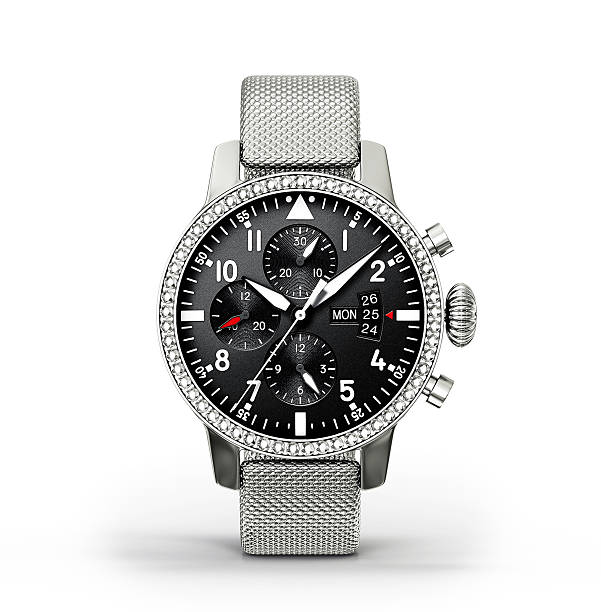
A chronograph is elementally a mechanical stopwatch built into a watch. It has pushers on the side that start, stop, and reset the timing mechanism.
Why They’re Loved?
- Popular among pilots, race-car drivers, and divers
- Offers a sporty, technical aesthetic
- Great fusion of utility and style
Key Types
- Standard Chronograph: Basic start/stop/reset
- Flyback Chronograph: Reset without stopping—ideal for pilots
- Rattrapante (Split-Seconds): Times two events simultaneously
Iconic Picks
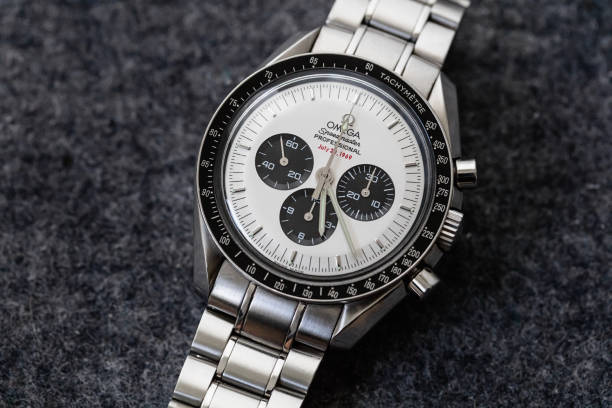
- Omega Speedmaster
- TAG Heuer Carrera
- Zenith El Primero
Chronograph watches are the best ones for watch enthusiasts to understand watch complication.
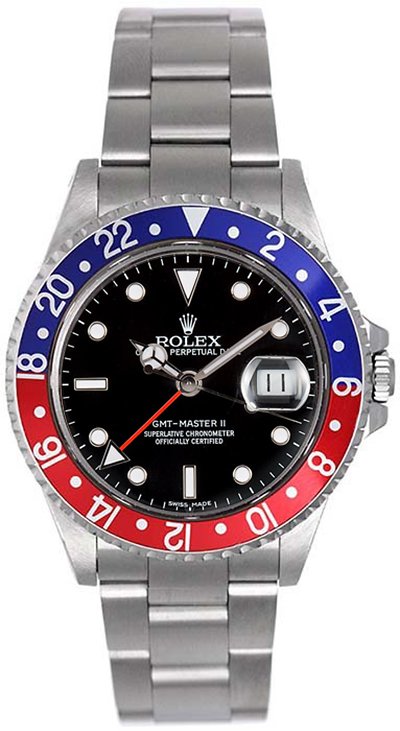
3. GMT & Dual Time Zone Watches
Best suited for frequent flyers, remote workers, and global professionals, a GMT watch keeps track of multiple time zones.
Why They’re Useful?
- Displays local time + home time
- Ideal for travel or international work schedules
Popular Comparisons
- Rolex GMT-Master II: The most iconic choice
- Tudor Black Bay GMT: A popular, accessible alternative
GMT and Dual Time watches are among the best watch complications for modern lifestyles.
4. World Timer
This is the GMT’s more sophisticated cousin. A world timer typically displays 24 time zones at once on a rotating outer ring.
What’s it Best For?
- International travelers
- Business professionals
- Collectors who appreciate the artistry
Celestial Beauty – Astronomical Complications
Wrap the cosmos on your wrist with astronomical complication watches, blending science and poetry. The popular choices include:
1. Moonphase Watches
Love the moon? Enjoy the different moon phases of the moon with a small aperture on the dial aligned with the updated moon calendar .
Why They’re Special?
- Romantic and visually captivating
- Vintage-inspired and artistic
- Surprisingly affordable in many brands
Top Picks
- Jaeger-LeCoultre Master Ultra Thin Moon
- Omega Speedmaster Moonphase
- Longines Master Collection
An exquisite elegant piece for those who rejoice in beauty, poetry and symbolism.
2. Equation of Time & Sidereal Time
A rarest of the astronomical complications and wonderful keepsake.
Equation of Time
A poetic and practical blend of solar and standard time difference.
Sidereal Time
Traces Earth’s rotation relative to distant stars. A niche complication for astronomers and collectors.
Who Loves These?
- Devout enthusiasts- not just for dreamers but for doers
- Collectors looking for unique mechanical artistry
These represent pinnacle of creative watchmaking.
Calendar Kingpins – Annual, Perpetual & Full Calendar Watches
Witness the horological mastery of mechanical intelligence in the purest form with the Calendar complications.
1. Annual Calendar
How It Works?
Automatically adjusts the date for months with 30 and 31 days. Only needs to be corrected once a year (at the end of February).
Why It’s Awesome?
High functionality without the high cost of a perpetual calendar.
Brands to Explore
2. Perpetual Calendar
The peak engineering marvel of calendar complications.
What It Traces?
- Day
- Date
- Month
- Leap years
- 30/31-day months
All without adjustment until 2100.
Trending Picks
These watches have a history of becoming ancestral treasures.
3. Full/Complete Calendar
Displays:
- Day
- Date
- Month
- Moonphase
Important Tip: Never change the date between 9 PM and 3 AM, as the gears are engaged and can be damaged.
Sound & Soul – Chiming Complications
Amazing acoustic engineering wrapped on your wrist – a little bit of music with time.
1. Alarm Watches
The most accessible chiming complication.
Famous Picks
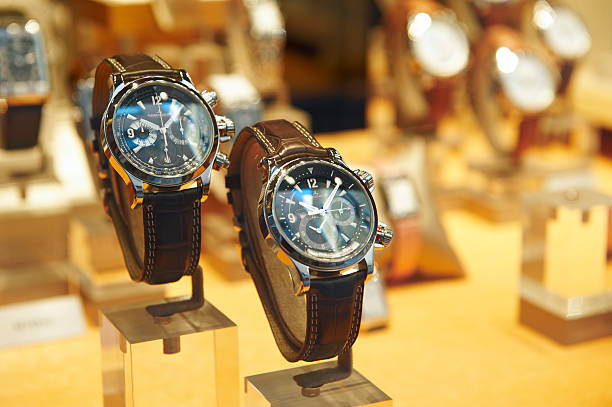
- Jaeger-LeCoultre Memovox – a classic, OG mechanical alarm beloved by collectors and watch experts.
2. Minute Repeater
One of the most revered complications.
How It Works?
Chimes the time on demand, hours, quarters, and minutes, with the mechanics of tiny hammers and gongs.
Why It’s Iconic?
- Pure mechanical artistry
- Extremely difficult to build
- Often handcrafted
3. Grande Sonnerie
The rarest of the rare gem! Consider yourself lucky if you own this complication.
What It Does?
Automatically chimes:
- Hours
- Quarter hours
These watches let out a gentle chime in a beautifully orchestrated sequence. These pieces are typically six figures and often custom-made.
The Tourbillon – Watchmaking’s Ultimate Flex
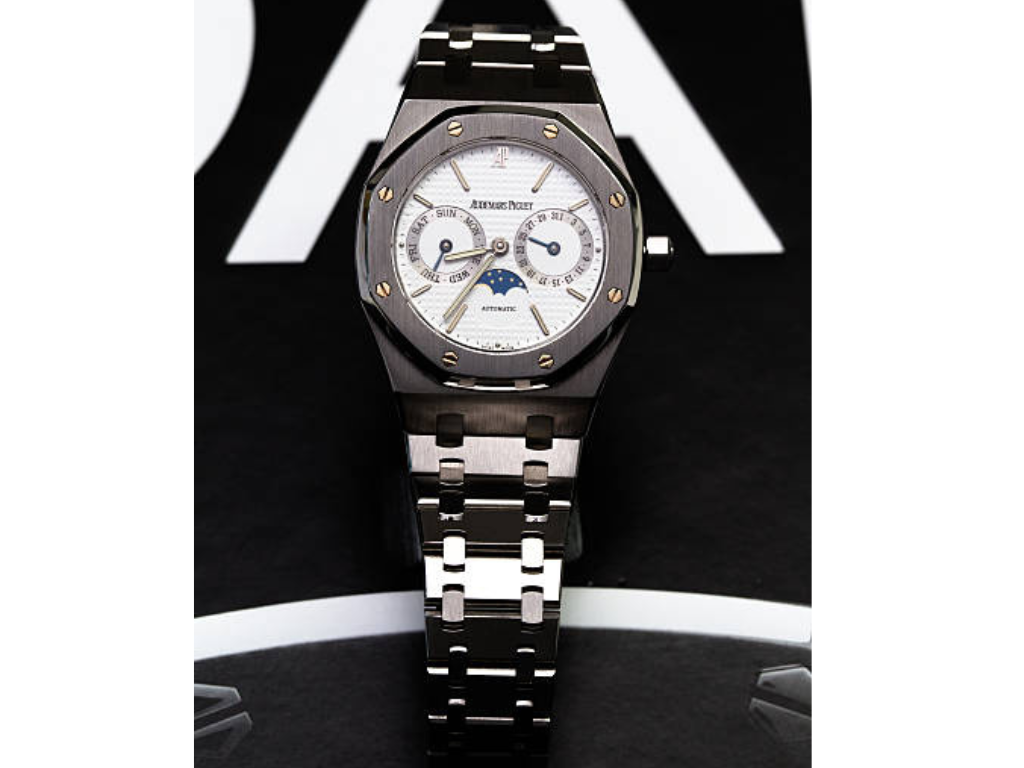
These Tourbillon watches attract admiration, praise, awe and genuine appreciation, often sparking amicable debates over their brilliant complication.
What Is a Tourbillon Watch?
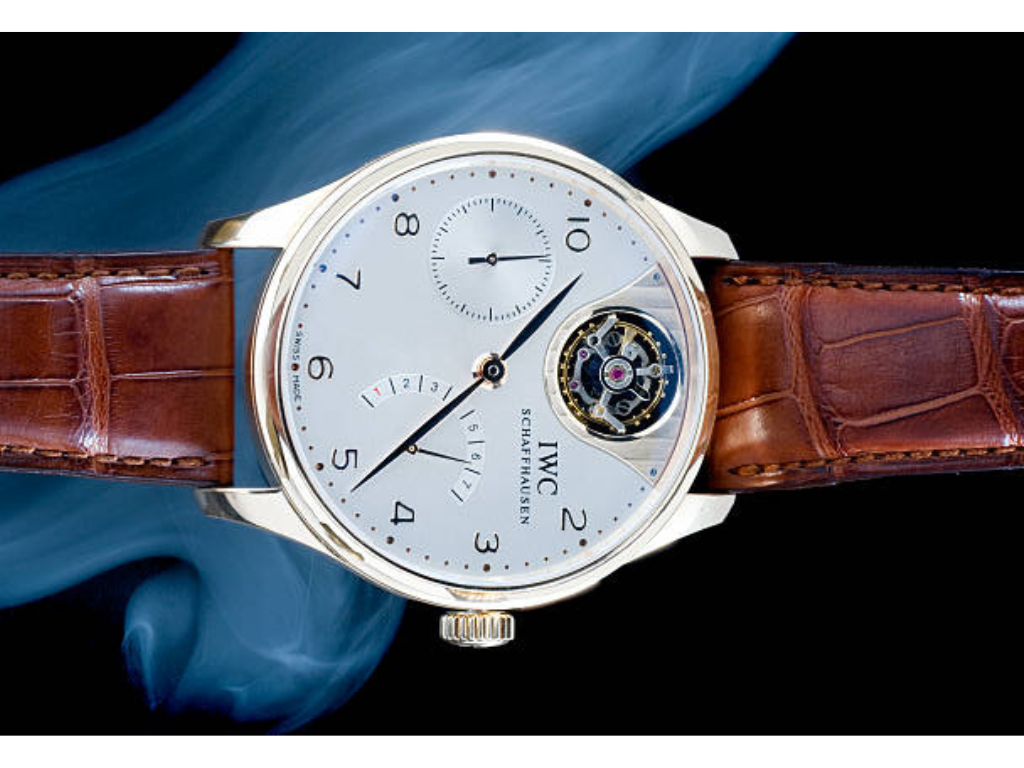
It was invented by Abraham-Louis Breguet in 1801 to counteract gravity’s effect on accuracy – an unmatched genius thought and execution. Today, it serves more as a mesmerizing display of mechanical skill.
Types of Tourbillons
- Standard
- Flying (no upper bridge)
- Double-axis
- Inclined
Do You Absolutely Need One?
- Short Answer? No, modern engineering makes them obsolete for accuracy
- Convincing Answer? Yes, for collectors who appreciate mechanical art and value the history behind.
Iconic Picks for
Budget: Stührling, Bulova
Luxury: Audemars Piguet, Breguet, Girard-Perregaux
Ultra-Complicated Watches – Where Engineering Meets Art
These are one of the most complicated watches in the world, combining three or more high-end complications in one movement.
Legendary Picks
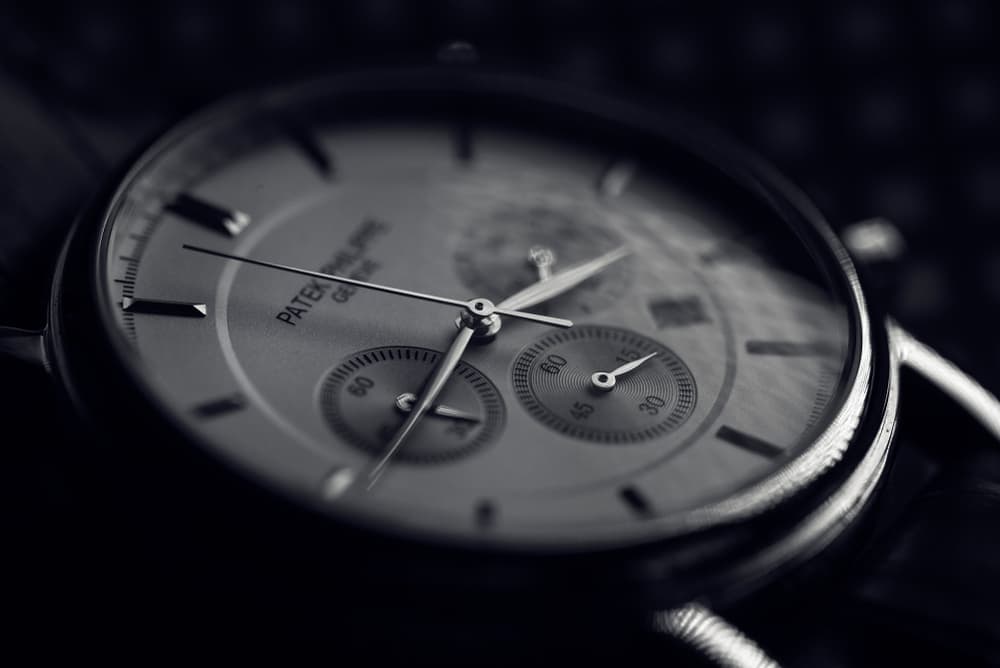
- Patek Philippe Calibre 89 – 33 complications
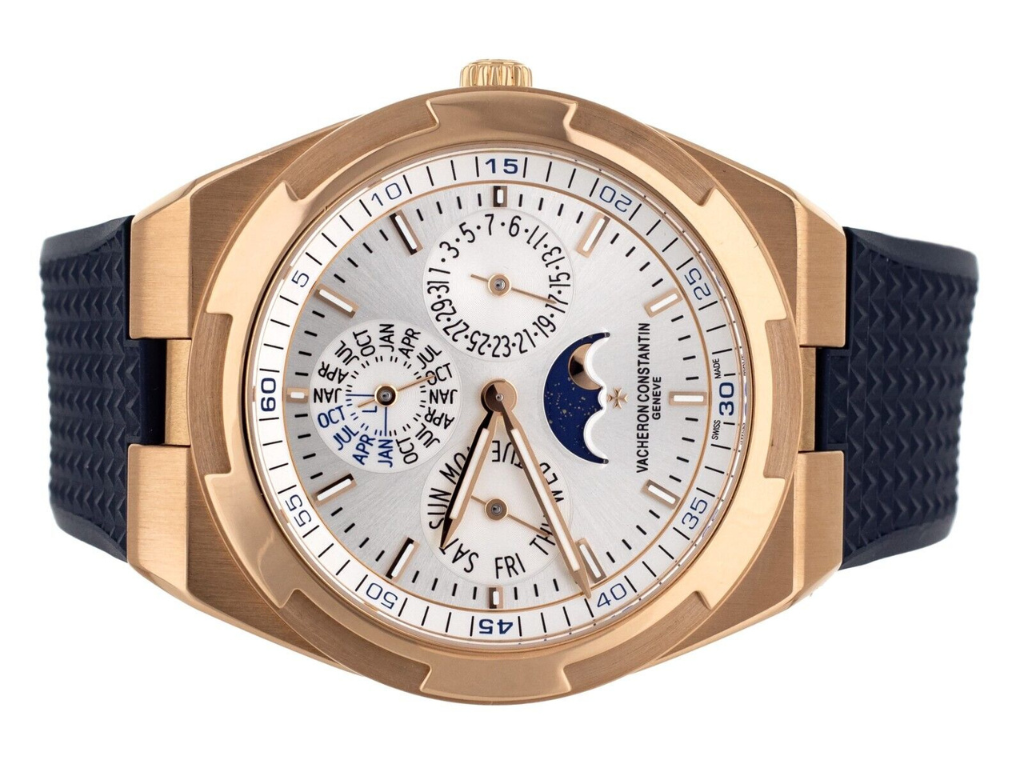
- Vacheron Constantin Reference 57260 – 57 complications; the most complicated watch ever made
These aren’t everyday wristwatches, they’re mechanical masterpieces displayed in museums and private collections.
How to Choose the Right Complication for Your Lifestyle
Are you wondering which is the best watch complication for a beginner? Let’s make it simple to:
Quick Matching Guide
- Frequent traveler → GMT / World Timer
- Office professional → Date / Annual Calendar
- Romantic, artistic personality → Moonphase
- Tech meets tradition → Chronograph
- Horology obsessive → Tourbillon or Minute Repeater
Budget Guide
- Under $1,000: Seiko, Tissot, Hamilton
- $1K–$10K: Omega, Grand Seiko, Jaeger-LeCoultre
- $10K+: Patek, AP, Vacheron, Rolex
Maintenance Tip
Highly complicated watches need servicing every 4–7 years to maintain accuracy and longevity.
Conclusion
Watch complexities are the essence of horology, ranging from useful chronographs to whimsical moonphases and gravity-defying tourbillons. Every aspect conveys a tale of ingenuity, engineering, and the silent perseverance of craft across many generations. The ideal complication is the one that fits your lifestyle, fits your character, and makes you happy every time you look at your wrist.
Are you ready to explore more? Try on a moonphase or chronograph from TimeLuxury‘s carefully chosen used inventory!
If you’re already a collector, let us know in the comments what your favorite challenge is!
FAQs
1.What is the most useful watch complication?
The GMT or date complication is the most useful for the majority of people. While office workers depend on the date, travelers might prefer GMT.
2. Are tourbillon watches worth it?
No, not in terms of performance. Indeed, they are mechanical sculptures from an artistic and collector perspective.
3. How much does it cost to service a perpetual calendar?
Usually between $700 to $2,000 or more, depending on the complexity and brand.

Leave a Comment