


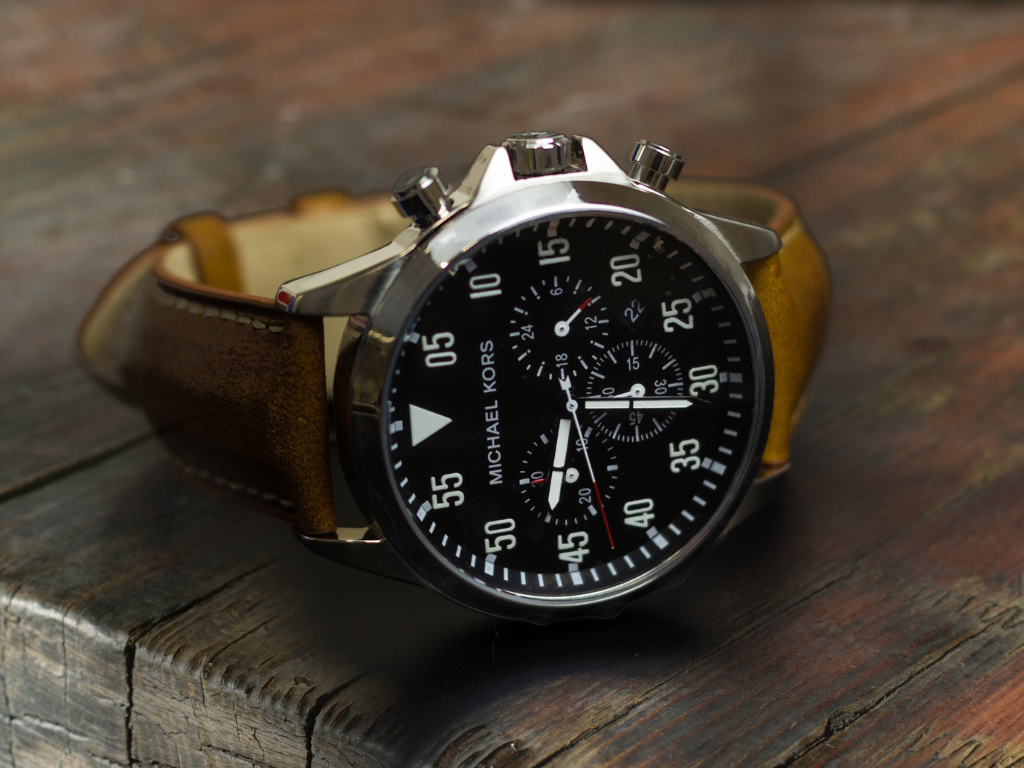

When it comes to haute horlogerie fine watchmaking few watch complications capture the imagination quite like the tourbillon. Revered for its intricate mechanics, mesmerizing motion, and historical significance, the tourbillon is more than just a technical marvel; it’s a symbol of precision, craftsmanship, and luxury. But what exactly is a tourbillon watch? Why were they invented? And why do they still matter in the age of atomic clocks and smartwatches?
In this comprehensive guide, we’ll break down everything you need to know about tourbillon watches, from their origins to their modern-day relevance perfect for enthusiasts, collectors, and curious newcomers alike.
What Is a Tourbillon on a Watch?
A tourbillon (French for “whirlwind”) is a mechanical complication designed to counter the effects of gravity on a watch’s accuracy. Invented by Swiss-French watchmaker Abraham-Louis Breguet in 1795 and patented in 1801, the tourbillon mounts the escapement and balance wheel inside a rotating cage—typically completing one full rotation every 30 or 60 seconds.
This constant rotation averages out positional errors caused by gravity when a pocket watch (the common timepiece of Breguet’s era) was held vertically. The result? Improved timekeeping precision—a revolutionary concept in the pre-electronic era.
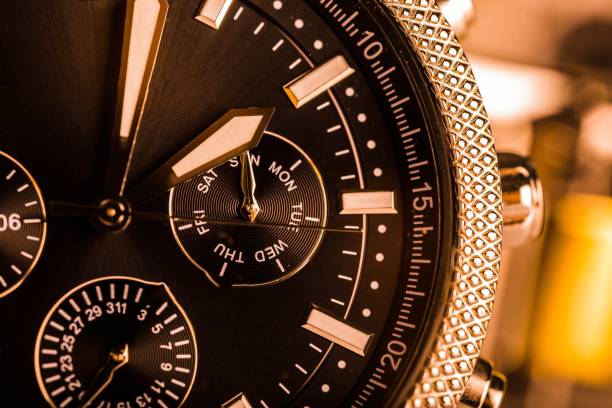
How Does a Tourbillon Work?
At the heart of every mechanical watch is the escapement, which regulates the release of energy from the mainspring to the balance wheel. Gravity can pull on these components differently depending on the watch’s orientation, causing slight timing discrepancies.
The tourbillon solves this by:
- Placing the escapement and balance wheel in a lightweight, rotating cage.
- Continuously changing their position relative to gravity.
- Averaging out gravitational errors over time.
While modern materials and manufacturing have reduced the need for such compensation in wristwatches (which are worn in varied positions), the tourbillon remains a pinnacle of micro-engineering.
Why Are Tourbillon Watches So Expensive?
Tourbillon watches command premium prices often starting in the tens of thousands of dollars and climbing into the hundreds of thousands for several reasons:
- Complex Engineering: A single tourbillon can contain over 80 additional parts, all hand-assembled by master watchmakers.
- Precision Craftsmanship: Tolerances are microscopic; even a speck of dust can affect performance.
- Limited Production: Few watchmakers possess the expertise to build tourbillons, making them rare.
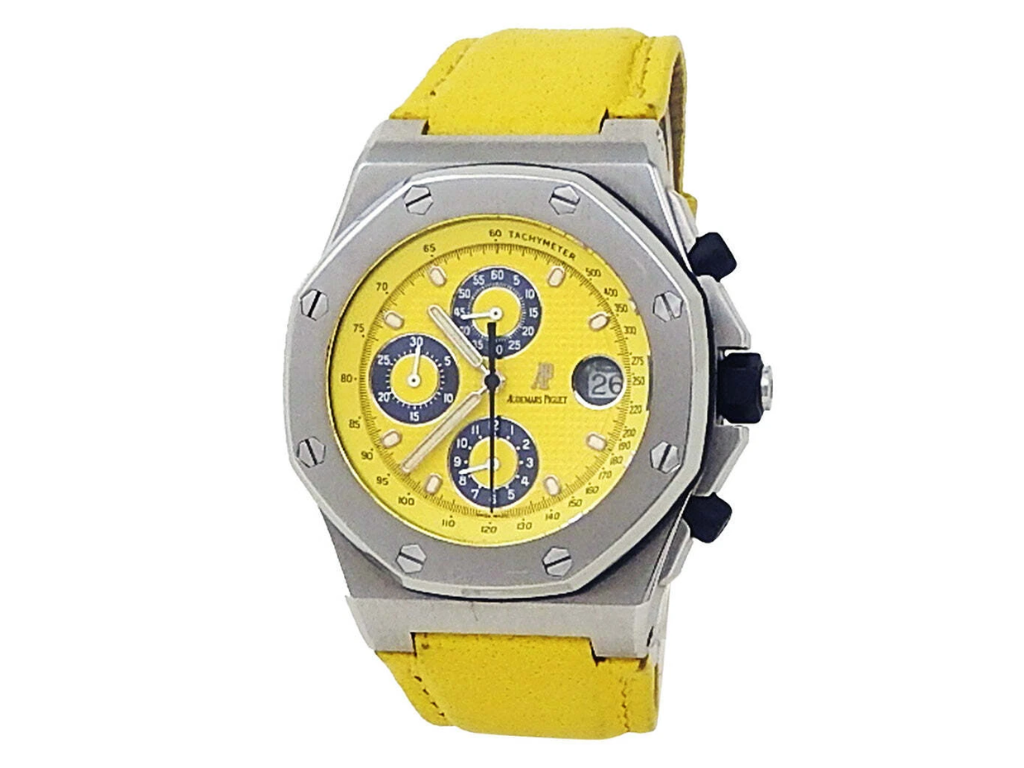
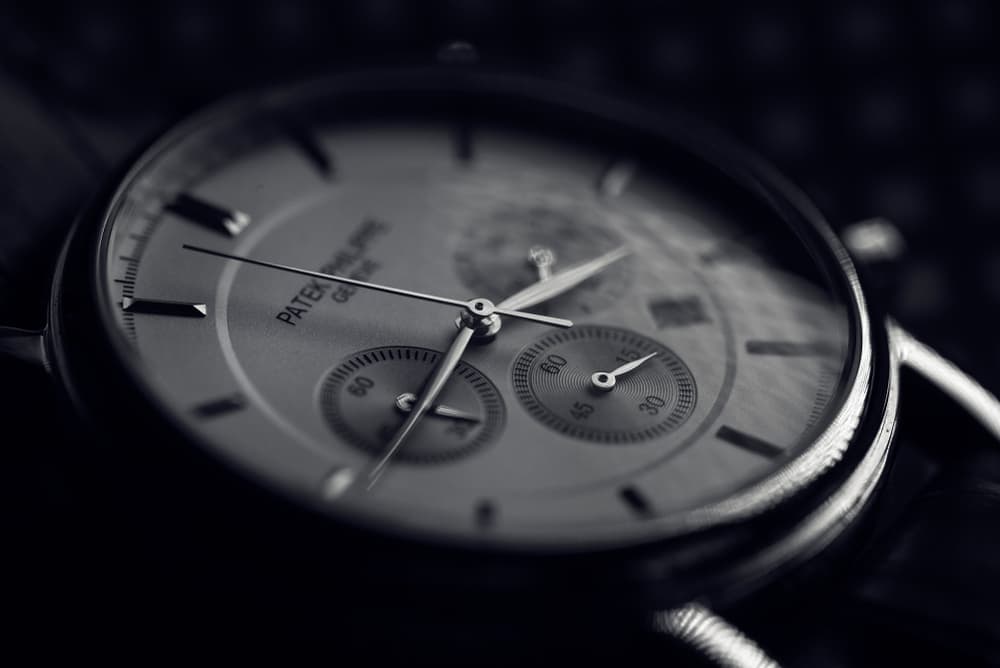
- Prestige & Heritage: Brands like Audemars Piguet, Patek Philippe, and Vacheron Constantin use tourbillons to showcase technical mastery.
Fun Fact: Audemars Piguet’s Royal Oak Tourbillon models blend avant-garde design with traditional horology making them especially coveted among modern collectors.
Tourbillon watches vary widely in price:
- Entry-level tourbillon watches: ₹3–8 lakh
- Mid-range luxury tourbillons: ₹10–40 lakh
- High-end Swiss tourbillons: ₹1 crore and above
Tourbillon Watches vs Regular Mechanical Watches
| Feature | Tourbillon Watch | Standard Mechanical Watch |
|---|---|---|
| Accuracy | Gravity-compensated | Position-dependent |
| Complexity | Extremely high | Moderate |
| Price | Very expensive | Affordable to premium |
| Craftsmanship | Hand-finished | Machine & hand-assembled |
| Collectability | Very high | Varies |
Are Tourbillons Still Relevant Today?
In our digital age, where quartz and atomic clocks offer near-perfect accuracy, the practical need for a tourbillon is debatable. Yet, its relevance endures not for utility, but for artistry.
- Symbol of Excellence: The tourbillon is a testament to human ingenuity and mechanical beauty.
- Collector’s Appeal: Limited-edition tourbillons often appreciate in value.
- Showcase of Innovation: Modern interpretations include flying tourbillons, double-axis, and even triple-axis variants.
For many, wearing a tourbillon isn’t about telling time it’s about wearing a piece of engineered poetry on your wrist.
Types of Tourbillon Watches
Watchmakers have evolved the tourbillon into several stunning forms:
- Traditional Tourbillon: Mounted on both sides of the cage.
- Flying Tourbillon: Appears to “float” with no upper bridge—offering an unobstructed view.
- Multi-Axis Tourbillon: Rotates on two or three axes for even greater complexity.
- Skeleton Tourbillon: Exposes the movement, highlighting the tourbillon as a visual centerpiece.
Brands like Audemars Piguet, Jaeger-LeCoultre, and Greubel Forsey continue to push boundaries with innovative tourbillon designs that blend heritage with futuristic aesthetics.
How to Choose a Tourbillon Watch
Buying a tourbillon is a significant investment. Consider these factors:
- Brand Heritage: Swiss-made tourbillons from established maisons offer reliability and resale value.
- Movement Type: Hand-wound vs. automatic? Complications like chronographs or perpetual calendars add versatility.
- Design & Wearability: From sporty Royal Oak models to elegant dress watches Jaeger-LeCoultre—choose a style that fits your lifestyle.
- Authenticity & Service: Ensure the brand offers certified servicing and warranty support.
Final Thoughts
The tourbillon may no longer be a necessity for accuracy but that’s not why it matters. It matters because it represents the zenith of mechanical luxury watchmaking, where science, art, and passion converge. Whether you’re a seasoned collector or a newcomer drawn to the hypnotic spin of a balance cage, the tourbillon offers a timeless connection to horological history.
In a world of fleeting tech trends, the tourbillon remains a true mechanical masterpiece spinning not just to keep time, but to inspire wonder.
Frequently Asked Questions (FAQ)
Q: What is the average price of a tourbillon watch?
A: Entry-level tourbillons start around $30,000. Luxury models from top brands can exceed $500,000.
Q: Can a tourbillon improve accuracy in a wristwatch?
A: Marginally, modern wristwatches move enough to average out positional errors. The benefit is more historical than practical today.
Q: Which brands are known for exceptional tourbillons?
A: Audemars Piguet, Patek Philippe, Breguet, Jaeger-LeCoultre, and Greubel Forsey are among the most respected.
Q: Are there affordable tourbillon watches?
A: Some Chinese and independent brands offer tourbillons under $10,000, but quality and finishing vary significantly.
Leave a Comment