

A carefully chosen vintage luxury watches not only marks the passage of hours but also embodies narratives, artistry, and a subtle sense of timelessness. These timepieces often trace their origin stories from periods when watchmaking had firmed roots in human craftsmanship than machine automation, making every created a piece a testament to careful detail. Usually characterised as watches that are least 20 or more years old from reputable Swiss or German manufacturers, vintage luxury timepieces have gained immense popularity among collectors, first-time buyers, watch enthusiasts and even serving as assets to investors owing to their lasting value.
Today, a greater number of individuals are reappraising these timeless works not just for their unmistakable charm but also for their enduring reliability. In this blog we will guide you how to identity authentic luxury watches, steer clear of fakes, and learn best restoration practices that can maintain both aesthetics and value of these luxurious accessories for many years ahead.
Why Vintage Luxury Watches Matter
Classic luxury watches offer an exclusive experience that remains unmatchable with contemporary models. Each historic period of craftsmanship, dating back to the 1940s dress time-wears to the 1960s rugged and durable mechanical watches, showcase significant technological and artistic milestones. The introduction of automatic movements, dual-time features and waterproof cases became a turning point in horological industry and became defining traits of collectible models.
Their craftsmanship is unparalleled. A great many vintage timekeeps were hand-crafted and every part assembled completely manually, refined by artisans with skills inherited over generations. These timepieces usually feature elements or watch complications that no longer exits in modern productions, creating a sense of distinctiveness for collectors.
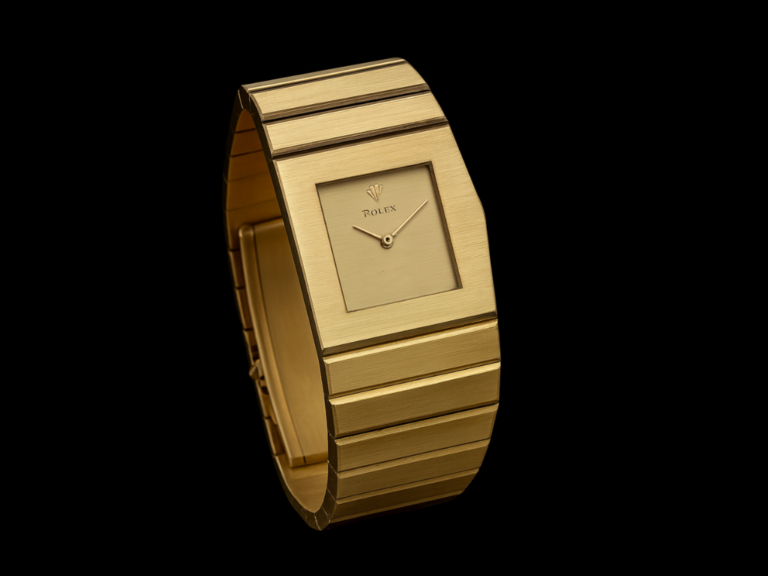
Another distinctiveness of character is their rise in value. Models such as the 1960s Rolex Submariner, the Omega Speedmaster “Moonwatch,” and the Jaeger-LeCoultre Reverso have commanded and observed a steady increase in value over time. Their continuous popularity among collectors, investors, and enthusiasts indicates the robustness of this niche market.
There is also a thoughtful aspect to selecting vintage. Rather than depending on new production, purchasers extend the lives of well-crafted machinery designed to last. So, are vintage watch collection valuable? Absolutely! Especially when they are authentic, well-maintained, and represent renowned brands from respectable manufacturers.

Top Vintage Luxury Watch Brands to Know
There are a handful of luxury watch brands whose watches are often found at the top of the vintage watch market owing to their heritage and technical pedigree, their global appeal, and their focus on consumer interest.
Rolex
Known for precision, durability, and universally recognisable designs of sport watches. Key vintage models include:
- Submariner
- Datejust
- Daytona
Omega
A pillar of mid-century watchmaking with historical significance.
- Speedmaster (first watch worn on the moon)
- Seamaster
- Constellation
Patek Philippe
One of the most prestigious watchmakers known for limited production and intricate craftsmanship.
- Calatrava
- Nautilus (rare in vintage, highly collectible)
Jaeger-LeCoultre
A pioneer in complicated movements.
- Reverso
- Memovox
IWC (International Watch Company)
Respected for engineering and elegant tool watches.
- Mark series
- Ingenieur
Cartier
Iconic designs with timeless appeal.
- Tank
- Santos
Rising Under-the-Radar Brands
Collectors are increasingly turning their attention to:
- Heuer (pre-TAG era chronographs)
- Longines (vintage pilot and dress watches)
- Girard-Perregaux (underappreciated mechanical classics)
Factors that greatly affect a watch’s value are brand reputation and the extent to which counterfeiting exists for a particular brand. There is a much greater likelihood of encountering counterfeit versions of watches produced by sought-after brands.

How to Spot a Fake Vintage Luxury Watch
Some vintage fakes, or so-called “frankenwatches,” may appear authentic; however, by knowing what to look for, one can avoid costly mistakes.
A. Evaluation of the Dial
The dial has the most immediate giveaways.
- Font Consistency: Genuine pieces have uniform, clean typography on the dial. If the letters are not aligned properly or some letters do not match in size, the watch indicates tampering.
- Logo Placement: The logo on the brand name should be clear, proportional, and aligned correctly.
- Lume Material: Older vintage watches typically contain lume tritium, and as they age, they develop a warm patina. If an old watch has bright, new-looking lume, it is likely that the lume material has been replaced.
- Model Names: Any misspelling or incorrect model title is a sure sign of a counterfeit.
B. Examination of the Case and Crown
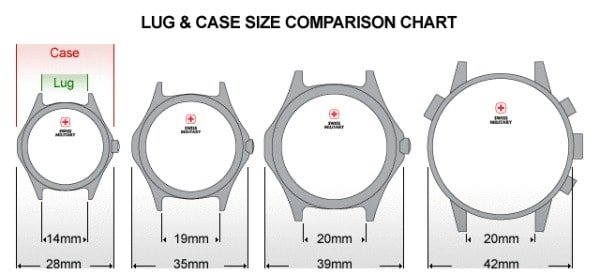
The exterior of the case and crown should match the original finish.
- Case Finishing: Vintage watches often have brushed and polished surfaces. Over-polishing a vintage watch may cause it to lose its original defined edges, while poor finishing indicates a lower-quality product.
- Reference Numbers: Reference numbers are located between the lugs of the case (for brands such as Rolex) and should be engraved clearly on the case, not laser-etched or uneven.
- Crown Logo:The vintage watches’ crown bear the brand emblem and match the era of the watch. An incorrect crown is a pretty good indication that the watch has a replaced part.
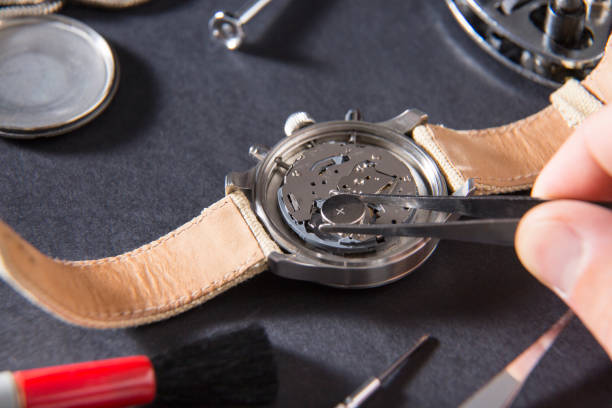
C. Understanding Watch Movement
The heart of any authentic timepiece is the watch movement.
- Movement Inspection: The movement consists either of a manual or automatic mechanical engine. A watch claiming to be vintage with quartz movement must be carefully inspected.
- Calibration: The movement caliber must correspond with that of the model. For example, a vintage Rolex Datejust from 1960 should have a caliber 1570.
- Finishing Quality: Look for consistent engravings, polished screws, and the use of high-quality materials. Movements that are counterfeit often appear rough and mismatched.
D. Serial and Model Numbers
Serial and model numbers must harmonize with those in the manufacturer’s records.
- Verify serial and model numbers using a reputable database, e.g., Rolex Serial Catalogs, Omega Archives.
- Inspect engravings for proper spacing/spacing & neatness according to the watch’s production date.
- Missing/illegible serial/model numbers may indicate cases have been replaced or tampered with.
E. Provenance & Documentation
Although it is not necessary for a watch to have its documents and papers to prove originality, additional paperwork adds a great deal to the credibility of the purchase.
- Original box, tags, warranty cards, receipts, service history, etc., enhance the authenticity.
- Be wary of sellers who do not provide images of the movement.
- Listings on social media platforms or websites that seem too low-priced.
- Unauthorized or unverified “dealers” selling rare pieces for unprecedented prices.
F. When in Doubt, Consult an Expert.
Even experienced collectors can benefit from:
- Certified watchmakers
- Auction companies (Phillips, Christie’s, & Sotheby’s)
- Reputable dealers of previously-owned luxury watches
Obtaining expert verification will help reduce the chances of buying counterfeit watches.

Restoring Vintage Luxury Watches: Dos and Don’ts
While restoration might prolong the life of a historic timepiece, improper restoration can significantly lower its value. Maintaining equilibrium is crucial.
A. Why Restoration Matters
Although vintage timepieces are created as generational heirlooms, materials and accuracy gradually deteriorate with time. Restoration:
- maintains functionality
- stops internal deterioration
- preserves the integrity of the structure.
However, as the collectors prefer originality, over-restoration, particularly excessive cleaning or dial replacement, may reduce the value by 50% or more.
B. What to Preserve
Collectors appreciate the time-worn signs of ageing.
- Original patina: These features offer appeal, whether they are tropical dials, creamy lume, or slightly faded hands.
- Sharp Case Edges and Bevels: Overpolishing reduces definition and removes metal.
- Matching Components: Make sure the dial period, hands, case diameter, and indexes are all in good shape.
C. Safe Restoration Steps
Prioritize restoration that preserves the watch without changing its personality.
- Professional Assessment
Seek out luxury watchmakers with expertise in vintage horology. They are aware of period-appropriate methodologies, original finishes, and historical elements.
- Movement Servicing
- Must be carried out every 5-7 years.
- When feasible, use original components.
- Over time, gears, springs, and oils deteriorate and need to be carefully maintained.
- Crystal and Gasket
- Worn gaskets or cracked acrylic crystals need to be replaced.
- Use the same design as the original, such as Hesalite for early Speedmasters and acrylic for Rolex from the 1960s.
- Avoid Frankenwatches
Authenticity is destroyed and resale value falls when pieces from multiple models or decades are mixed together.
D. Things Not to Do
- Don’t re-dialing unless the dial is seriously damaged. Original dials are more expensive.
- Avoid aggressively cleaning the watch strap, bracelet or case as this could harm the original materials.
- Avoid experimenting with do-it-yourself kits; experience and precise instruments are necessary.
- Instead of changing an heirloom’s individuality, restoration should seem like giving it new life.
Final Tips for Buying & Caring for Vintage Watches
Value and delight can be preserved with a few considerate habits:
- Purchase from reliable vendors with clear return guidelines and proven experience.
- Whenever possible, conduct an in-person inspection.
- Properly store in a dry, cold place; stay away from magnetic fields; and travel in cushioned cases. These simple habits are part of essential luxury watch care.
- To maintain lubrication, wind mechanical watches on a regular basis.
- Get your watch insured; it’s a valuable possession both financially and emotionally.
Conclusion
Vintage luxury timepieces are the epitome of creativity, tradition, and a subdued confidence of excellent workmanship never goes out of style. It takes patience and knowledge to collect these items, rewarding those who take the time to learn about their background and personalities.
A well-chosen vintage watch becomes more than just a piece of jewelry; it becomes a part of your narrative and is an invaluable gift to anyone who knows its true value. All can confidently and joyfully enter the world of classic watchmaking with careful purchasing, thoughtful restoration, and sincere interest.
Leave a Comment