


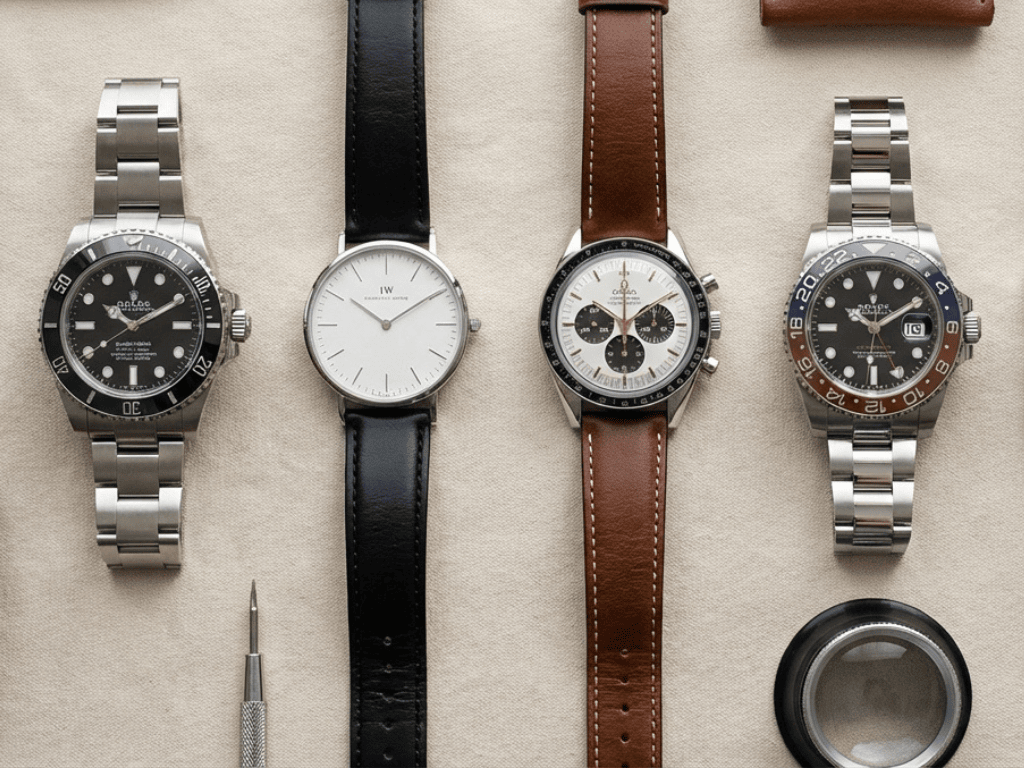

Choosing the perfect watch isn’t just about the dial or movement it’s also about the watch strap. The right strap can elevate your style, enhance comfort, and even extend the life of your timepiece. But with so many materials available leather, stainless steel, rubber, nylon, and more, how do you pick the best one for your wrist, lifestyle, and occasion?
In this ultimate watch strap guide, we’ll walk you through the most popular strap materials, their pros and cons, and how to match them to your daily needs, wardrobe, and watch size. Whether you own a Rolex, Audemars Piguet, Seiko, or Casio, this guide will help you make a confident, stylish choice.
Why Your Watch Strap Matters
Your strap impacts three key factors:
- Comfort – How it feels on your wrist all day.
- Durability – How well it holds up to sweat, water, sun, and wear.
- Style – How it complements your outfit and occasion.
Swapping straps is one of the easiest (and most affordable) ways to refresh your watch’s look without buying a new one.
Top Watch Strap Materials Compared
1. Leather Watch Straps
Best for: Business, formal events, vintage aesthetics
Popular types: Calfskin, alligator, ostrich, suede
Pros:
- Timeless, elegant look
- Comfortable once broken in
- Wide range of colors and finishes
Cons:
- Not water-resistant (can warp or crack)
- Shorter lifespan with daily wear
- Requires maintenance (conditioning, drying)
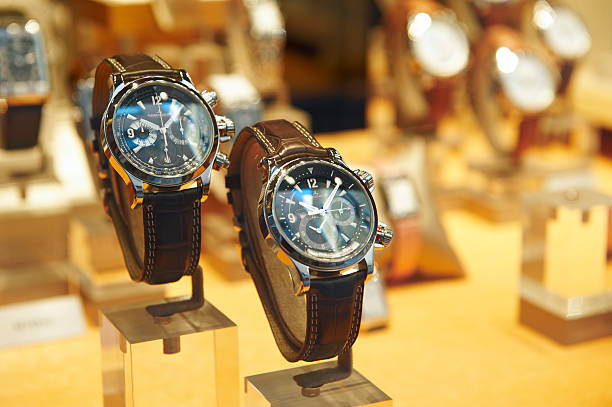
Fit Tip: Ideal for slimmer wrists and dress watches like Jaeger-LeCoultre or vintage Rolex Datejusts. Avoid during workouts or rainy days.
2. Stainless Steel Bracelets
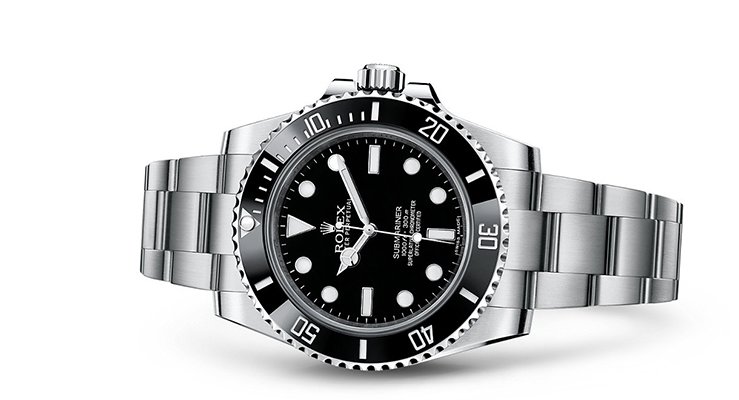
Best for: Daily wear, luxury sports watches, durability
Common on: Rolex Submariner, Omega Seamaster, Audemars Piguet Royal Oak
Pros:
- Extremely durable and scratch-resistant
- Water and sweat-proof
- Retains value; matches case material seamlessly
Cons:
- Heavier than other materials
- Can pull arm hair or feel cold in winter
- May require sizing by a jeweler
Fit Tip: Great for larger wrists and active lifestyles. Look for solid-link bracelets (not hollow) for premium feel and longevity.
3. Rubber & Silicone Straps
Best for: Diving, sports, summer, water activities
Common on: Dive watches, modern chronographs
Pros:
- Fully waterproof and hypoallergenic
- Lightweight and flexible
- Easy to clean (just rinse with water)
Cons:
- Can trap sweat and develop odor over time
- Less “premium” appearance (though high-end rubber exists)
- May degrade in UV light after years
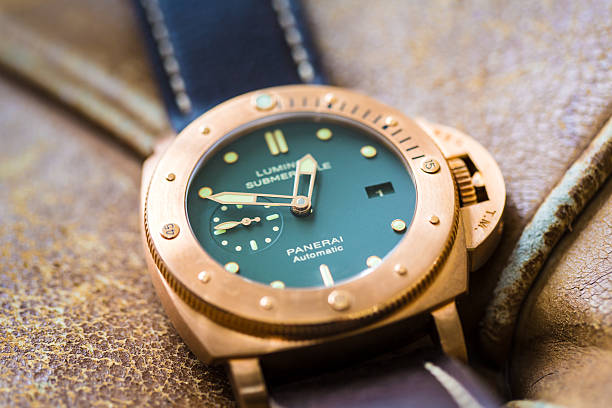
Fit Tip: Perfect for hot and cold climates or gym use. Brands like Panerai and Hublot offer high-grade rubber straps that look sleek and perform flawlessly.
4. NATO & Fabric Straps (Including Canvas & Perlon)
Best for: Casual wear, military style, travel
Origins: British Ministry of Defence (NATO = “NATO strap”)
Pros:
- Inexpensive and highly replaceable
- One-piece design = secure (won’t fall off if a spring bar fails)
- Breathable and lightweight
Cons:
- Can look too casual for formal settings
- Fabric may fray over time
- Slightly thicker under the case
Fit Tip: Works well on smaller wrists due to soft drape. Try Perlon (braided nylon) for adjustable, no-buckle summer wear.
5. Exotic & Sustainable Materials
- Vegan leather: Eco-friendly alternative (check quality—many are less durable)
- Recycled ocean plastic: Used by brands like Oris and Panerai
- Ceramic or carbon fiber: Ultra-modern, lightweight, and scratch-resistant (often integrated, not replaceable)
These are growing in popularity among eco-conscious collectors and tech-forward watchmakers.
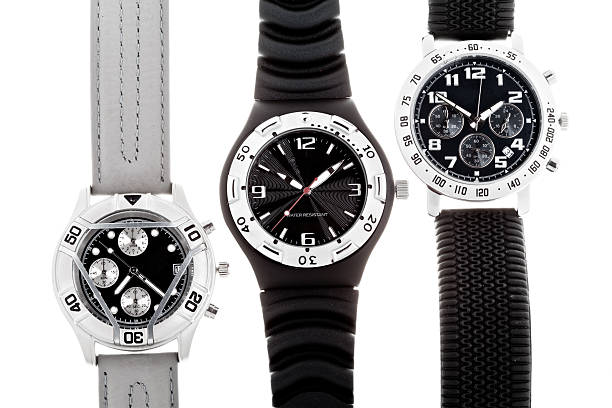
How to Choose the Right Strap for Your Wrist & Lifestyle
| Lifestyle | Recommended Strap Material |
|---|---|
| Office/Formal | Leather (alligator or calf) |
| Gym/Outdoor | Rubber, silicone, or NATO |
| Everyday Wear | Stainless steel or high-quality leather |
| Travel | NATO (secure + lightweight) |
| Luxury Sports Watch | OEM bracelet or high-grade rubber |
| Summer/Beach | Perlon, rubber, or mesh |
Wrist Size Considerations:
- Slim wrists (<6.5″): Opt for narrow straps (18–20mm), thin leather, or Perlon to avoid overwhelming your arm.
- Average wrists (6.5″–7.5″): Most standard straps (20–22mm) will fit well.
- Larger wrists (>7.5″): Go for 22mm+ and robust materials like steel or thick rubber for visual balance.
Quick Compatibility Tips
- Check your lug width (e.g., 20mm, 22mm)—measured between the watch horns.
- Spring bar type: Standard vs. screwed-in (common on dive watches).
- Quick-release straps make swapping easy—no tools needed.
- Curved end links? Ensure your strap matches the case contour (especially for AP or Cartier).
Final Thoughts: Your Strap, Your Style
Your watch strap is more than an accessory it’s a reflection of your personality and practicality. Don’t be afraid to experiment. Many collectors own multiple straps to rotate based on season, event, or mood.
“A great watch deserves a great strap—but the right strap makes it unforgettable.”
Leave a Comment