


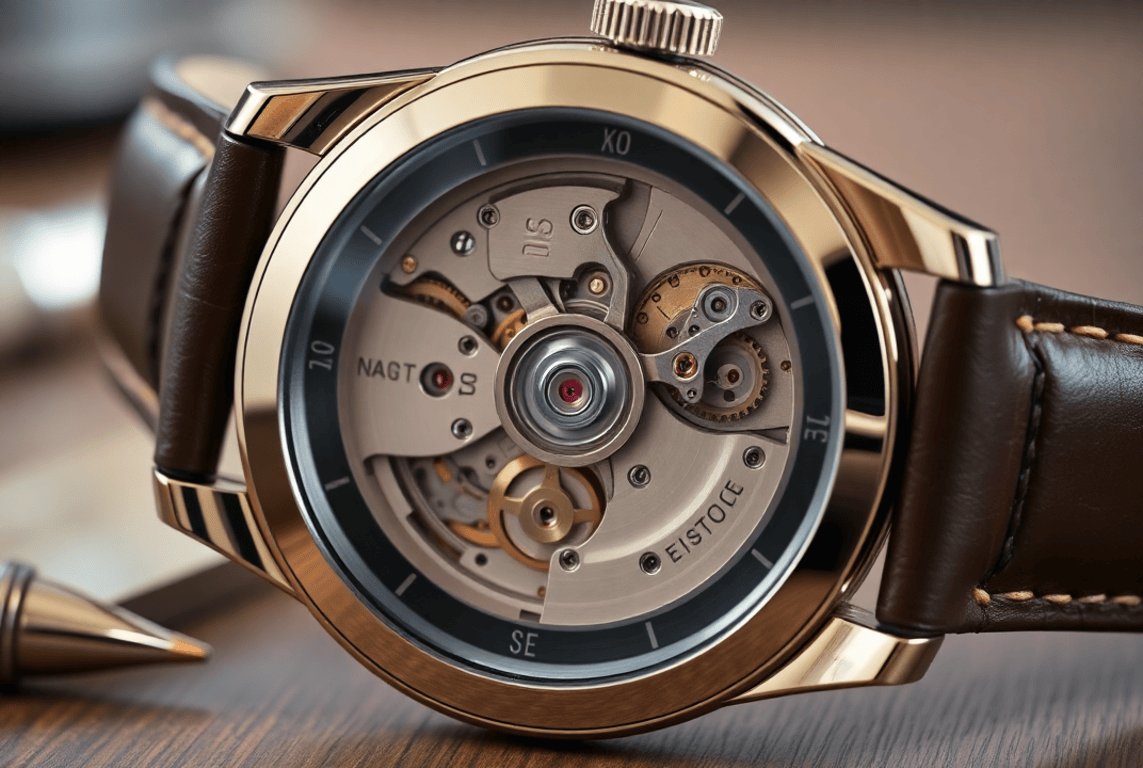

In the intricate world of horology, the micro-rotor movement stands out as a marvel of engineering elegance combining thinness, efficiency, and visual sophistication. Often found in high-end luxury timepieces, micro-rotor movements offer a compelling alternative to both manual-wind calibers and traditional automatic (full-rotor) systems. But what exactly is a micro-rotor, and why do watch enthusiasts and collectors hold it in such high regard?
What Is a Micro-Rotor Watch Movement?
A micro-rotor movement is a type of automatic (self-winding) mechanical movement that uses a small, oscillating weight (the rotor) integrated into the movement’s main plate—rather than the larger, central rotor found in conventional automatic watches.
In a standard automatic movement, a semi-circular metal weight (the rotor) sits on top of the movement and spins freely with the motion of the wearer’s wrist, winding the mainspring. This design, while effective, adds thickness to the watch.
In contrast, the micro-rotor is miniaturized and recessed into the movement’s architecture. Because it’s smaller and lies flat within the watch movement, it allows for a significantly slimmer profile, while still offering the convenience of automatic winding.
Key Characteristics:
- Integrated winding rotor: Unlike full rotors, micro-rotors are part of the movement’s layout.
- Thinner case profile: Enables ultra-slim automatic watches.
- Visible mechanics: Often allows for openworked or exhibition casebacks that showcase the movement’s artistry.
How Does a Micro-Rotor Movement Work?
The micro-rotor is usually made from high-density materials like gold or platinum to compensate for its smaller size. As the rotor spins with wrist motion, it transfers energy through a winding system to power the mainspring.
Despite being smaller, a well-designed micro-rotor can offer excellent winding efficiency, though it requires precise engineering to match the performance of larger rotors.

Benefits of Micro-Rotor Movements
1. Slimmer Watch Profiles
The most celebrated advantage of micro-rotor movements is their ability to reduce thickness without sacrificing automatic winding. This makes them ideal for dress watches, where elegance and discretion are paramount.
2. Architectural Clarity
Because the micro-rotor doesn’t obscure the entire movement, watchmakers can design visually balanced calibers with symmetrical bridges and exposed gears—enhancing both aesthetics and serviceability.
3. Efficient Winding (When Well-Engineered)
While early micro-rotors had limited winding efficiency due to reduced mass and swing radius, modern iterations often made from dense metals like platinum or gold deliver reliable power reserves comparable to full-rotor systems.
4. Prestige & Craftsmanship
Micro-rotor movements are more complex and costly to produce. Their presence often signals high horological ambition, making them a hallmark of luxury watch brands like Audemars Piguet, Patek Philippe, and Vacheron Constantin.
Best Micro-Rotor Watch Models
1. Audemars Piguet Royal Oak Selfwinding (e.g., Ref. 15500ST)
AP’s in-house Calibre 4302, used in modern Royal Oak models, features a 22k gold micro-rotor. It delivers a 70-hour power reserve and showcases exquisite finishing through a sapphire caseback. The integration of the micro-rotor maintains the Royal Oak’s iconic slim silhouette while offering robust automatic winding.
2. Patek Philippe Calatrava 6007G
Powered by the Calibre 324 S, this classic dress watch uses a micro-rotor crafted from 21k gold. It exemplifies Patek’s mastery of ultra-thin automatic movements with refined Geneva stripes and perlage decoration.
3. Piaget Altiplano Ultimate Automatic (Ref. 910.P1.0001)
At just 4.3 mm thick, this record-breaking timepiece houses the Calibre 910P, where the micro-rotor is integrated into the movement plate itself. Piaget’s innovation pushes the boundaries of micro-rotor engineering while maintaining true automatic functionality.
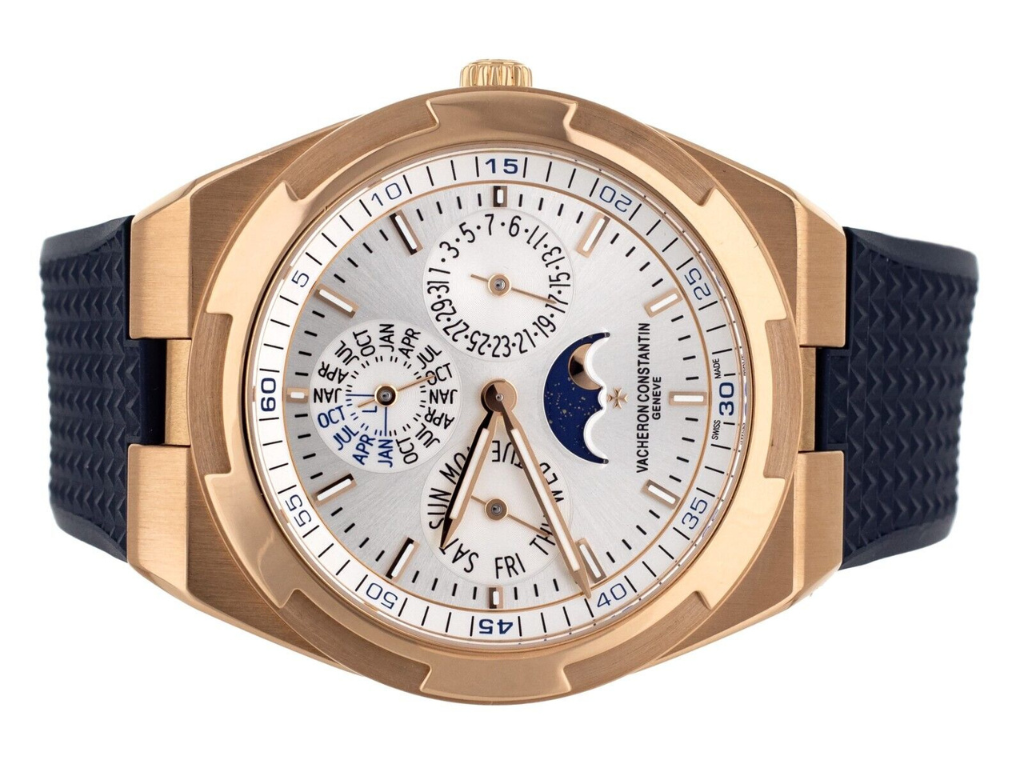
4. Vacheron Constantin Overseas Ultra-Thin (Ref. 4300V)
Equipped with the Calibre 1120—a legendary ultra-thin micro-rotor movement originally developed with Jaeger-LeCoultre—the Overseas version adds a sporty twist to this haute horlogerie caliber, complete with 22k gold rotor and 40-hour power reserve.
5. Chopard Alpine Eagle XL Chrono
While Chopard is more famous for its L.U.C line (which includes micro-rotor models like the L.U.C XPS), the Alpine Eagle XL Chrono uses the Chopard 03.05-C—a column-wheel chronograph with integrated micro-rotor, proving the mechanism’s versatility beyond dress watches.

Micro-Rotor vs. Other Movement Types
| Feature | Micro-Rotor | Full Rotor | Manual Wind |
|---|---|---|---|
| Thickness | Thin | Thicker | Thinnest |
| Winding Convenience | Automatic | Automatic | Manual |
| Movement Visibility | High | Low | High |
| Power Reserve Efficiency | Moderate–High | High | Depends on user |
| Complexity/Cost | High | Moderate | Low–Moderate |
Final Thoughts
The micro-rotor movement represents a perfect marriage of form and function: it preserves the allure of mechanical watchmaking while solving real-world design challenges. Though more expensive and technically demanding to produce, it offers a unique blend of slimness, visual appeal, and self-winding convenience—making it a favorite among connoisseurs who appreciate both engineering prowess and aesthetic restraint.
Whether you’re drawn to the understated grace of a Patek Calatrava or the bold architecture of an Audemars Piguet Royal Oak, a micro-rotor timepiece is more than a watch- it’s a testament to horological ingenuity.


Leave a Comment